
 irwan irwan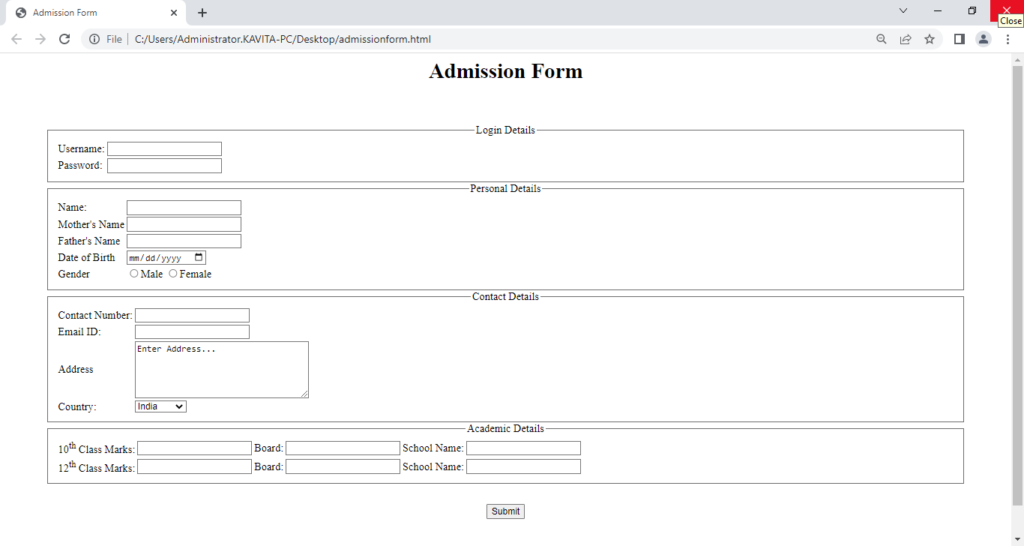
Beginning with How Student Admission Works: A Simple Guide for Beginners, the narrative unfolds in a compelling and distinctive manner, drawing readers into a story that promises to be both engaging and uniquely memorable.
Understanding the student admission process is crucial for beginners embarking on their educational journey. From application requirements to different admission decisions, this guide will provide a comprehensive overview to steer you through the complexities of admissions.
Overview of Student Admission Process
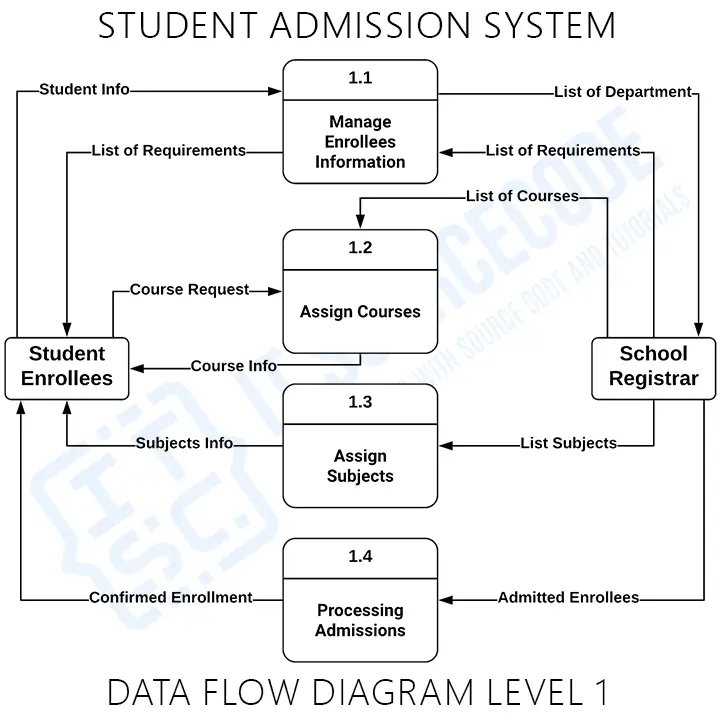
When it comes to the student admission process, there are several key steps that students need to follow in order to secure a spot at their desired educational institution. Let’s delve into the general overview of how student admission works.
Steps Involved in Student Admission
- Researching Institutions: Students begin by researching different educational institutions to find the one that best fits their academic and personal needs.
- Completing Applications: Once a student has selected the institutions they want to apply to, they need to complete and submit the necessary applications.
- Submitting Documents: Along with the applications, students are required to submit their academic transcripts, standardized test scores, letters of recommendation, and any other required documents.
- Interviews or Auditions: Some institutions may require students to participate in interviews or auditions as part of the admission process.
- Receiving Admission Decisions: After submitting all required materials, students will receive admission decisions from the institutions they applied to.
- Accepting an Offer: Once a student receives an admission offer, they need to accept it and often submit a deposit to secure their spot.
Key Stakeholders in the Admission Process
- Students: The primary stakeholders in the admission process are the students themselves, as they are the ones seeking admission to an educational institution.
- Admissions Officers: Admissions officers are responsible for reviewing applications, conducting interviews, and making admission decisions.
- Guidance Counselors: Guidance counselors play a crucial role in helping students navigate the admission process by providing guidance and support.
- Parents: Parents often play a supporting role in the admission process by providing emotional and financial support to their children.
Example Timeline of a Typical Admission Cycle
September
December
Research institutions and prepare application materials.
January
March
Submit applications and required documents.
April
May
Attend interviews or auditions (if required) and wait for admission decisions.
May
June
Receive admission decisions and accept an offer from the chosen institution.
Importance of Meeting Admission Deadlines
Meeting admission deadlines is crucial for ensuring that students’ applications are considered in a timely manner. Missing deadlines can result in applications not being reviewed or considered for admission, potentially impacting a student’s chances of securing a spot at their desired institution.
Application Requirements
When applying to colleges or universities, students are required to submit a variety of documents to complete their application packages. These documents play a crucial role in the admission process and provide admissions committees with the necessary information to evaluate each candidate thoroughly.
Common Documents Needed for Student Applications
- Transcripts: Official high school transcripts are typically required to showcase a student’s academic performance throughout their high school years.
- Letters of Recommendation: These letters, usually written by teachers or mentors, provide insight into a student’s character, work ethic, and potential for success in higher education.
- Personal Statement/Essay: A personal statement or essay allows students to share their unique experiences, goals, and aspirations with admissions committees.
- Standardized Test Scores: Tests like the SAT or ACT are often required to assess a student’s readiness for college-level coursework.
- Extracurricular Activities: Information about a student’s involvement in extracurricular activities, clubs, sports, or community service may also be requested.
Significance of Recommendation Letters in the Admission Process
Recommendation letters play a crucial role in the admission process as they provide a more holistic view of a student’s character, abilities, and potential. These letters offer insight into a student’s work ethic, leadership skills, and overall fit for the institution.
Role of Standardized Tests in Applications
Standardized tests like the SAT or ACT serve as a benchmark to assess a student’s academic abilities and readiness for college-level coursework. While not the sole determinant of admission, these test scores provide admissions committees with a standardized measure for comparing candidates.
Tips on How to Prepare a Strong Application Package
- Start Early: Begin gathering required documents and working on your personal statement well in advance of application deadlines.
- Showcase Your Strengths: Highlight your achievements, strengths, and unique qualities in your personal statement and letters of recommendation.
- Proofread Carefully: Ensure that all documents, including your personal statement and resume, are free of errors and reflect your best work.
- Seek Guidance: Don’t hesitate to seek guidance from teachers, counselors, or mentors when preparing your application materials.
- Stay Organized: Keep track of deadlines, requirements, and submission guidelines to ensure that you submit a complete and on-time application package.
Types of Admission Decisions
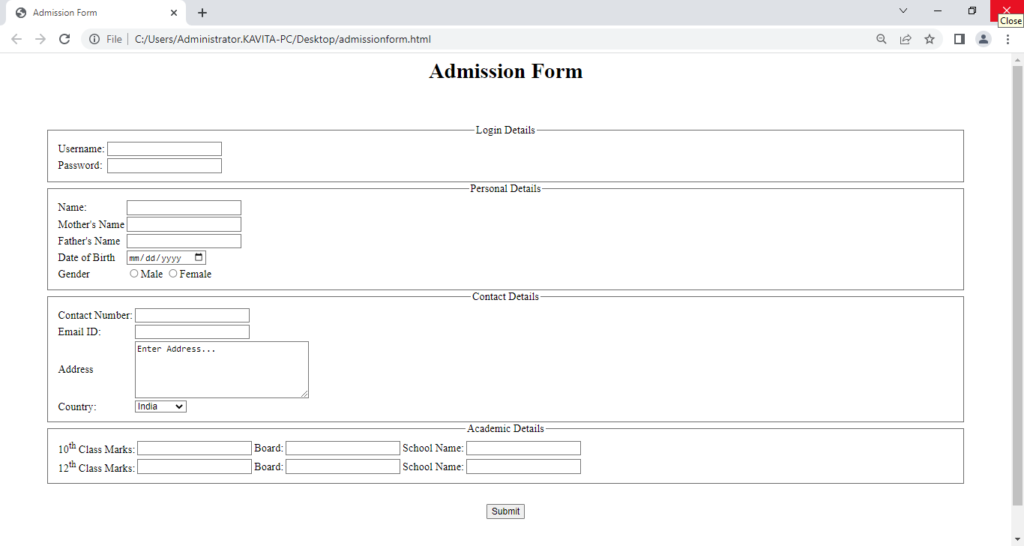
When it comes to student admission, there are different types of decisions that schools may offer prospective students. Understanding the differences between early decision, early action, and regular decision admissions can help students navigate the application process more effectively.
Early Decision Admission, How Student Admission Works: A Simple Guide for Beginners
Early decision admission is a binding process where students apply to a single school early in the application cycle and commit to attending if accepted. This decision is typically made by November 1st and students must withdraw all other applications if accepted.
- Pros: Higher acceptance rates for early decision applicants, demonstrates strong interest in the school.
- Cons: Limited options, binding commitment, financial aid package may not be negotiable.
Early Action Admission
Early action admission allows students to apply to multiple schools early in the application cycle and receive a decision by December 15th without a binding commitment. Students have until May 1st to decide on attending.
- Pros: Early notification, non-binding, more time to compare financial aid offers.
- Cons: No advantage in acceptance rates, may still need to apply to other schools.
Regular Decision Admission
Regular decision admission is the most common type where students apply by a later deadline and receive a decision by April 1st. This decision is non-binding and students have until May 1st to make their final decision.
- Pros: More time to prepare applications, compare offers, and decide on attending.
- Cons: Lower acceptance rates due to larger applicant pool, longer waiting period for decision.
It’s important for students to carefully consider the pros and cons of each type of admission decision before submitting their applications.
Financial Aid and Scholarships: How Student Admission Works: A Simple Guide For Beginners

Securing financial aid and scholarships can significantly help students cover the costs of their education. Understanding the process and different options available is crucial for students seeking financial assistance.
Applying for Financial Aid
When it comes to applying for financial aid, the Free Application for Federal Student Aid (FAFSA) is a key form that students need to complete. FAFSA helps determine eligibility for federal grants, loans, and work-study programs. Additionally, some colleges and universities may also require the College Scholarship Service (CSS) Profile for a more comprehensive view of a student’s financial situation.
- Fill out the FAFSA form accurately and on time to maximize aid opportunities.
- Provide all necessary documentation and information to support your application.
- Stay informed about deadlines and requirements to avoid missing out on potential aid.
Types of Scholarships
Scholarships come in various forms and can be awarded based on academic achievements, extracurricular involvement, financial need, or specific talents. Common types of scholarships include merit-based scholarships, need-based scholarships, athletic scholarships, and minority scholarships.
- Merit-based scholarships are awarded to students with exceptional academic or extracurricular achievements.
- Need-based scholarships are awarded to students based on their financial need as determined by FAFSA or other financial aid applications.
- Athletic scholarships are awarded to student-athletes who demonstrate exceptional skills in a particular sport.
- Minority scholarships are designed to support students from underrepresented backgrounds and communities.
Tips for Securing Financial Aid and Scholarships
To increase your chances of receiving financial aid or scholarships, consider the following tips:
- Start the application process early to meet all deadlines and requirements.
- Research and apply for a wide range of scholarships to maximize your opportunities for financial assistance.
- Highlight your achievements, talents, and unique qualities in scholarship applications to stand out to selection committees.
- Seek guidance from school counselors, financial aid offices, and online resources to navigate the application process effectively.
Final Wrap-Up
In conclusion, navigating the student admission process can seem daunting at first, but armed with the knowledge from this guide, beginners can confidently tackle each step with ease. Remember, preparation and understanding the intricacies of admissions are key to a successful application process.
Question & Answer Hub
What role do recommendation letters play in the admission process?
Recommendation letters provide insight into a student’s character, achievements, and potential, giving admissions committees a holistic view of the applicant beyond their academic records.
How can students increase their chances of receiving financial aid or scholarships?
Students can improve their chances by submitting a complete and accurate FAFSA or CSS Profile, researching and applying for various scholarships, and maintaining a strong academic and extracurricular record.
