
 Jackson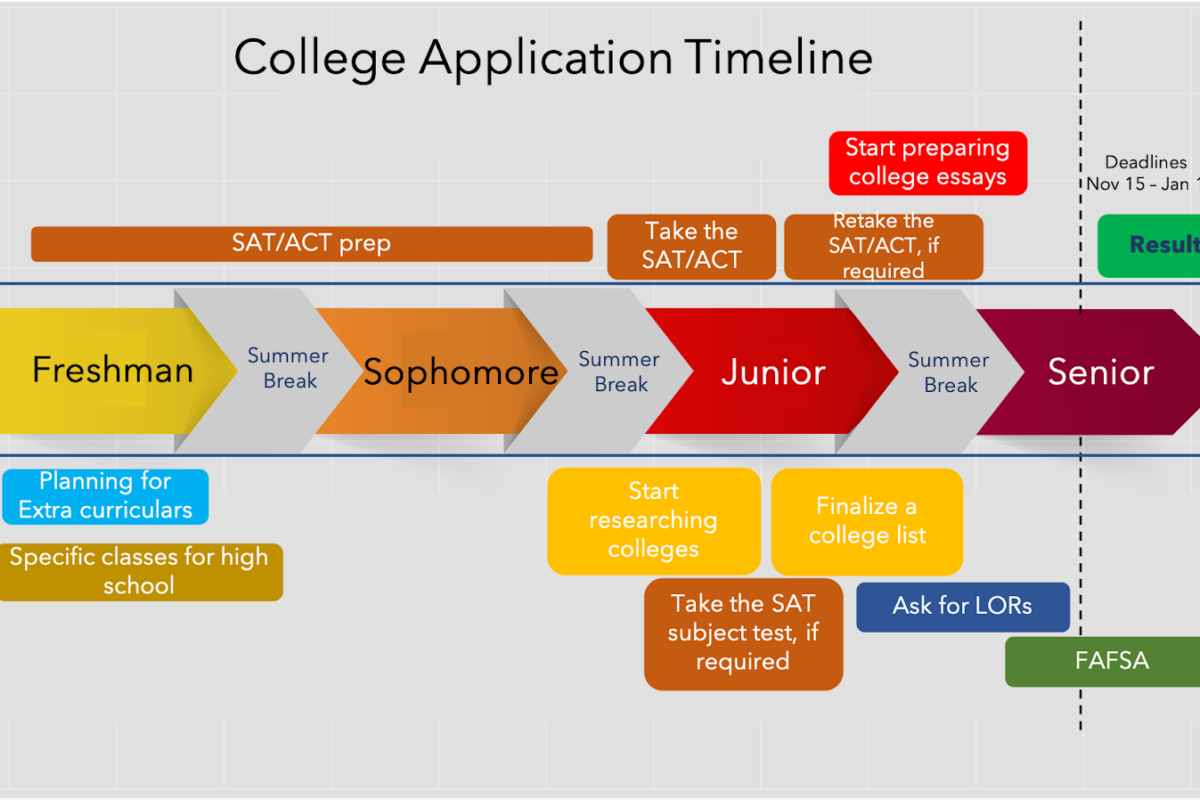
Student Admission Planning: What to Do Before Applying sets the stage for a journey of preparation and foresight, guiding individuals through the intricate process of college admission with finesse and knowledge.
Explore the key steps and considerations to ensure a smooth and successful application process.
Understanding Admission Requirements
Before applying to colleges or universities, it is crucial to have a clear understanding of the admission requirements. This knowledge can greatly impact your application process and increase your chances of being accepted.
Common Admission Requirements
- High school transcripts: Most institutions require official transcripts to evaluate your academic performance.
- Standardized test scores: SAT or ACT scores are often necessary for admission consideration.
- Letters of recommendation: These letters from teachers or mentors can provide insight into your character and abilities.
- Personal statement or essay: A well-written essay can showcase your personality and goals to the admissions committee.
- Extracurricular activities: Involvement in sports, clubs, or community service can demonstrate your well-roundedness.
Impact on Application Process
Meeting admission requirements is essential as it determines whether your application will be considered by the institution. Failure to meet these requirements can result in rejection, regardless of your academic achievements. Therefore, it is crucial to carefully review and fulfill all necessary criteria before submitting your application.
Researching Potential Schools: Student Admission Planning: What To Do Before Applying
Researching potential schools before applying is crucial to finding the right fit for your academic and personal goals. It allows you to make an informed decision and increases your chances of success in the application process.
Key Factors to Consider
- Academic programs and majors offered: Ensure the school provides the programs you are interested in pursuing.
- Location and campus environment: Consider whether you prefer an urban or rural setting, as well as the campus facilities available.
- Reputation and rankings: Look into the school’s reputation, rankings, and alumni success to gauge its quality and standing in the academic world.
- Cost and financial aid: Evaluate the tuition fees, available scholarships, and financial aid options to determine affordability.
- Cultural fit: Reflect on the school’s values, diversity, and community to see if it aligns with your own beliefs and interests.
Benefits of Visiting Campuses or Attending Virtual Tours
Visiting campuses or attending virtual tours offers a firsthand experience of the school environment and helps you envision yourself as a student there. It allows you to interact with current students, faculty, and staff, giving you a sense of the campus culture and atmosphere.
Additionally, touring the campus enables you to explore the facilities, classrooms, residence halls, and extracurricular opportunities available, which can greatly influence your decision-making process. By physically or virtually immersing yourself in the school’s environment, you can better assess whether it meets your preferences and requirements for a fulfilling college experience.
Building a Strong Application Profile

Building a strong application profile is crucial when applying to colleges or universities. It helps showcase your abilities, interests, and potential to the admissions committee. Here are some key components and tips to consider:
Academic Profile
- Maintain a strong GPA: Focus on your grades throughout high school to demonstrate your academic capabilities.
- Take challenging courses: Enroll in advanced placement (AP) or honors classes to show your willingness to push yourself academically.
- Standardized test scores: Prepare and excel in exams like the SAT or ACT to complement your academic profile.
Extracurricular Activities, Student Admission Planning: What to Do Before Applying
- Join clubs and organizations: Participate in extracurricular activities that align with your interests and showcase your leadership skills.
- Volunteer work: Engage in community service to demonstrate your commitment to making a positive impact outside of academics.
- Sports and hobbies: Highlight any sports or hobbies that you are passionate about, as they can add depth to your profile.
Letters of Recommendation and Personal Statements
- Choose recommenders wisely: Ask teachers or mentors who know you well and can speak to your strengths and character.
- Personalize your personal statement: Share unique experiences, goals, and aspirations that set you apart from other applicants.
- Showcase your growth: Reflect on challenges you’ve overcome and how they have shaped you into the person you are today.
Financial Planning for College
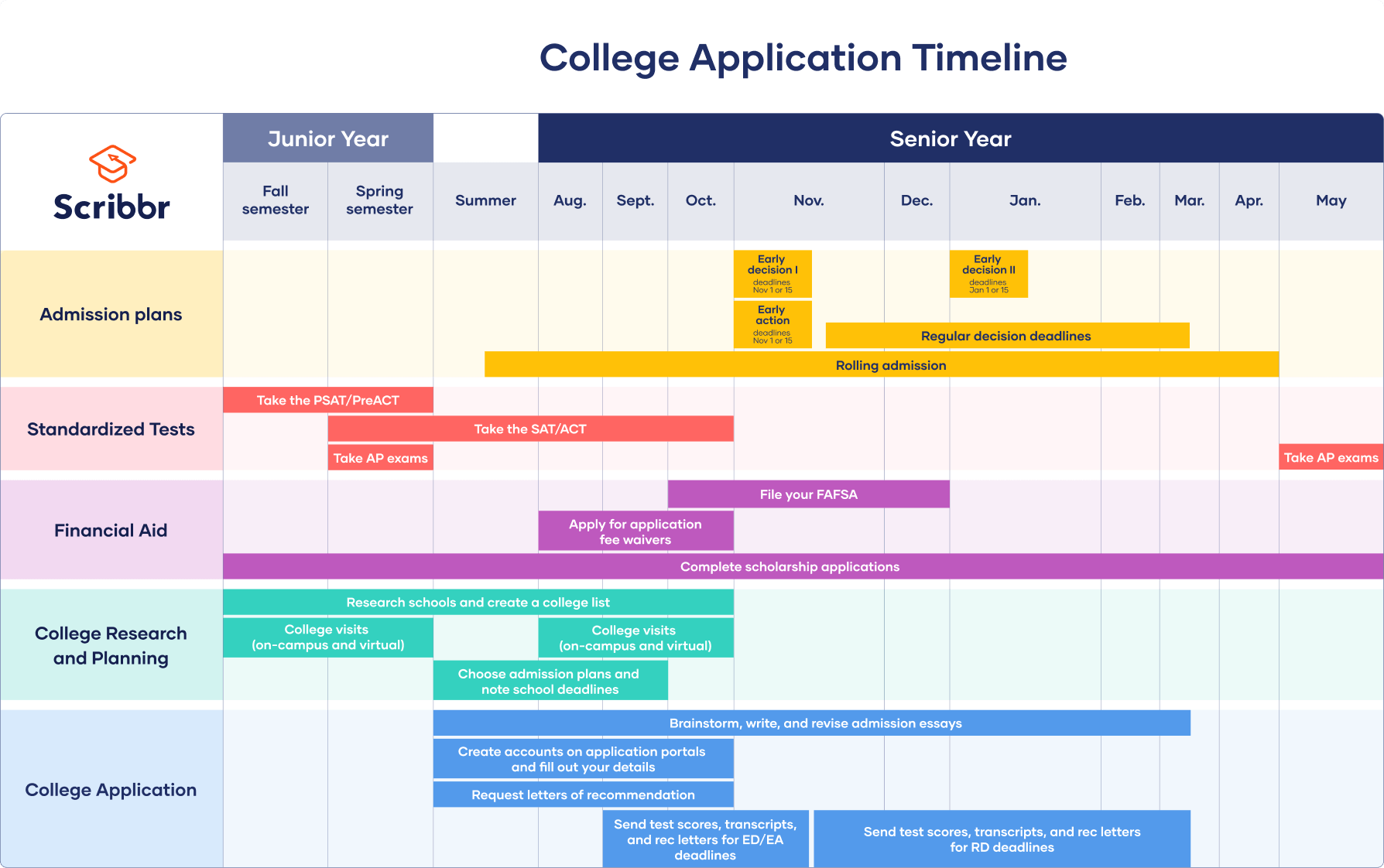
Before applying to colleges, it is crucial to have a solid financial plan in place to ensure that you can afford the cost of attendance. Financial planning helps you make informed decisions about which schools to apply to and how to fund your education.
Sources of Financial Aid
- Scholarships: Merit-based or need-based financial assistance that does not need to be repaid.
- Grants: Financial aid provided by the government or institutions based on financial need.
- Loans: Borrowed money that must be repaid with interest after graduation.
- Work-Study Programs: Part-time employment opportunities on campus to help cover educational expenses.
Understanding Cost of Attendance and Budget Planning
It is essential to understand the total cost of attendance, including tuition, fees, room and board, books, and other expenses. Creating a budget plan can help you manage your finances effectively throughout your college years.
Knowing the cost of attendance can help you determine how much financial aid you need to cover your expenses.
Last Recap
Embrace the proactive approach Artikeld in Student Admission Planning: What to Do Before Applying to pave the way for a fulfilling academic future. Take charge of your admission journey now.
FAQ Corner
What are some common admission requirements for colleges or universities?
Common admission requirements may include standardized test scores, high school transcripts, letters of recommendation, and personal statements.
How can students enhance their academic and extracurricular profiles?
Students can enhance their profiles by taking challenging courses, participating in extracurricular activities, volunteering, and pursuing leadership roles.
What financial aid options are available to students?
Financial aid options may include scholarships, grants, work-study programs, and student loans.