
 Jackson
Kicking off with Student Admission Process for New Students Explained, this guide dives into the steps, requirements, exams, interviews, selection criteria, and acceptance process, providing a detailed overview for new students navigating the admission journey.
Overview of Student Admission Process
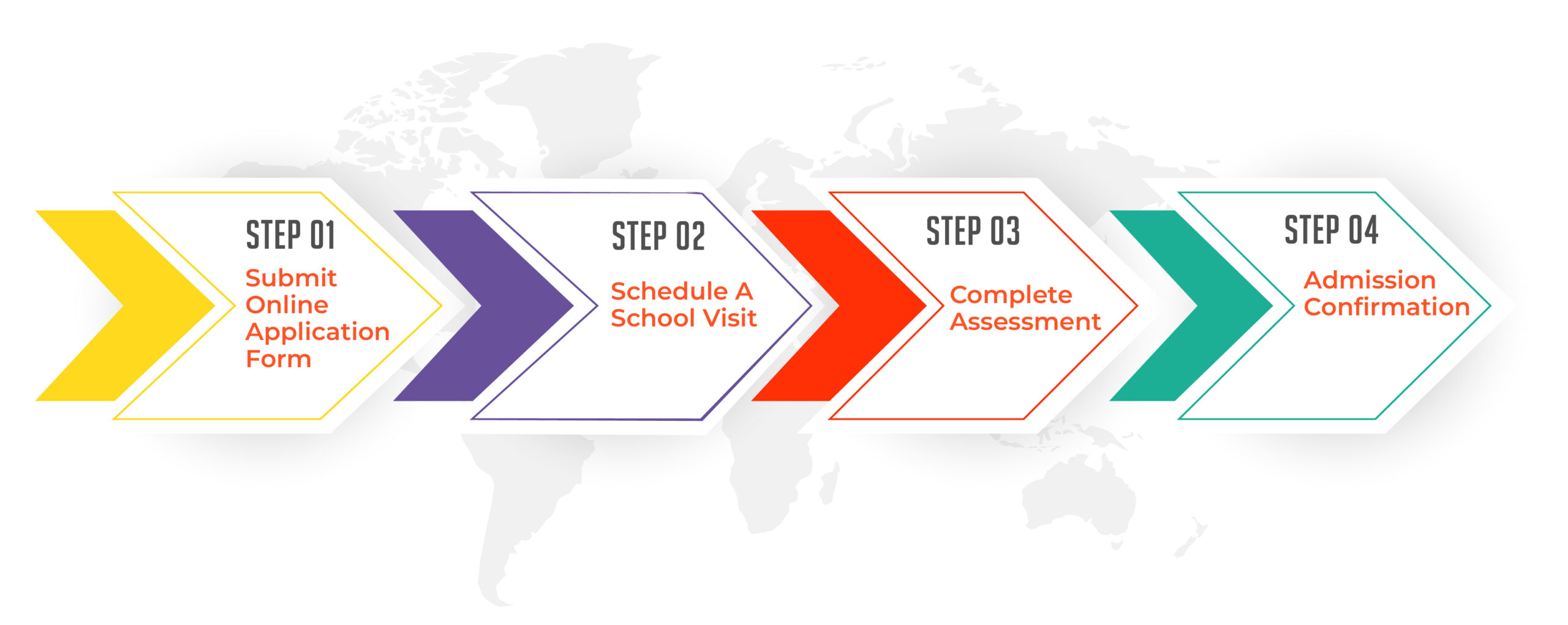
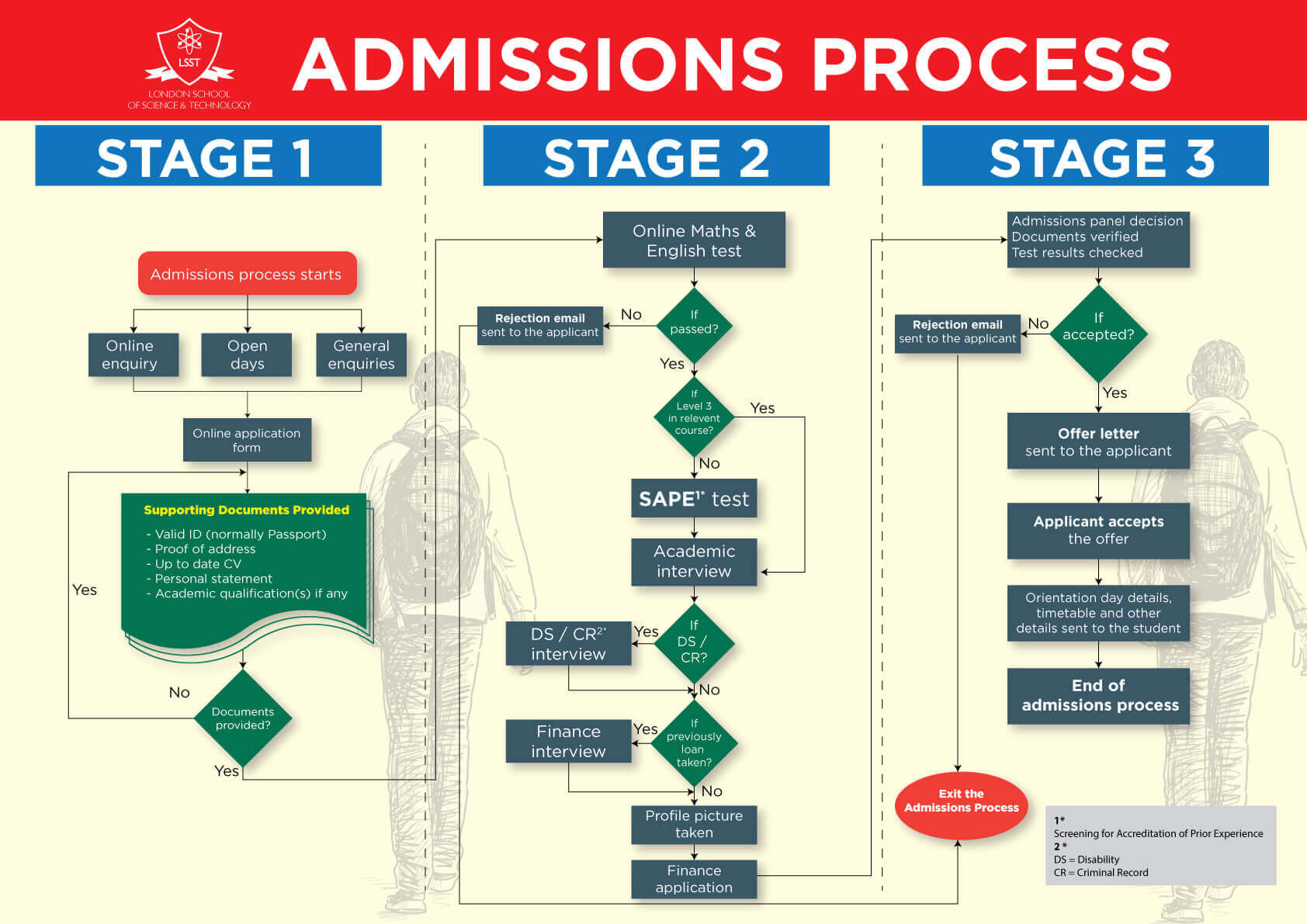
The student admission process for new students involves several key steps, stakeholders, and timelines to ensure a smooth transition into the educational institution.
General Steps in the Student Admission Process:, Student Admission Process for New Students Explained
- Submission of Application: Prospective students submit their applications, including academic records, personal statements, and letters of recommendation.
- Evaluation: Admissions committees review the applications to assess the qualifications and fit of each student with the institution.
- Interviews: Some institutions may require interviews to further evaluate candidates.
- Acceptance: Students receive acceptance letters or emails indicating their admission to the institution.
- Enrollment: Accepted students confirm their enrollment by paying fees and submitting necessary documents.
- Orientation: New students attend orientation sessions to familiarize themselves with the institution and its policies.
Key Stakeholders and Their Roles:
- Prospective Students: Applicants who provide necessary documents and information for consideration.
- Admissions Committees: Faculty and staff responsible for evaluating applications and making admission decisions.
- Admissions Officers: Staff members who facilitate the admission process and communicate with prospective students.
- Faculty Advisors: Academic advisors who may guide students in course selection and academic planning.
Timeline of the Admission Period:
- Application Deadline: Prospective students are required to submit their applications by a specified date.
- Review Period: Admissions committees review applications and make decisions within a set timeframe.
- Notification: Accepted students are notified of their admission status shortly after the review period.
- Enrollment Deadline: Accepted students must confirm their enrollment by a designated deadline.
- Orientation Sessions: Orientation events typically take place before the start of the academic term.
Application Requirements
When applying for admission to a new educational institution, there are certain documents and information that are typically required to complete the application process. These requirements play a crucial role in evaluating the qualifications of prospective students and ensuring that they meet the necessary criteria for admission.
Undergraduate Application Requirements
- High School Transcript: A copy of the applicant’s high school transcript is usually required to assess their academic performance and eligibility for undergraduate studies.
- Standardized Test Scores: Many undergraduate programs require applicants to submit standardized test scores such as the SAT or ACT to gauge their readiness for college-level coursework.
- Letters of Recommendation: Letters of recommendation from teachers or mentors can provide valuable insights into the applicant’s character, work ethic, and potential for success in higher education.
- Personal Statement: A personal statement or essay allows applicants to showcase their unique qualities, experiences, and aspirations, helping admissions committees get a better sense of who they are beyond their academic records.
Graduate Application Requirements
- Undergraduate Transcript: Graduate programs typically require applicants to submit transcripts from their previous undergraduate studies to evaluate their academic background and preparedness for advanced coursework.
- Graduate Record Examination (GRE) or Graduate Management Admission Test (GMAT) Scores: Depending on the program, applicants may need to take standardized tests like the GRE or GMAT to demonstrate their aptitude for graduate-level studies.
- Letters of Recommendation: Similar to undergraduate applications, graduate programs often require letters of recommendation to provide insights into the applicant’s academic abilities, research potential, and professional accomplishments.
- Statement of Purpose: A statement of purpose Artikels the applicant’s academic interests, career goals, and reasons for pursuing a specific graduate program, helping admissions committees assess their fit for the program.
Entrance Exams and Tests
Entrance exams play a crucial role in the student admission process as they help educational institutions assess the academic readiness and potential of prospective students. These exams are designed to evaluate the knowledge, skills, and abilities of applicants to determine their suitability for the programs they are applying for.
Popular Entrance Exams
- ACT (American College Testing): Widely used in the United States, the ACT assesses students’ proficiency in English, Math, Reading, and Science, along with an optional Writing section.
- SAT (Scholastic Assessment Test): Another common exam in the U.S., the SAT measures students’ critical thinking skills in Reading, Writing, and Math.
- IELTS (International English Language Testing System): Required for non-native English speakers applying to English-speaking universities, IELTS evaluates English language proficiency in Listening, Reading, Writing, and Speaking.
- GRE (Graduate Record Examination): Typically needed for graduate programs, the GRE tests Verbal Reasoning, Quantitative Reasoning, and Analytical Writing skills.
Tips for Entrance Exam Preparation
- Start Early: Begin studying well in advance to avoid last-minute cramming.
- Understand the Format: Familiarize yourself with the exam structure, question types, and time limits.
- Practice Regularly: Take practice tests to improve time management and identify weak areas.
- Seek Guidance: Consider joining preparatory classes or using study materials to enhance your knowledge.
- Stay Calm: Manage stress by maintaining a healthy lifestyle, getting enough rest, and staying positive.
Interview Process
As part of the student admission process, interviews play a crucial role in assessing the potential of candidates beyond their academic achievements and test scores. Interviews provide a more personal and interactive way to evaluate a student’s character, communication skills, and overall fit for the institution.
Common Interview Questions
- Can you tell us about yourself and why you are interested in our institution?
- How do you handle challenging situations or conflicts?
- What are your academic and career goals?
- How do you contribute to a diverse and inclusive community?
- Discuss a book, project, or experience that has had a significant impact on you.
Importance of Interviews
Interviews allow admissions officers to gain a more holistic view of the applicant, beyond what can be captured on paper. They provide insight into a student’s personality, values, and potential for success in the academic environment. Additionally, interviews help assess communication skills, problem-solving abilities, and overall readiness for the challenges of higher education.
Selection Criteria

In the student admission process, institutions use specific criteria to select students for admission. These criteria help determine the suitability of a candidate for a particular program or course.
Different Programs or Courses
- For undergraduate programs, institutions may consider high school grades, standardized test scores (such as SAT or ACT), extracurricular activities, letters of recommendation, and personal statements.
- For graduate programs, criteria may include undergraduate GPA, GRE or GMAT scores, work experience, research experience, letters of recommendation, and a statement of purpose.
- Professional programs like medical school or law school may have additional requirements such as specific prerequisite courses, clinical experience, and interviews.
Weightage Given to Various Factors
- High school or undergraduate grades are often given significant weight in the selection process as they reflect a candidate’s academic performance.
- Standardized test scores are used to assess a candidate’s aptitude and readiness for the academic rigor of the program.
- Extracurricular activities demonstrate a candidate’s involvement in school or community and their leadership skills.
- Letters of recommendation provide insights into a candidate’s character, work ethic, and potential for success in the program.
- Personal statements allow candidates to showcase their motivations, goals, and unique qualities that make them suitable for the program.
Acceptance and Enrollment
Upon receiving an admission offer, the next crucial steps for students are to formally accept the offer and complete the enrollment process. This marks the beginning of their journey at the institution.
Acceptance Process
- Deadline for Acceptance: Students are typically given a deadline by which they must confirm their acceptance of the admission offer. It is important to adhere to this deadline to secure a spot.
- Acceptance Requirements: Students may need to submit a formal acceptance letter or form to the admissions office. This document serves as a confirmation of their decision to enroll.
- Confirmation Deposit: In some cases, students may be required to submit a confirmation deposit along with their acceptance. This deposit is often credited towards their tuition fees.
Enrollment Process
- Enrollment Forms: Once acceptance is confirmed, students will receive enrollment forms that need to be completed accurately and submitted within the specified deadline.
- Documentation: Students are typically required to provide various documents such as academic transcripts, identification proof, and any other information requested by the institution.
- Orientation: Some institutions may also conduct orientation sessions for new students to familiarize them with campus facilities, resources, and academic expectations.
Conclusion: Student Admission Process For New Students Explained
In conclusion, understanding the Student Admission Process for New Students is crucial for a smooth transition into educational institutions. By following the Artikeld steps and requirements, new students can confidently navigate the admission process and embark on their academic journey.
Q&A
What documents are required for the application?
The application typically requires transcripts, recommendation letters, personal statements, and standardized test scores.
How important are entrance exams in the admission process?
Entrance exams play a significant role in assessing the academic readiness of students and determining their eligibility for admission.
What is the acceptance and enrollment process like for new students?
Accepted students must adhere to deadlines, submit required documents, and complete enrollment forms to secure their spot at the institution.