
 Jackson
Beginning with Student Admission Process: From Registration to Enrollment, the narrative unfolds in a compelling and distinctive manner, drawing readers into a story that promises to be both engaging and uniquely memorable.
Navigating the journey from student registration to enrollment involves various stages, stakeholders, and challenges that shape the path to higher education. Let’s delve into the intricacies of this crucial process.
Overview of Student Admission Process
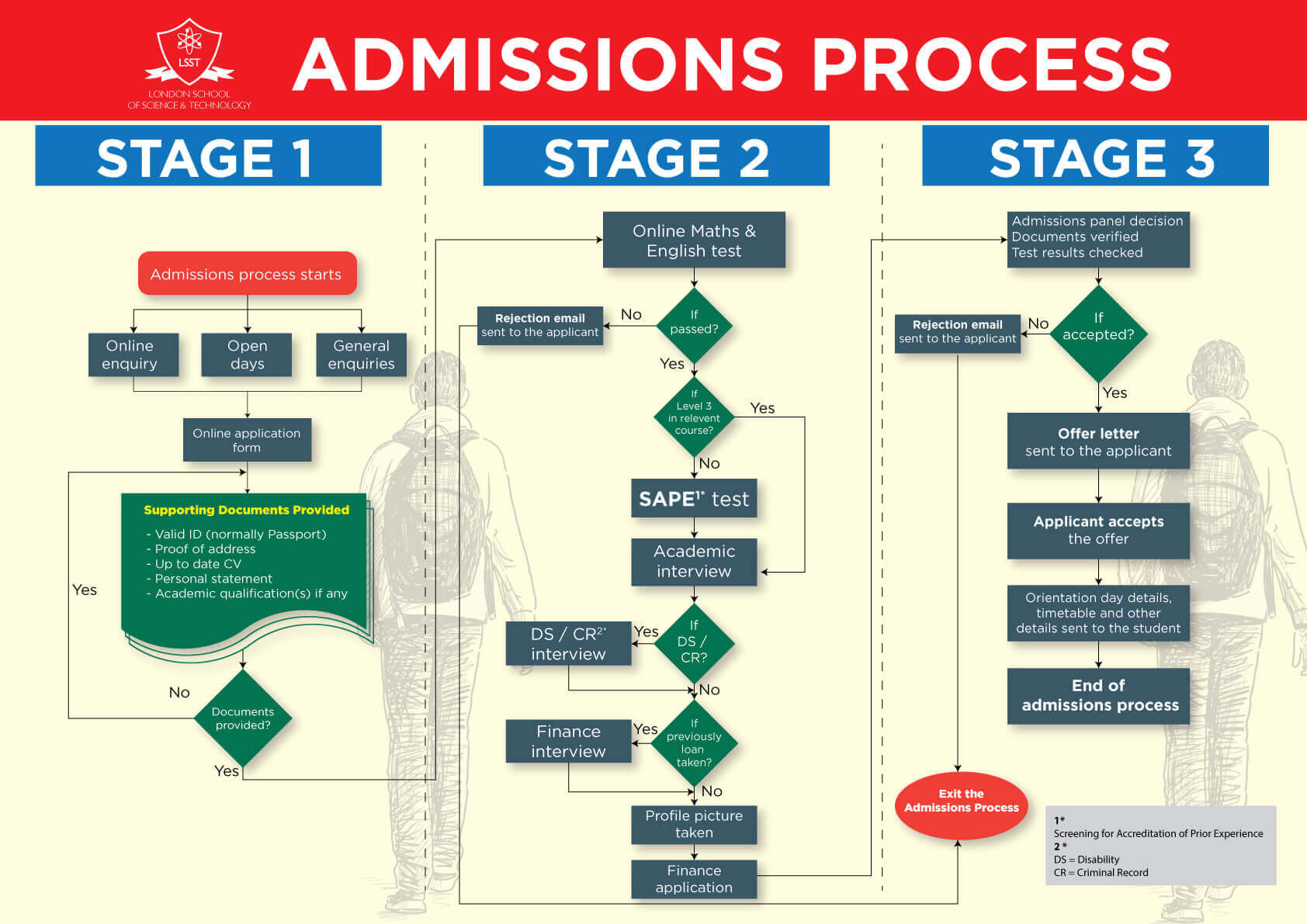
In the student admission process, there are several stages that students must go through from registration to enrollment. This process is crucial as it determines which students will be accepted into the institution and sets the foundation for their academic journey.
A seamless admission process is essential to ensure that students have a positive experience and are able to start their education without any unnecessary delays.
Stages of the Admission Process
- Registration: Students fill out application forms and provide necessary documents.
- Evaluation: Admissions officers review applications, transcripts, and test scores.
- Interview: Some institutions require interviews to assess the student’s fit for the program.
- Acceptance: Students receive an acceptance letter or email if they meet the criteria.
- Enrollment: Once accepted, students complete enrollment forms and pay any required fees.
Importance of a Seamless Admission Process
A seamless admission process is crucial for attracting and retaining students. It ensures that students have a positive first impression of the institution and are more likely to enroll. A complicated or lengthy admission process can deter students from applying or cause them to choose a different institution.
Key Stakeholders in the Process
- Students: The main participants who are seeking admission to the institution.
- Admissions Officers: Responsible for evaluating applications and making admissions decisions.
- Faculty: May be involved in the interview process or assessing students’ fit for the program.
- Administrative Staff: Handle enrollment processes and communicate with accepted students.
Common Challenges During Admission
- Missing Documents: Students may forget to submit required documents, delaying their application.
- Technical Issues: Online application portals or payment systems may experience glitches, causing frustration for applicants.
- Communication Delays: Slow responses from admissions offices can lead to uncertainty for students.
- Competitive Admissions: Limited spots in popular programs can make the admission process more challenging for students.
Registration Process: Student Admission Process: From Registration To Enrollment
Student registration is a crucial step in the admission process, as it allows universities to gather necessary information about potential students. Whether done online or in-person, registration sets the foundation for a student’s academic journey.
Steps Involved in Student Registration, Student Admission Process: From Registration to Enrollment
- Provide personal information such as name, date of birth, address, and contact details.
- Select the program or course of study the student is interested in pursuing.
- Submit educational background details, including transcripts and certificates.
- Pay any registration fees that may be required by the university.
Online Registration vs. In-Person Registration
Online registration offers convenience and flexibility, allowing students to complete the process from anywhere with an internet connection. In-person registration, on the other hand, may provide a more personalized experience and the opportunity to ask questions directly to university staff.
Verification of Student Information
- Universities verify student information by cross-referencing the details provided during registration with official documents such as transcripts and identification cards.
- Some universities may conduct interviews or additional tests to validate the student’s qualifications.
Prerequisites for Registration
- Proof of identification, such as a government-issued ID or passport.
- Educational transcripts or certificates to demonstrate academic qualifications.
- Payment of any required registration fees.
Application Review
When it comes to the application review process for student admissions, institutions carefully assess each applicant to ensure they meet the necessary criteria for acceptance. This stage plays a crucial role in determining which candidates will move forward in the selection process.
Criteria for Selection
- Academic performance: Institutions often look at the applicant’s academic records, including grades, test scores, and any relevant certifications or achievements.
- Extracurricular activities: In addition to academic achievements, involvement in extracurricular activities such as sports, clubs, or community service can also be considered.
- Personal statement: Applicants may be required to submit a personal statement detailing their goals, aspirations, and reasons for choosing the institution.
- Letters of recommendation: Letters from teachers, mentors, or employers can provide insights into the applicant’s character, work ethic, and potential for success.
Role of Interviews or Tests
- Interviews: Some institutions may conduct interviews to further assess the applicant’s suitability for the program. This allows the admissions committee to evaluate the candidate’s communication skills, motivations, and overall fit for the institution.
- Tests: Depending on the program or institution, applicants may be required to take standardized tests or subject-specific exams to demonstrate their knowledge and skills in a particular area.
Documents Required
- Transcripts: Official transcripts from previous educational institutions are typically required to verify academic records.
- Recommendation letters: Letters from teachers, mentors, or employers can provide valuable insights into the applicant’s character and abilities.
- Resume/CV: A detailed resume or curriculum vitae outlining the applicant’s academic background, work experience, and extracurricular activities may be necessary.
- Personal statement: A well-crafted personal statement can help applicants showcase their motivations, aspirations, and unique qualities to the admissions committee.
Admission Decision
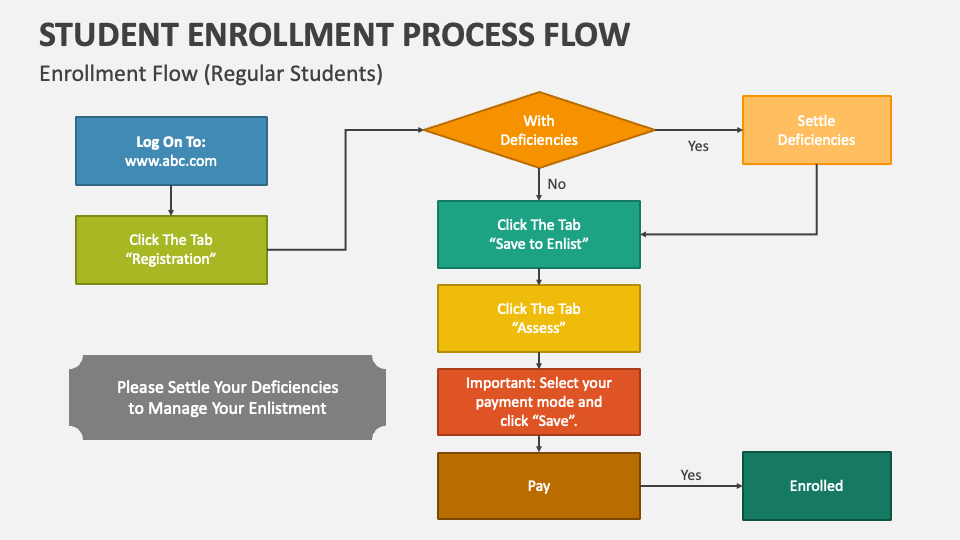
After the completion of the application review process, universities communicate their admission decisions to students. This pivotal moment determines whether a student will be accepted, rejected, or placed on a waitlist for further consideration.
Types of Responses
- Acceptance: Students who receive an acceptance letter have been offered a spot in the university’s upcoming academic term.
- Rejection: Unfortunately, some students may receive a rejection letter indicating that their application was not successful.
- Waitlist: Being placed on a waitlist means that a student’s application is still under consideration, and they may be offered admission if spots become available.
Timeline for Response
Once students receive an admission offer, they are typically given a specific timeline to respond. This timeframe is crucial to secure their spot in the incoming class and allows the university to plan accordingly.
Conditional Admission Requirements
Conditional admission may be granted to students who meet certain criteria but still need to fulfill additional requirements before enrolling. Examples of conditional admission requirements include completing specific courses, achieving a minimum GPA, or submitting updated test scores.
Enrollment Process
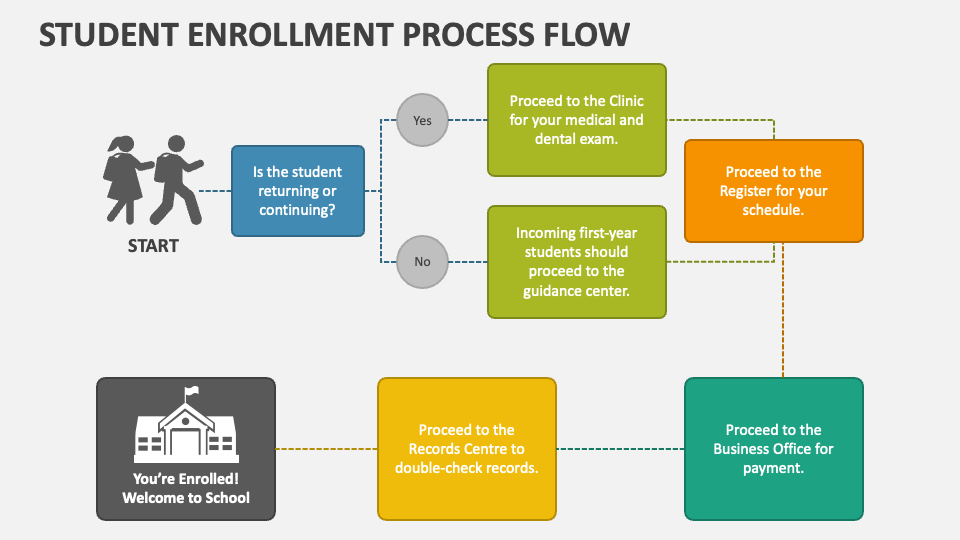
Upon receiving an admission offer, the next crucial step for students is the enrollment process. This process solidifies their spot in the incoming class and ensures they are ready to begin their academic journey at the institution.
Steps in the Enrollment Process
- Acceptance of Admission Offer: Once students receive their admission offer, they must formally accept it to secure their spot in the incoming class.
- Submission of Enrollment Documents: Students are required to submit various enrollment documents, such as transcripts, proof of identification, and any other requested materials, by the specified deadline.
- Payment of Enrollment Fee: In some cases, students may need to pay an enrollment fee to confirm their intention to enroll at the institution.
- Course Registration: After completing the enrollment process, students will need to register for courses for the upcoming semester or academic year.
Securing a Spot
Students secure their spot in the incoming class by following the Artikeld steps in the enrollment process. By accepting the admission offer, submitting required documents, and paying any necessary fees, students demonstrate their commitment to joining the institution.
Deadlines for Enrollment Documents
Students must adhere to the deadlines set by the institution for submitting enrollment documents. Missing deadlines could result in the loss of the student’s place in the incoming class. It is essential for students to stay organized and ensure all required documents are submitted on time.
Orientation Programs
Orientation programs play a vital role in welcoming newly enrolled students to the institution. These programs provide valuable information about campus resources, academic expectations, and student life. By participating in orientation, students can familiarize themselves with the campus and connect with fellow classmates before the start of classes.
Closing Summary
As we conclude our exploration of the student admission process from registration to enrollment, it becomes evident that this journey is not just about paperwork and deadlines but also about shaping futures and opening doors to countless opportunities. Each step, from the initial application to orientation, plays a vital role in crafting the educational experiences of tomorrow’s leaders.
Questions Often Asked
What documents are typically required during the application review process?
Documents such as transcripts, recommendation letters, essays, and standardized test scores are commonly requested for application review to assess the candidate’s academic qualifications and potential.
How long does it usually take for universities to communicate admission decisions to students?
The timeline for universities to notify students of admission decisions can vary, but it typically ranges from a few weeks to a couple of months after the application deadline.
What is the significance of orientation programs for newly enrolled students?
Orientation programs play a crucial role in helping newly enrolled students acclimate to the campus environment, connect with resources, and build a sense of community within the institution.