 irwan irwan
Student Admission Application Tips for 2026 sets the stage for your academic journey by unveiling essential strategies in a cool, urban teen Surabaya style. Get ready to ace your applications with these expert insights!
Embark on a thrilling ride through the world of college admissions, where every tip and trick is geared towards helping you stand out and secure your dream spot at the institution of your choice.
Researching Institutions
Researching potential institutions for admission is a crucial step in the college application process. By carefully evaluating different institutions, you can find the best fit for your academic and personal goals.
Key Factors to Consider, Student Admission Application Tips for 2026
- Academic Programs: Look for institutions that offer programs in your intended field of study.
- Location: Consider the location of the campus and whether it aligns with your preferences for urban or rural settings.
- Size: Determine if you prefer a large university with diverse opportunities or a smaller college with a more intimate learning environment.
- Cost and Financial Aid: Evaluate the cost of attendance and research the financial aid options available to make an informed decision.
- Campus Culture: Explore the campus culture, extracurricular activities, and support services to ensure they align with your interests and values.
Matching Goals with Institutions
Finding an institution that aligns with your academic and personal goals is essential for a fulfilling college experience. Consider how each institution can help you achieve your long-term objectives and contribute to your personal growth and development.
Application Requirements
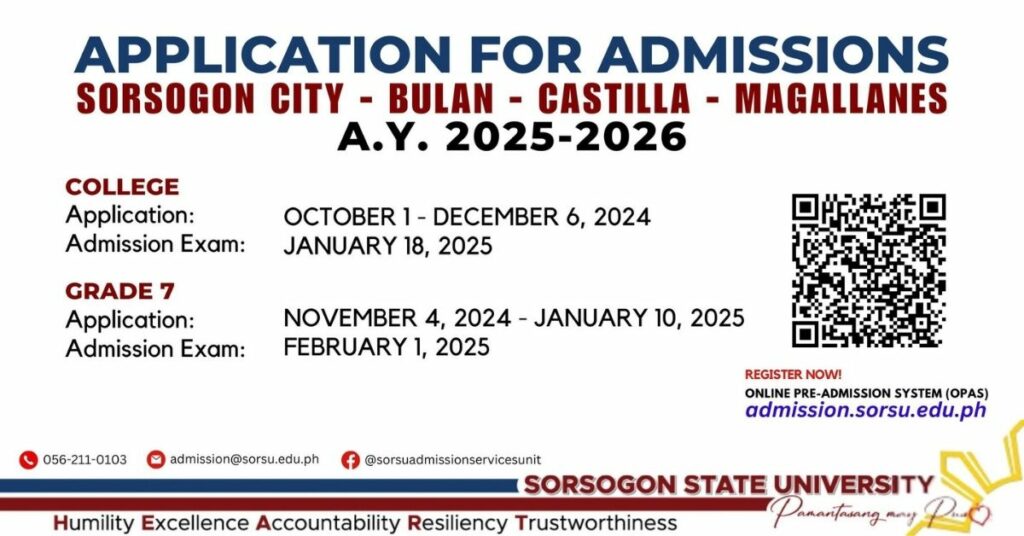
When applying for student admissions, there are several common requirements that you need to prepare in order to complete your application successfully. These requirements typically include essential documents such as transcripts, recommendation letters, and essays. Additionally, meeting deadlines for submission is crucial to ensure that your application is considered by the admissions committee.
Essential Documents Preparation
To prepare essential documents for your application, start by requesting official transcripts from your school or college. Make sure that these transcripts are up-to-date and accurately reflect your academic performance. Next, reach out to your teachers or mentors to request recommendation letters.
Choose individuals who know you well and can speak to your abilities and character. When it comes to writing essays, take your time to craft thoughtful and compelling pieces that showcase your personality and aspirations.
Meeting Deadlines
Meeting deadlines for submission is key to a successful application process. Create a timeline for yourself that Artikels all the important dates, such as application deadlines, test dates, and submission deadlines for documents. Make sure to give yourself plenty of time to review and revise your materials before submitting them.
Consider setting reminders or alerts to ensure that you do not miss any deadlines. Remember, timely submission can make a difference in the evaluation of your application.
Personal Statement
Crafting a compelling personal statement is a key component of the admission process for universities. It allows applicants to showcase their unique qualities, experiences, and aspirations to the admissions committee. A well-written personal statement can set you apart from other candidates and give the committee a glimpse into who you are beyond your academic achievements.
Structuring and Formatting
When structuring your personal statement, it is essential to have a clear introduction, body, and conclusion. Start with a captivating opening that grabs the reader’s attention and sets the tone for the rest of the statement. In the body, elaborate on your experiences, skills, and goals that make you a strong candidate for the program.
Be sure to provide specific examples to support your claims and demonstrate your qualifications. Finally, end with a strong conclusion that summarizes your key points and leaves a lasting impression.
Highlighting Strengths and Qualities
To effectively highlight your strengths and unique qualities in your personal statement, focus on showcasing your accomplishments, skills, and personal attributes that align with the program’s values and goals. Avoid listing achievements and instead, provide context and reflection on how these experiences have shaped you as an individual.
Use specific examples to demonstrate your skills and qualities, and tie them back to why you are a good fit for the program. Remember to be authentic and genuine in your writing, as the admissions committee is looking for candidates who can bring a diverse perspective to the program.
Extracurricular Activities: Student Admission Application Tips For 2026

Extracurricular activities play a crucial role in the college admission process as they demonstrate a student’s interests, passions, and commitment outside of academics. Admissions officers look for well-rounded individuals who can contribute to the campus community beyond the classroom.
Examples of Impactful Extracurricular Activities
- Leadership roles in clubs or organizations
- Sports team participation
- Community service or volunteering
- Internships or part-time jobs related to your field of interest
- Performing arts involvement such as theater, music, or dance
Showcasing Extracurricular Involvement Effectively
When highlighting your extracurricular activities on your application, be sure to provide detailed descriptions of your roles and responsibilities. Focus on any leadership positions held, awards or achievements, and the impact you made within the organization or community. Admissions officers are looking for quality over quantity, so emphasize your commitment and passion for the activities you were involved in.
Standardized Tests
Standardized tests like the SAT or ACT play a crucial role in the college admission process. These tests provide a standardized measure of students’ academic abilities and are used by colleges to evaluate applicants’ readiness for higher education.
Tips for Test Preparation
- Start early: Begin studying for the test well in advance to allow yourself enough time to review all the material.
- Practice regularly: Take practice tests to familiarize yourself with the format and timing of the exam.
- Focus on weak areas: Identify your weaker subjects and spend extra time improving in those areas.
- Use study resources: Utilize study guides, online resources, and tutoring services to help you prepare effectively.
- Manage time effectively: Practice time management during your study sessions and on practice tests to ensure you can complete the exam within the allotted time.
Significance of Test Scores
Standardized test scores are an important component of your college application, but they are not the only factor considered by admissions committees. While high scores can strengthen your application, they are usually evaluated in conjunction with other components such as your GPA, extracurricular activities, and personal statement.
It is essential to perform well on these tests, but remember that they are just one part of a holistic review process.
Letters of Recommendation
Letters of recommendation play a crucial role in a student’s application, providing insight into the applicant’s character, abilities, and potential for success. These letters offer a perspective that goes beyond test scores and grades, showcasing personal qualities that admissions officers value.
Selecting the right recommenders
When choosing recommenders, opt for individuals who know you well and can speak to your strengths and accomplishments. This could be a teacher, counselor, employer, or mentor who can provide specific examples of your abilities and character.
Requesting recommendations
- Ask for recommendations well in advance to give recommenders enough time to craft thoughtful letters.
- Provide recommenders with all necessary information, such as application deadlines, submission details, and any specific points you would like them to address.
- Follow up with a polite reminder closer to the deadline to ensure timely submission.
Follow-up with recommenders
After requesting recommendations, it’s essential to maintain communication with your recommenders to ensure they submit their letters on time. Express gratitude for their support and offer assistance if needed to make the process smoother for them.
Financial Aid and Scholarships
When it comes to financing your education, applying for financial aid and scholarships can make a significant difference in easing the burden of college expenses. It’s crucial to understand the process and start researching early to maximize your opportunities for financial assistance.
Applying for Financial Aid
Applying for financial aid typically involves completing the Free Application for Federal Student Aid (FAFSA) form. This form gathers information about your family’s financial situation to determine your eligibility for federal aid programs, such as grants, work-study, and loans.
Additionally, some colleges may require the CSS Profile, a more detailed financial aid application that considers factors beyond what the FAFSA covers. Be sure to check each institution’s specific requirements.
Finding Scholarships and Financial Aid Opportunities
There are various resources available to help you find scholarships and financial aid opportunities. Start by exploring scholarship databases like Fastweb, Scholarships.com, and College Board’s Scholarship Search. You can also check with your high school guidance counselor, local organizations, and professional associations for potential scholarship opportunities.
Don’t overlook institutional scholarships offered by the colleges you’re applying to. Many schools provide merit-based scholarships, need-based aid, and other financial assistance programs for incoming students.
Importance of Early Planning
Early planning and research are essential when it comes to securing financial aid and scholarships. Deadlines for applications can vary, and some scholarships have early deadlines, so it’s crucial to start your search as soon as possible.
By researching and applying for financial aid early, you can increase your chances of receiving support to help cover your college expenses. Stay organized, keep track of deadlines, and make sure to submit all required documents to maximize your opportunities for financial assistance.
Interview Preparation
Preparing for admission interviews is a crucial step in the application process. It is an opportunity for you to showcase your personality, experiences, and aspirations to the admissions committee. Here are some tips to help you make a positive impression during your interview:
Research the Institution
Before your interview, make sure to research the institution thoroughly. Understand its values, mission, and programs. This will not only show your interest in the school but also help you tailor your responses during the interview to align with the institution’s values.
- Visit the school’s website and familiarize yourself with the different departments and programs offered.
- Read up on recent news or events related to the institution.
- Prepare questions to ask the interviewer about the school to demonstrate your genuine interest.
Practice Mock Interviews
One of the best ways to prepare for an interview is to practice mock interviews with a friend, family member, or mentor. This will help you get comfortable answering common interview questions and receive feedback on your responses.
- Practice answering questions about your background, experiences, and why you are interested in the institution.
- Work on your body language, eye contact, and tone of voice during the interview.
- Ask for feedback on areas where you can improve and work on them before the actual interview.
Dress Professionally and Arrive Early
On the day of your interview, make sure to dress professionally and arrive early to the interview location. Your appearance and punctuality are important aspects of making a positive first impression.
- Choose a professional outfit that is appropriate for the interview setting.
- Plan your route to the interview location in advance and account for any potential delays.
- Arrive at least 15-20 minutes early to the interview to show that you are responsible and respectful of others’ time.
Closing Notes

Gear up to navigate the competitive landscape of college admissions armed with the invaluable wisdom shared in Student Admission Application Tips for 2026. With these tips in your arsenal, success is within reach!
Popular Questions
What are some key factors to consider when researching institutions?
When researching institutions, consider factors like academic programs, location, campus culture, and opportunities for personal growth.
How can I effectively showcase my extracurricular activities on my application?
To showcase your extracurricular activities, provide detailed descriptions of your involvement, highlight any leadership roles or achievements, and explain how they have contributed to your personal development.
Why is early planning crucial when applying for financial aid and scholarships?
Early planning is essential for financial aid and scholarships to ensure you have enough time to research opportunities, gather required documents, and meet application deadlines.
