
 Jackson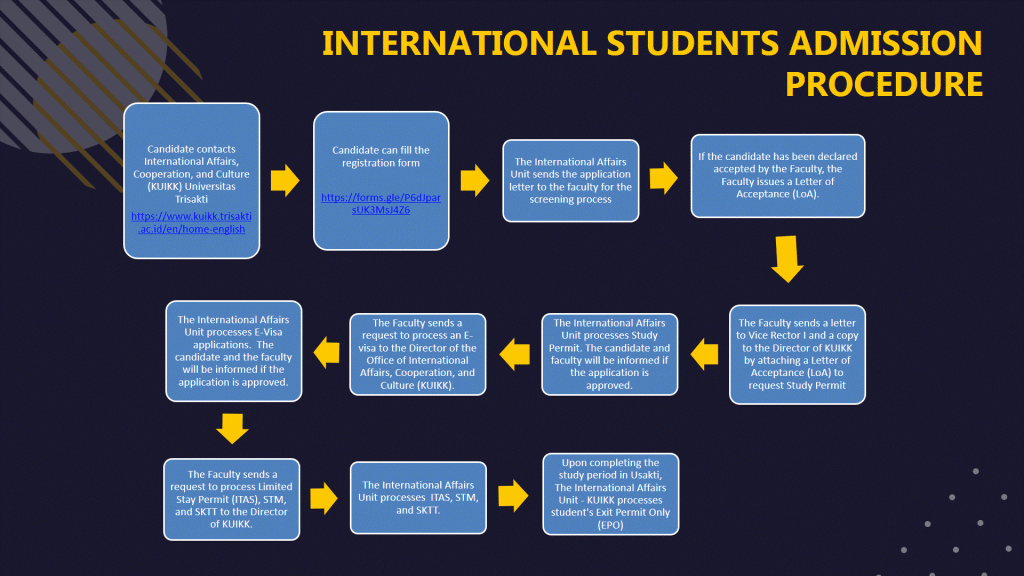
Kicking off with Student Admission Documents You Need to Prepare, this guide will unravel the mysteries behind the necessary paperwork for a successful admission journey. From academic records to financial documents, we’ve got you covered with all the essential information you need to know.
Documents Required for Student Admission
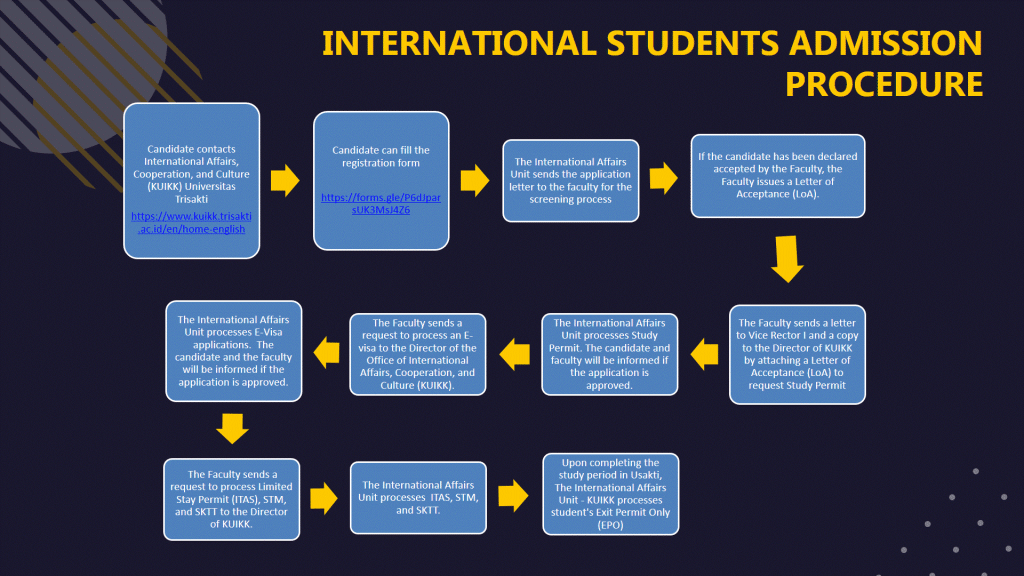
When applying for admission to a college or university, there are several essential documents that you will need to prepare. These documents play a crucial role in the admission process, as they help the institution assess your qualifications and determine your eligibility for enrollment.
High School Admission
- High School Transcript: This document provides a record of your academic performance throughout high school, including grades and courses taken. It helps colleges evaluate your academic abilities and potential.
- Letters of Recommendation: These letters are written by teachers or other individuals who can speak to your character, work ethic, and strengths. They provide additional insight into your abilities and potential as a student.
- Standardized Test Scores: Colleges may require scores from exams such as the SAT or ACT to assess your readiness for higher education.
- Personal Statement: This essay allows you to showcase your personality, interests, and goals, giving colleges a glimpse into who you are beyond your academic achievements.
Undergraduate Admission
- College Transcript: Similar to a high school transcript, a college transcript provides a record of your academic performance at the undergraduate level.
- Letters of Recommendation: These continue to be important at the undergraduate level, providing insight into your academic abilities and character.
- Admissions Essay: Colleges may require an essay that demonstrates your writing skills and gives you the opportunity to express your motivations for pursuing higher education.
- Financial Aid Forms: For undergraduate students, financial aid forms are crucial to determine your eligibility for scholarships, grants, or loans.
Graduate Admission
- Graduate School Transcript: This document provides a detailed record of your academic achievements at the graduate level, showing your proficiency in your chosen field of study.
- Letters of Recommendation: At the graduate level, letters of recommendation from professors or professionals in your field carry significant weight in the admission process.
- Statement of Purpose: This document Artikels your academic and professional goals, research interests, and reasons for pursuing a graduate degree.
- Resume/CV: A resume or curriculum vitae highlights your academic achievements, work experience, research projects, and other relevant qualifications.
Academic Records
Academic records play a crucial role in the student admission process as they provide educational institutions with vital information about a student’s academic background and performance. These records include academic transcripts, certificates, and diplomas that help institutions assess a student’s eligibility for admission.
Evaluation of Academic Transcripts, Certificates, and Diplomas
Academic transcripts, certificates, and diplomas are evaluated by educational institutions to determine the academic achievements and capabilities of a student. Institutions look at the grades, courses taken, GPA, and any honors or awards received to gauge the academic potential of the student.
They also consider the reputation of the institution where the student obtained their academic credentials.
- Educational institutions assess the consistency and rigor of the courses taken by the student.
- Grades in specific subjects relevant to the chosen field of study are closely examined.
- Any additional qualifications or extracurricular achievements mentioned in the academic records can also influence the admission decision.
Tips for Ensuring Academic Records are in Order for Admission
It is essential for students to ensure that their academic records are accurate and up-to-date to increase their chances of successful admission to their desired college or university.
- Regularly review your academic transcripts to check for any errors or discrepancies.
- Keep all certificates and diplomas in a safe and easily accessible place for submission during the admission process.
- Seek guidance from academic advisors or counselors to understand the importance of each document and how they can impact your admission prospects.
- Prepare a well-organized academic portfolio showcasing your achievements and qualifications to present a comprehensive view of your academic journey.
Identification and Personal Documents
When it comes to student admission, having the right identification and personal documents is crucial. These documents help verify the identity of the student and ensure that the admission process runs smoothly.
Types of Personal Identification Documents
- Passport: A valid passport is often required for international students to verify their identity and nationality.
- Identification Card: A government-issued ID card, such as a driver’s license or national ID card, is commonly used for domestic students.
- Birth Certificate: This document is used to confirm the student’s date of birth and is essential for enrollment purposes.
Role of Personal Documents in Admission
- Verification of Identity: Personal documents help confirm the identity of the student applying for admission.
- Nationality Confirmation: Documents like passports are used to verify the student’s nationality, especially for international admissions.
- Age Verification: Birth certificates are crucial in confirming the student’s age and eligibility for specific programs.
Handling Discrepancies or Issues
- Communicate with Admissions Office: If there are discrepancies in personal documents, it’s essential to communicate with the admissions office promptly.
- Provide Clarifications: Be prepared to provide any necessary clarifications or additional documents to resolve the issues.
- Seek Assistance: If you encounter challenges with personal documents, seek guidance and support from the admissions team for a smooth resolution.
Letters of Recommendation and Personal Statements
When applying for college or university admission, letters of recommendation and personal statements play a crucial role in showcasing your abilities, qualities, and potential to the admissions committee.
Letters of Recommendation
Letters of recommendation are written by teachers, counselors, or mentors who can attest to your academic performance, character, and personal qualities. These letters provide valuable insights into your strengths, work ethic, and potential for success in a higher education setting.
- Request letters from individuals who know you well and can speak to your abilities.
- Provide recommenders with relevant information about your achievements, goals, and experiences.
- Follow up with a thank-you note to express gratitude for their support.
Personal Statements
Personal statements or essays are opportunities for you to express your motivations, goals, and unique qualities to the admissions committee. These documents allow you to stand out from other applicants and showcase your passion for your chosen field of study.
- Focus on a central theme or narrative that highlights your strengths and experiences.
- Be authentic and honest in your writing, showcasing your genuine voice and perspective.
- Edit and revise your personal statement to ensure clarity, coherence, and impact.
Financial Documents: Student Admission Documents You Need To Prepare
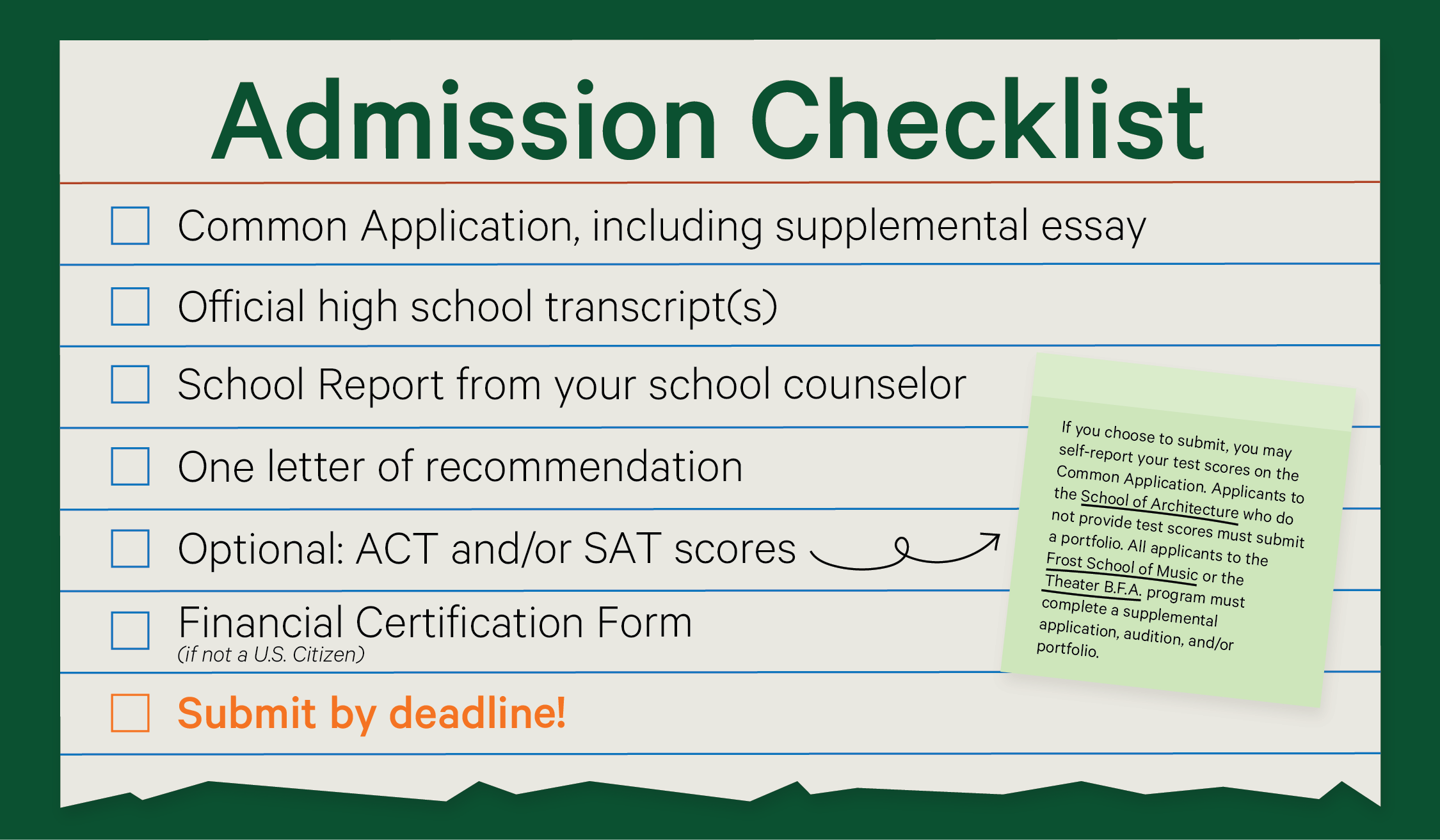
When applying for student admission, it is crucial to submit the necessary financial documents to demonstrate your ability to cover the costs of your education and living expenses. International students, in particular, need to show proof of sufficient funds to support themselves while studying abroad.
Required Financial Documents
- Bank Statements: Providing recent bank statements showing enough funds to cover tuition fees, accommodation, and other expenses is essential.
- Sponsorship Letters: If you are being sponsored by a third party, such as a relative or a company, you will need a sponsorship letter detailing the financial support they will provide.
- Scholarship or Grant Letters: If you have been awarded a scholarship or grant, include the official letters confirming the financial assistance.
Importance of Demonstrating Financial Capability
Showing that you have the financial means to support yourself during your studies is a crucial part of the admission process for international students. It assures the institution that you can afford the costs associated with studying abroad and helps them evaluate your readiness for academic success without financial constraints.
Tips for Organizing Financial Documents, Student Admission Documents You Need to Prepare
- Start Early: Begin gathering your financial documents well in advance to avoid any last-minute rush.
- Make Copies: Keep copies of all your financial documents for your records and submit only the required originals.
- Organize in a Folder: Create a separate folder to store all your financial documents to ensure easy access when needed.
- Check Requirements: Double-check the specific financial document requirements of the institution you are applying to and ensure you meet all criteria.
Additional Requirements and Supplementary Materials
When applying to specific programs or institutions, students may encounter additional requirements and supplementary materials that need to be submitted along with their application. These materials are crucial in showcasing the applicant’s qualifications, skills, and suitability for the program.
Portfolios
Some programs, especially in fields such as art, design, or architecture, may require applicants to submit a portfolio showcasing their work. Portfolios provide a visual representation of the applicant’s skills, creativity, and style. It is essential to carefully curate and present your best work in a portfolio to impress the admissions committee.
Standardized Test Scores
Many institutions require applicants to submit standardized test scores, such as the SAT or ACT, as part of their application. These scores help assess the academic abilities of the students and provide a standardized measure for comparison. It is important to prepare and take these tests seriously to achieve competitive scores.
Other Supplementary Materials
In addition to portfolios and test scores, some programs may request other supplementary materials, such as writing samples, research papers, or project proposals. These materials help demonstrate the applicant’s research skills, writing abilities, or specific interests in the field. It is crucial to follow the guidelines provided by the institution and submit these materials in a timely manner.
Epilogue
In conclusion, preparing the right documents for your student admission is crucial for a smooth process. By following the tips and guidelines provided, you can increase your chances of securing a spot in your desired educational institution. Good luck on your admission journey!
Clarifying Questions
What financial documents are required for student admission?
Financial documents such as bank statements or sponsorship letters are typically needed to demonstrate financial capability.
How important are letters of recommendation in the admission process?
Letters of recommendation play a significant role in showcasing a student’s character and abilities to the admissions committee.