
 irwan irwan
How Student Admission Works: A Beginner’s Guide opens the door to the intricate world of student admissions, shedding light on the process and requirements that aspiring students need to navigate.
From understanding the different types of admissions to deciphering application requirements and admission criteria, this guide serves as a beacon for those embarking on their educational journey.
Overview of Student Admission Process
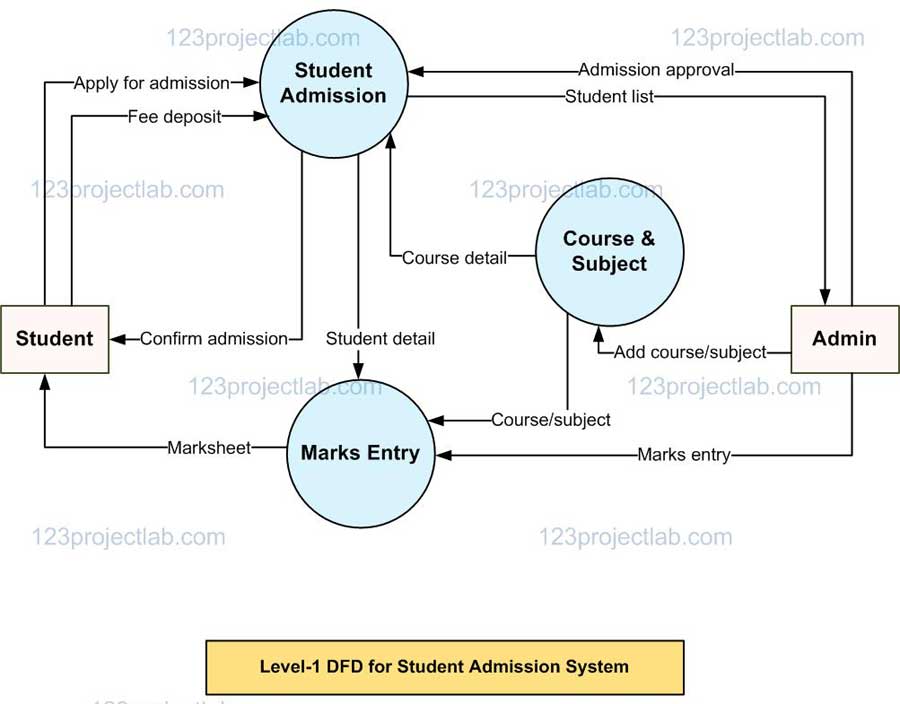
Student admission process is a crucial step in every student’s academic journey. It involves a series of steps and requirements that students need to fulfill in order to secure a spot in their desired educational institution. Understanding how student admission works is essential for a smooth and successful application process.
Key Components of the Admission Process
- Application Form: Students need to fill out an application form with their personal details, academic background, and other relevant information.
- Standardized Tests: Many institutions require students to take standardized tests such as the SAT or ACT to assess their academic abilities.
- Transcripts: Students must submit their academic transcripts to provide a record of their previous academic performance.
- Letters of Recommendation: Institutions often require letters of recommendation from teachers or mentors to vouch for the student’s character and academic abilities.
- Personal Statement: A personal statement or essay is usually required to give students the opportunity to showcase their personality, interests, and goals.
Importance of Understanding the Admission Process
Understanding how student admission works is crucial for ensuring a successful application. By knowing the key components and requirements of the admission process, students can prepare themselves adequately and increase their chances of getting accepted into their desired institution. It also helps students navigate the application process smoothly and avoid any potential pitfalls or mistakes that could hinder their chances of admission.
Types of Student Admission

In the realm of student admissions, there are various types that cater to different levels of education and circumstances. Understanding these distinctions can help aspiring students navigate the application process more effectively.
Undergraduate, Graduate, and International Admissions
- Undergraduate Admissions: This type of admission is for students seeking entry into a bachelor’s degree program at a college or university.
- Graduate Admissions: Reserved for individuals looking to pursue a master’s or doctoral degree after completing their undergraduate studies.
- International Admissions: Designed for students from foreign countries who wish to study at institutions outside their home country.
Regular, Early Decision, and Rolling Admissions
- Regular Admissions: The standard process where students submit their applications by a set deadline and receive decisions within a specified timeframe.
- Early Decision Admissions: In this scenario, students apply to their top-choice school early and commit to attending if accepted.
- Rolling Admissions: Schools review applications as they receive them, offering acceptances until all spots are filled.
Specialized Admissions Processes
- Medical School Admissions: Requires completion of specific pre-medical coursework, MCAT exam, and often involves interviews and letters of recommendation.
- Law School Admissions: Involves taking the LSAT exam, submitting transcripts, personal statements, and letters of recommendation.
Application Requirements

When applying for student admission, it is important to gather all the necessary documents to ensure a smooth process. These documents play a crucial role in showcasing your academic achievements, skills, and potential to the admissions committee.
Common Documents Required, How Student Admission Works: A Beginner’s Guide
- Transcripts: Official transcripts from high school or previous colleges attended are typically required to showcase your academic performance.
- Letters of Recommendation: These letters, usually from teachers or mentors, provide insight into your character, work ethic, and potential for success.
- Standardized Test Scores: Scores from exams like the SAT or ACT are often required to assess your academic abilities compared to other applicants.
Significance of Personal Statements or Essays
Personal statements or essays are an essential part of the application process as they allow you to express your unique experiences, goals, and aspirations to the admissions committee. These essays provide a deeper understanding of who you are beyond your academic achievements and test scores.
Additional Requirements
Some institutions or programs may have specific additional requirements for admission. These could include portfolios for art or design programs, interviews, or supplemental essays. It is important to carefully review the application instructions for each school to ensure you meet all the necessary requirements.
Admission Criteria and Selection Process
When it comes to student admission, universities and colleges have specific criteria they use to evaluate applicants. These criteria play a crucial role in the selection process and help determine which students are admitted.Factors such as GPA, test scores, extracurricular activities, and community service are commonly considered during the evaluation of applicants.
These elements provide insight into a student’s academic performance, personal interests, and level of involvement in their community.
Evaluation Criteria Used by Universities and Colleges
- Grade Point Average (GPA): Universities often look at a student’s GPA as a measure of their academic performance throughout high school. A strong GPA can indicate that a student is dedicated to their studies and has a good understanding of the material.
- Test Scores: Standardized test scores, such as the SAT or ACT, are used by many institutions to assess a student’s aptitude and readiness for college-level work. These scores provide a standardized way to compare students from different backgrounds.
- Extracurricular Activities: Participation in extracurricular activities, such as sports, clubs, or volunteer work, can demonstrate a student’s interests and abilities outside of the classroom. Universities often value well-rounded students who are actively involved in their school or community.
- Community Service: Involvement in community service projects or volunteer work can showcase a student’s commitment to helping others and making a positive impact. This type of experience can also highlight important values such as leadership, empathy, and social responsibility.
Admission Decision Process
Admission decisions are typically made by admissions committees, which review all aspects of an applicant’s profile before making a final determination. These committees consider the overall strength of the application, including academic achievements, personal qualities, and potential contributions to the campus community.
Financial Aid and Scholarships
Financial aid and scholarships play a crucial role in making higher education accessible to students. Understanding the process of applying for financial aid and the different types of scholarships available can greatly impact the admission process and help students fund their education effectively.
Applying for Financial Aid
Applying for financial aid typically involves completing forms such as the Free Application for Federal Student Aid (FAFSA) or the CSS Profile. These forms gather information about a student’s financial situation to determine their eligibility for various types of aid, including grants, loans, and work-study programs.
Types of Scholarships
Scholarships are awarded based on various criteria such as academic achievement, extracurricular involvement, community service, or specific talents. Merit-based scholarships are awarded to students with outstanding academic or athletic abilities, while need-based scholarships are awarded to students with demonstrated financial need.
Other scholarships may be based on factors like ethnicity, gender, or field of study.
Understanding Cost of Attendance and Funding Options
It is important for students to understand the total cost of attendance, including tuition, fees, room and board, books, and other expenses. By comparing the cost of attendance with available financial aid and scholarship options, students can determine how to best fund their education.
This may involve a combination of grants, scholarships, work-study programs, and student loans.
Concluding Remarks: How Student Admission Works: A Beginner’s Guide
As we conclude this insightful journey through How Student Admission Works: A Beginner’s Guide, remember that knowledge is power when it comes to securing your place in the academic realm. Armed with this understanding, you can confidently take on the challenges of the admission process and pave your way to a fulfilling educational experience.
Essential Questionnaire
What are the different types of student admissions?
There are various types of student admissions, including undergraduate, graduate, and international admissions.
What documents are commonly required for admission?
Common documents include transcripts, letters of recommendation, and standardized test scores.
How do universities evaluate applicants for admission?
Universities consider factors like GPA, test scores, extracurricular activities, and community service in the selection process.
What is the significance of applying for financial aid?
Applying for financial aid is crucial in understanding the cost of attendance and exploring options for funding education.
