 irwan irwan
Kicking off with Student Admission Checklist: Documents and Requirements Explained, this opening paragraph is designed to captivate and engage the readers, setting the tone bloomberg author style that unfolds with each word.
The admission process can be overwhelming for students and institutions alike. From academic documents to financial proofs, the checklist plays a crucial role in ensuring a smooth process. Let’s delve deeper into the essential documents and requirements that students need to prepare for a successful admission.
Student Admission Checklist Overview
Having a comprehensive admission checklist is crucial for ensuring a smooth and efficient admission process for both students and institutions. It serves as a roadmap that Artikels all the necessary documents and requirements that need to be submitted for admission.
Typical Categories of Documents and Requirements
- Academic Transcripts: Official records of a student’s academic performance, including grades and courses taken.
- Standardized Test Scores: Results from exams such as the SAT or ACT, which are often required for college admissions.
- Letters of Recommendation: Written endorsements from teachers, counselors, or other individuals who can attest to a student’s abilities and character.
- Personal Statement: A written essay where the student shares their personal experiences, goals, and reasons for applying to the institution.
- Proof of Identity: Documents such as a passport, birth certificate, or driver’s license to confirm the student’s identity.
Importance of a Well-Organized Checklist
A well-organized checklist can streamline the admission process by providing clarity on what needs to be submitted and when. It helps students stay on track with their application requirements, reducing the chances of missing important deadlines. For institutions, a comprehensive checklist ensures that they receive all the necessary information to make informed decisions on admissions.
Academic Documents
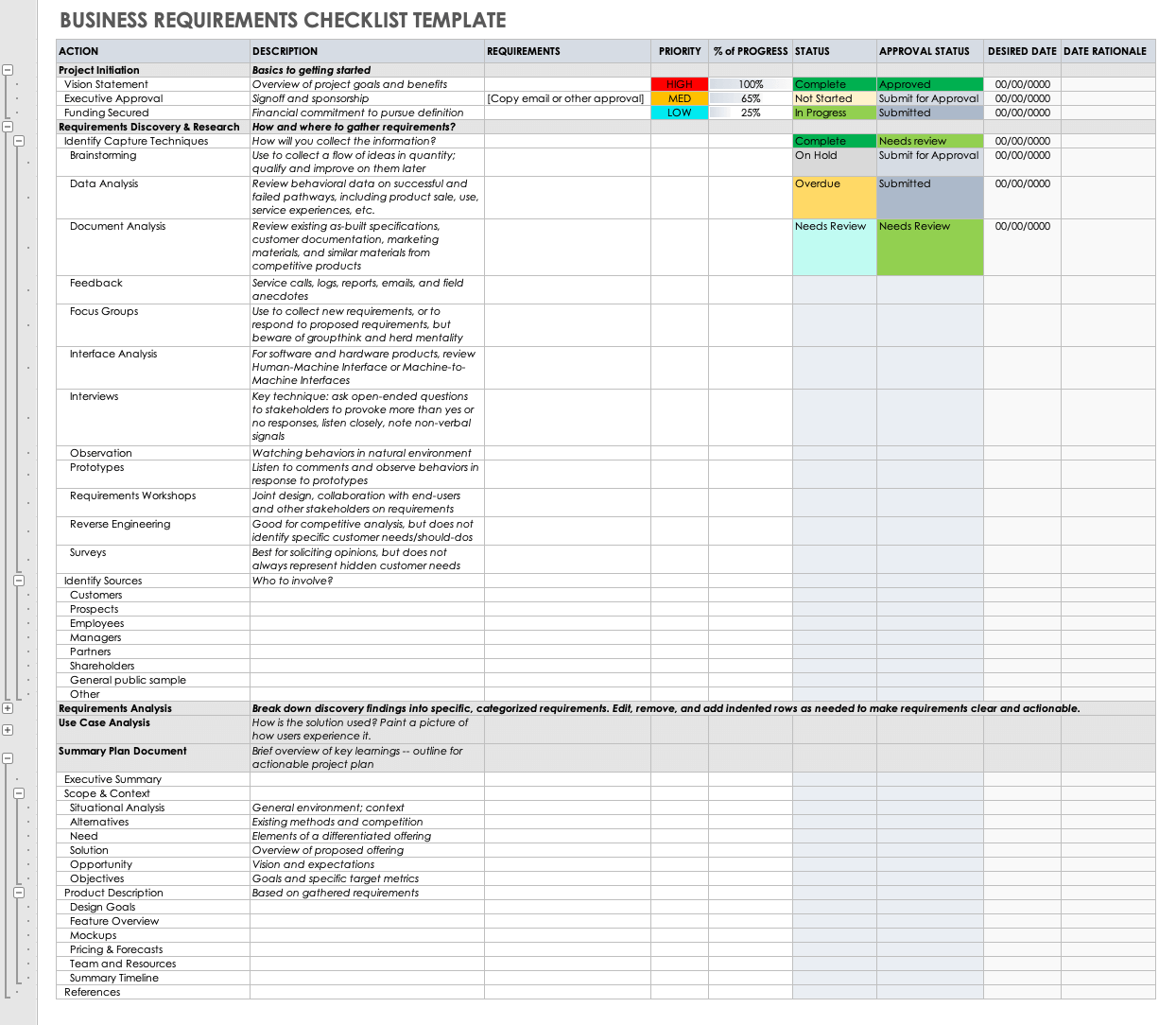
When applying for student admissions, academic documents play a crucial role in showcasing a student’s educational background and qualifications. Here, we will explore the specific academic documents required for admissions, provide tips on meeting admission criteria, and compare requirements for undergraduate and graduate admissions.
Commonly Required Academic Documents
- Transcripts: Official records of courses taken, grades received, and cumulative GPA.
- Certificates: Documents certifying completion of specific programs, courses, or exams.
- Letters of Recommendation: Written endorsements from teachers, professors, or employers.
- Standardized Test Scores: Results from exams like SAT, ACT, GRE, or GMAT.
Tips for Ensuring Academic Documents Meet Admission Criteria
Make sure all documents are up-to-date, accurate, and free of errors.
- Request official transcripts and certificates directly from educational institutions.
- Follow guidelines for formatting and submission provided by the admissions office.
- Double-check that all required documents are included in the application package.
- Seek assistance from academic advisors or counselors for document verification.
Comparison of Academic Document Requirements
| Undergraduate Admissions | Graduate Admissions |
|---|---|
| High school transcripts and diploma | Bachelor’s degree transcripts and certificate |
| Letters of Recommendation from teachers | Letters of Recommendation from professors or employers |
| SAT or ACT scores | GRE or GMAT scores |
Identification and Personal Documents
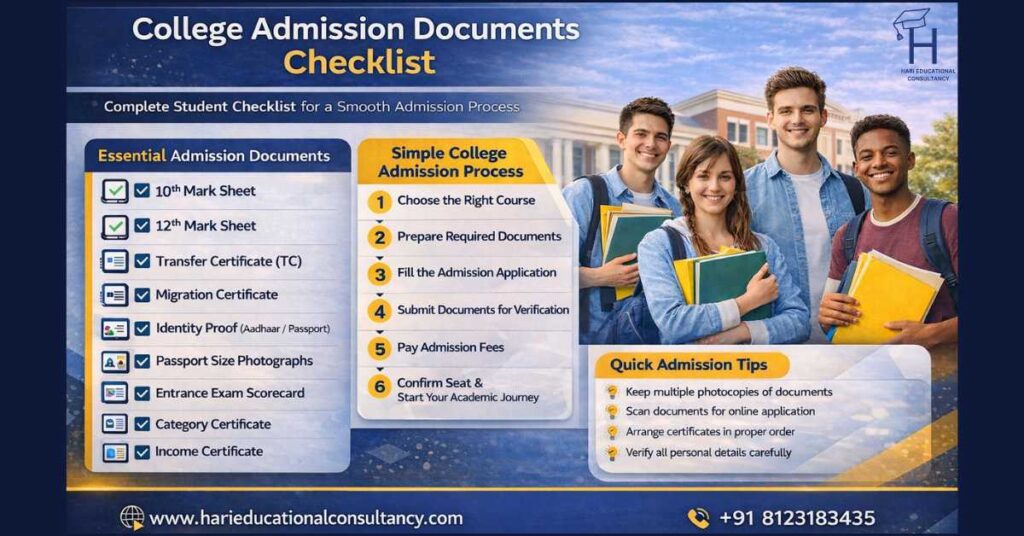
When it comes to the admission process, students are required to submit a variety of identification and personal documents to verify their identity and background. These documents play a crucial role in the admission process and are essential for maintaining the integrity of the academic institution.
Essential Identification and Personal Documents
- Government-issued ID card or passport
- Birth certificate
- Proof of address (such as utility bills or rental agreement)
- Passport-size photographs
- Parent or guardian identification documents (if applicable)
Providing valid identification proofs is crucial for verifying the identity of the student and ensuring that the information provided is accurate and authentic.
Authentication of Personal Documents
- Get documents notarized by a legal authority
- Obtain attestation from relevant government authorities
- Submit copies of original documents along with the admission application
- Ensure that all documents are up-to-date and not expired
By authenticating personal documents, students can prevent any discrepancies or misunderstandings during the admission process and demonstrate their eligibility for the program.
Letters of Recommendation and Statements: Student Admission Checklist: Documents And Requirements Explained
When it comes to the admission process, letters of recommendation play a crucial role in providing insight into a student’s character, capabilities, and potential. These letters are typically written by teachers, mentors, or other individuals who can attest to the student’s academic abilities and personal qualities.
Letters of Recommendation
- Letters of recommendation offer a glimpse into the student’s academic performance, work ethic, and character traits that may not be evident from their academic records alone.
- Students should approach individuals who know them well and can provide specific examples of their strengths and achievements.
- It is essential for students to give recommenders ample time to write a thoughtful and detailed letter that highlights their unique qualities.
- Choosing recommenders who can speak to different aspects of the student’s life, such as academic, extracurricular, or personal, can provide a well-rounded view of the student.
Personal Statements or Essays
- Personal statements or essays allow students to showcase their personality, experiences, and aspirations in their own words.
- These essays provide admissions committees with a deeper understanding of the student’s motivations, goals, and fit for the program or institution.
- Students should use the personal statement as an opportunity to convey their passion for their chosen field of study and demonstrate their unique perspective.
- It is crucial for students to carefully craft their personal statements, ensuring they are well-written, authentic, and reflective of their true self.
Financial Documents
When it comes to applying for admission as an international student, providing the necessary financial documents is crucial. These documents not only demonstrate your ability to cover the costs of studying abroad but are also essential for visa applications and admission processes.
Types of Financial Documents, Student Admission Checklist: Documents and Requirements Explained
- Bank Statements: Providing recent bank statements showing sufficient funds to cover tuition fees, living expenses, and other costs is often required.
- Sponsorship Letters: If you are being sponsored, you will need official letters from your sponsors detailing the extent of financial support they will provide.
- Scholarship Letters: If you have been awarded a scholarship, you must include official letters confirming the amount and duration of the scholarship.
- Income Tax Returns: Some institutions may request copies of your or your sponsor’s income tax returns to verify financial stability.
Importance of Financial Capability
Demonstrating financial capability is not just a formality; it is a crucial aspect of the application process. Universities and visa authorities need to ensure that you can support yourself financially throughout your studies without resorting to illegal means of income.
Properly documenting your financial status can significantly increase your chances of obtaining a student visa and being admitted to your desired academic program.
Tips for Organizing Financial Documents
- Start Early: Begin gathering your financial documents well in advance to avoid any last-minute stress or delays.
- Create a Checklist: Develop a checklist of all required financial documents to ensure nothing is missed or overlooked.
- Keep Copies: Make copies of all your financial documents and store them in a safe place in case the originals are lost or misplaced.
- Translations: If any of your financial documents are not in English, make sure to have them translated by a certified translator.
- Seek Guidance: If you are unsure about the financial documents required or how to organize them, seek assistance from your educational institution or a professional advisor.
Additional Requirements
When it comes to the admission process, students may encounter various additional requirements beyond the standard documents. These additional requirements could include standardized test scores, portfolios, interviews, or specific project submissions. It is essential for students to be aware of these additional requirements and prepare for them accordingly to increase their chances of successful admission.
Standardized Test Scores
- Some institutions may require students to submit standardized test scores such as SAT, ACT, GRE, or GMAT scores.
- Students can fulfill this requirement by registering for the relevant standardized test, preparing adequately, and taking the test within the specified timeframe.
- It is essential to check the specific score requirements of each institution and aim to achieve scores that meet or exceed these thresholds.
Portfolios
- Certain programs, especially in the arts, design, and architecture fields, may require students to submit portfolios showcasing their creative work.
- Students should carefully curate their portfolios to include a diverse range of their best work that aligns with the program’s requirements.
- Portfolios should be well-organized, clearly labeled, and accompanied by descriptions or explanations of each piece to provide context for the reviewers.
Interviews
- Some institutions may conduct interviews as part of the admission process to assess a student’s fit for the program and their goals.
- Students should prepare for interviews by researching the institution, practicing common interview questions, and presenting themselves professionally.
- It is essential to be authentic, articulate, and demonstrate a genuine interest in the program during the interview.
Specific Project Submissions
- Certain programs may require students to submit specific projects or assignments to demonstrate their skills and capabilities.
- Students should carefully follow the guidelines provided by the institution and ensure that their submissions are of high quality and relevance to the program.
- Time management and attention to detail are crucial when working on project submissions to meet deadlines and showcase the best of one’s abilities.
Final Thoughts
In conclusion, a well-prepared student admission checklist is the key to a successful admission process. By understanding and fulfilling the necessary documents and requirements, students can increase their chances of securing a spot at their desired institution. Stay organized, stay prepared, and embark on your academic journey with confidence.
Commonly Asked Questions
What academic documents are commonly required for admissions?
Typically, academic documents such as transcripts and certificates are needed to demonstrate a student’s educational background and qualifications.
Why are financial documents important for international students seeking admission?
Financial documents are crucial for international students to show their ability to cover tuition and living expenses during their studies. This is often required for visa applications and admission consideration.
How can students ensure their personal documents are authentic?
Students can authenticate their personal documents by obtaining notarized copies or seeking verification from relevant authorities to avoid any discrepancies during the admission process.
