
 Jackson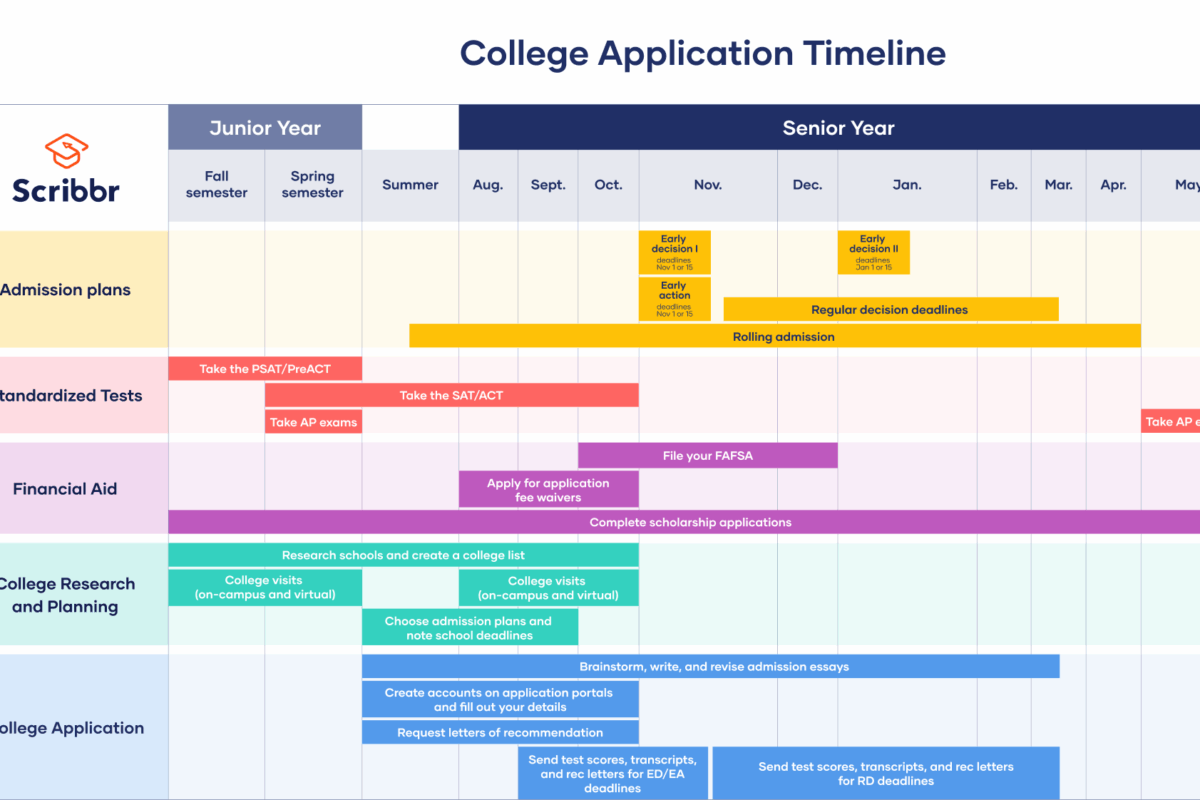
Student Admission Explained: Requirements, Documents, and Deadlines takes center stage, offering a comprehensive guide to navigating the intricacies of the admission process. Dive into this detailed exploration for a clearer understanding of what it takes to secure your spot in a university or college.
Explore the essential components of admission requirements, necessary documents, and crucial deadlines that shape the path towards successful enrollment.
Student Admission Process Overview
Understanding the student admission process is crucial for prospective students as it provides a roadmap to successfully securing a spot in their desired university or college.
General Steps in Student Admission Process:
- Research: Prospective students research different universities or colleges to find the best fit for their academic goals.
- Application: Students fill out the application form, providing necessary personal information, academic records, and other required documents.
- Submission: Completed applications are submitted to the admissions office of the chosen institution within the specified deadline.
- Evaluation: Admissions officers review applications, considering factors like academic performance, extracurricular activities, and personal statements.
- Decision: Based on the evaluation, the institution makes a decision on whether to accept, waitlist, or deny the student.
- Acceptance: Accepted students receive an offer letter detailing the terms and conditions of their admission.
- Confirmation: Students confirm their acceptance by paying a deposit or completing other required steps.
Importance of Understanding the Admission Process:
By understanding the student admission process, prospective students can ensure they meet all requirements, submit their applications on time, and make informed decisions about their academic future.
How Universities or Colleges Handle Student Admissions:
Universities or colleges typically have dedicated admissions offices that oversee the entire admission process, from receiving applications to sending out acceptance letters.
These offices work closely with academic departments, review committees, and other relevant stakeholders to ensure a fair and efficient evaluation of student applications.
Admission Requirements: Student Admission Explained: Requirements, Documents, And Deadlines
To gain admission to a university or college, students must meet certain academic and non-academic requirements. Meeting these requirements is crucial for successful enrollment and pursuing higher education.
Common Academic Requirements
- High school diploma or equivalent
- Minimum GPA (Grade Point Average)
- Standardized test scores (SAT, ACT, etc.)
- Transcripts from previous educational institutions
Non-Academic Requirements
Aside from academic qualifications, students may also need to submit non-academic materials to support their application.
- Letters of recommendation from teachers or mentors
- Personal statement or essay explaining their goals and aspirations
- Extracurricular activities or community service involvement
- Resume detailing work experience or relevant achievements
These non-academic requirements provide admissions committees with a more holistic view of the applicant beyond their academic performance.
Meeting admission requirements is essential as it demonstrates a student’s preparedness for higher education and their potential to succeed in the program of their choice. Admissions officers use these requirements to assess each applicant’s qualifications and determine if they are a good fit for the institution.
Required Documents
In order to complete the student admission process, there are several essential documents that need to be submitted. These documents play a crucial role in verifying the information provided by the applicant and ensuring a smooth admission process.
Identification Documents
- Birth Certificate: A birth certificate is required to verify the applicant’s date of birth and identity.
- Government-issued ID: A valid ID such as a passport or driver’s license is necessary for identification purposes.
Academic Records, Student Admission Explained: Requirements, Documents, and Deadlines
- Transcripts: Official transcripts from previous educational institutions are needed to evaluate the applicant’s academic performance.
- Standardized Test Scores: Scores from standardized tests like the SAT or ACT may be required for certain programs or institutions.
Letters of Recommendation
- Recommendation Letters: These letters provide insight into the applicant’s character, work ethic, and potential for success in the academic environment.
Statement of Purpose
- Personal Statement: A well-written personal statement explains the applicant’s motivations, goals, and reasons for choosing the program or institution.
Financial Documents
- Bank Statements: Proof of financial support is necessary to demonstrate the applicant’s ability to cover tuition and living expenses.
- Sponsorship Letters: If the applicant is sponsored, a letter from the sponsor outlining the financial support is required.
Other Supporting Documents
- Resume/CV: A detailed resume or curriculum vitae helps provide a comprehensive overview of the applicant’s achievements and experiences.
- Passport-sized Photos: Photos may be needed for identification purposes or student ID cards.
Admission Deadlines

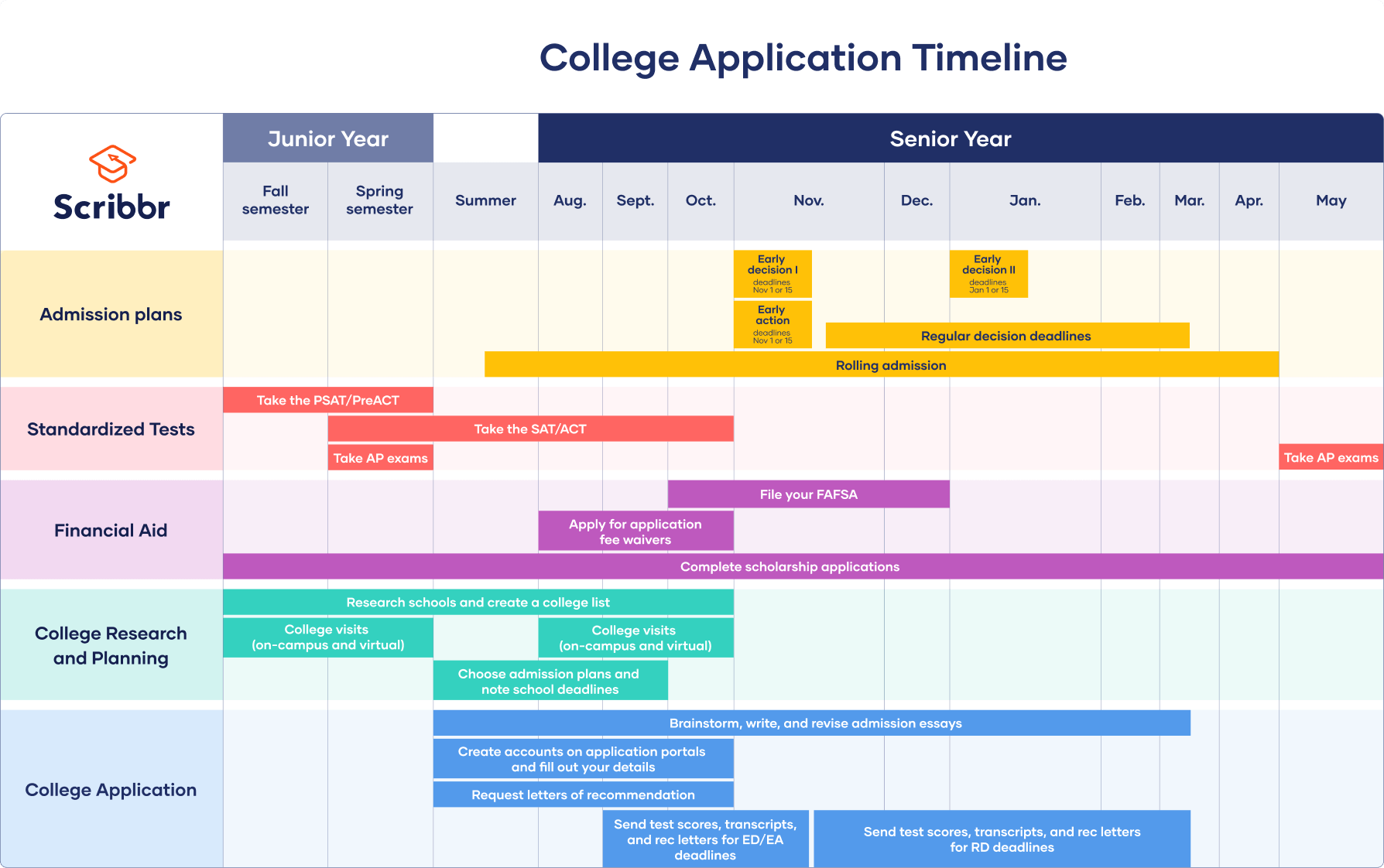
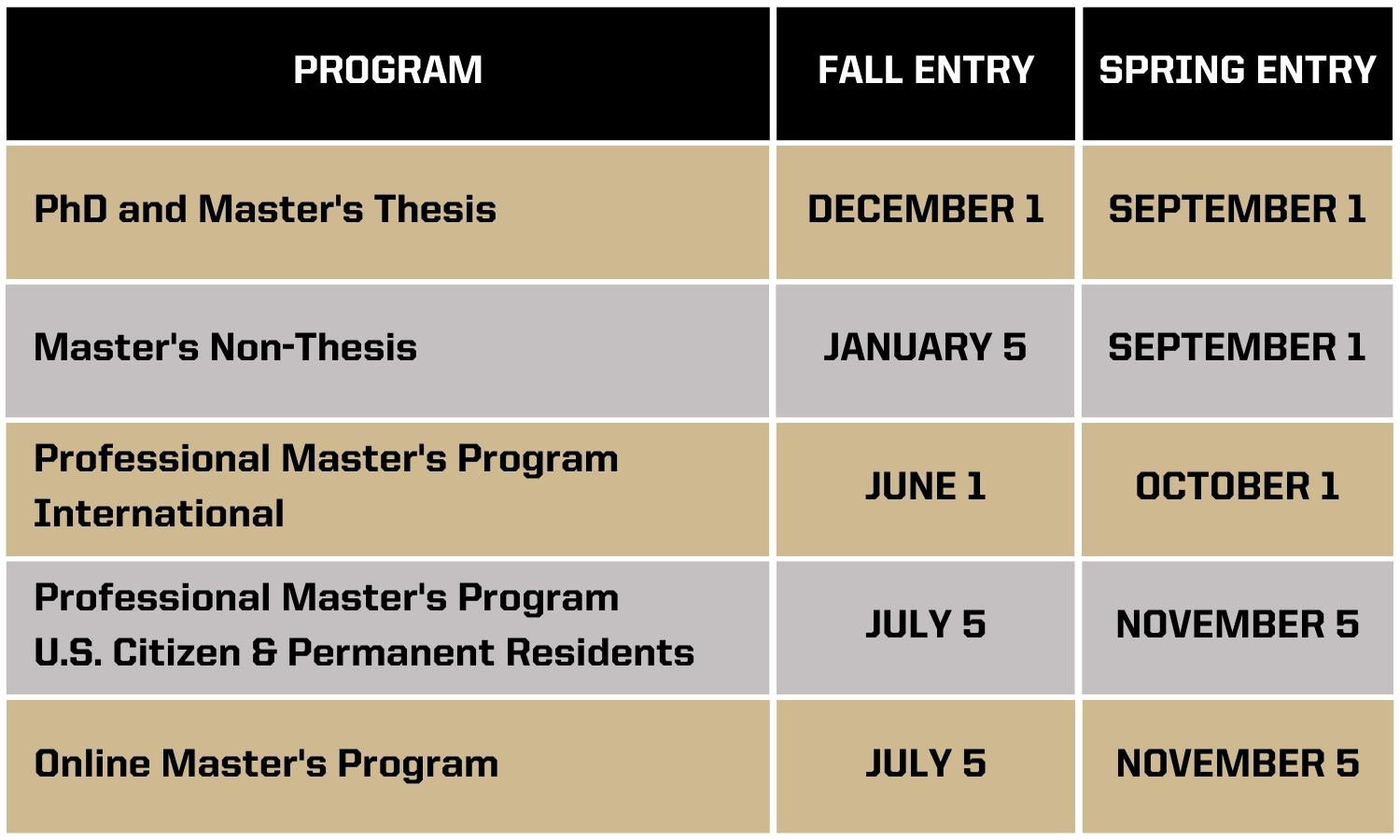
Admission deadlines play a crucial role in the application process for prospective students. Meeting these deadlines ensures that your application is considered for the upcoming academic term or year.
Missing admission deadlines can have serious consequences, such as your application being rejected or placed on a waitlist. It may also limit your chances of securing a spot in your desired program or institution.
Tips for Meeting Admission Deadlines
- Start Early: Begin gathering all necessary documents and information well before the deadline to avoid last-minute rush.
- Stay Organized: Create a checklist of requirements and deadlines for each institution you are applying to.
- Set Reminders: Use a calendar or set reminders on your phone to ensure you do not miss any important dates.
- Seek Help: Reach out to counselors, teachers, or mentors if you need assistance in completing your application on time.
- Submit Early: Aim to submit your application a few days before the deadline to account for any technical issues or delays.
Final Conclusion
Unraveling the complexities of student admission, this discussion sheds light on the critical aspects of meeting requirements, submitting essential documents, and adhering to deadlines. Equip yourself with the knowledge needed to embark on your academic journey with confidence and preparedness.
Questions Often Asked
What are some common non-academic requirements for student admissions?
Non-academic requirements may include letters of recommendation, personal statements, or extracurricular achievements that demonstrate a student’s character and potential.
Why is it crucial to submit all required documents on time for admission?
Submitting all required documents on time ensures that your application is complete and gives you the best chance of being considered for admission before deadlines close.