
 Jackson
Kicking off with Student Admission Guide for Beginners, this comprehensive guide aims to assist newcomers in smoothly navigating the complex college admission process. From understanding deadlines to securing financial aid, this guide covers it all with precision and clarity.
Introduction to Student Admission Guide for Beginners
A student admission guide is a comprehensive resource designed to assist beginners in navigating the often complex and daunting process of applying to educational institutions. This guide aims to provide step-by-step instructions, tips, and important information to help students successfully complete the admission process.
For beginners, the admission process can be overwhelming and confusing, with many requirements and deadlines to keep track of. Having a guide specifically tailored to their needs can simplify the process and alleviate some of the stress associated with applying to schools.
The Target Audience for this Guide
- High school students
- College freshmen
- International students
- Adult learners returning to education
These individuals may lack experience or familiarity with the admission process, making a guide essential in helping them understand what is required and how to best prepare for their applications.
The Benefits of Having a Comprehensive Admission Guide for Students
- Clear and concise instructions on each step of the admission process
- Tips on writing personal statements, essays, and resumes
- Information on financial aid options and scholarships
- Guidance on requesting letters of recommendation and preparing for interviews
- Important deadlines and reminders to keep students on track
Understanding the Admission Process
When applying for admission to a school or university, it is essential to understand the various steps involved in the admission process to ensure a smooth and successful application.
Typical Steps in the Student Admission Process
- Research: Begin by researching the institutions you are interested in to understand their admission requirements and deadlines.
- Application: Fill out the application form accurately and submit it before the deadline.
- Standardized Tests: Some institutions require standardized tests like the SAT or ACT. Make sure to register for and take these tests on time.
- Transcripts: Submit your high school transcripts or academic records to the institution.
- Letters of Recommendation: Request letters of recommendation from teachers or mentors and ensure they are submitted by the deadline.
- Interviews: Some institutions may require an interview as part of the admission process. Prepare accordingly.
- Financial Aid: If you need financial assistance, explore scholarship and financial aid options available at the institution.
Importance of Deadlines in the Admission Process
Missing admission deadlines can jeopardize your chances of acceptance. Institutions receive a high volume of applications, and late submissions may not be considered. It is crucial to adhere to all deadlines to ensure your application receives proper consideration.
Submitting Required Documents
- Submitting all required documents, such as transcripts, test scores, and letters of recommendation, is crucial for a complete application.
- Ensure that all documents are accurate and up to date to present yourself in the best possible light to the admissions committee.
Overview of Common Admission Tests and Their Importance
- Standardized tests like the SAT or ACT are used by many institutions to assess a student’s academic abilities and readiness for higher education.
- Scoring well on these tests can enhance your application and increase your chances of acceptance to your desired institution.
- Prepare thoroughly for these tests by utilizing study materials and resources to perform to the best of your ability.
Researching Potential Colleges/Universities

Researching potential colleges or universities is a crucial step in the admission process. It helps students make informed decisions about their future education. When choosing an educational institution, several factors need to be considered to ensure the best fit for your academic and personal goals.
Factors to Consider When Choosing an Educational Institution
- Academic Programs: Look for colleges or universities that offer programs in your field of interest and have a strong reputation in that area.
- Location: Consider the location of the institution, including the surrounding community, climate, and proximity to home.
- Campus Facilities: Evaluate the facilities available on campus, such as libraries, laboratories, dormitories, and recreational areas.
- Cost and Financial Aid: Compare tuition fees, living expenses, and available financial aid options to ensure affordability.
- Campus Culture: Research the campus culture, student life, extracurricular activities, and opportunities for personal growth.
Significance of Campus Visits and Open House Events
Attending campus visits and open house events can provide valuable insights into the college or university environment. It allows prospective students to interact with current students, faculty members, and staff, giving them a firsthand experience of the campus life and academic atmosphere.
Checking Accreditation and Rankings
Accreditation and rankings play a significant role in determining the quality and reputation of an educational institution.
It is essential to verify if the college or university is accredited by recognized accrediting bodies to ensure that the degrees and programs offered meet certain standards. Additionally, checking rankings can give you an idea of the institution’s academic standing and overall performance compared to other colleges or universities.
Application Preparation
Preparing a strong college application is crucial for gaining admission to your desired institution. It involves showcasing your academic achievements, extracurricular activities, and personal qualities effectively. Below is a checklist to help you prepare a compelling application:
Checklist for a Strong College Application
- Ensure all required documents are complete and submitted on time.
- Double-check your application for errors or missing information.
- Highlight your academic achievements, including GPA, standardized test scores, and relevant coursework.
- Showcase your extracurricular activities, leadership roles, and community involvement.
- Write a compelling personal statement that reflects your goals, values, and aspirations.
- Secure strong letters of recommendation from teachers, mentors, or employers.
Importance of Personal Statements and Recommendation Letters
Personal statements and recommendation letters provide insight into your character, values, and potential as a student. They offer admissions committees a glimpse into your personality beyond grades and test scores.
Filling out Application Forms Accurately and Completely
Accurately filling out application forms is crucial to ensure that all necessary information is provided to the admissions committee. Make sure to fill out each section completely and truthfully, as any inaccuracies can negatively impact your application.
Significance of Highlighting Extracurricular Activities and Achievements
Extracurricular activities and achievements demonstrate your interests, skills, and dedication outside of the classroom. Highlighting these experiences can showcase your well-rounded personality and commitment to personal growth.
Financial Aid and Scholarships
Financial aid and scholarships play a crucial role in helping students afford their college education. Understanding the different types of financial aid available and how to apply for scholarships can make a significant difference in covering the costs of higher education.
Types of Financial Aid
- Grants: Financial aid that does not need to be repaid and is usually based on financial need.
- Loans: Borrowed money that must be repaid with interest after graduation.
- Scholarships: Merit-based financial aid awarded for academic, athletic, or artistic achievements.
- Work-Study: Part-time jobs offered to students to earn money while studying.
Tips for Searching and Applying for Scholarships
- Start early and research scholarship opportunities online, through your school, and local organizations.
- Organize your applications and keep track of deadlines to ensure you submit them on time.
- Customize your applications to highlight your strengths and achievements that align with the scholarship criteria.
- Write compelling essays and personal statements that showcase your goals, aspirations, and why you deserve the scholarship.
Importance of Filling out FAFSA
Completing the Free Application for Federal Student Aid (FAFSA) is essential to determine your eligibility for federal financial aid programs, such as grants, loans, and work-study opportunities. FAFSA also helps colleges assess your financial need and award institutional aid.
Significance of Scholarship Application Deadlines
Meeting scholarship application deadlines is critical as late submissions are often not considered. It is important to plan ahead, prioritize applications based on deadlines, and submit all required documents well in advance to increase your chances of receiving scholarships.
Admission Decision and Enrollment
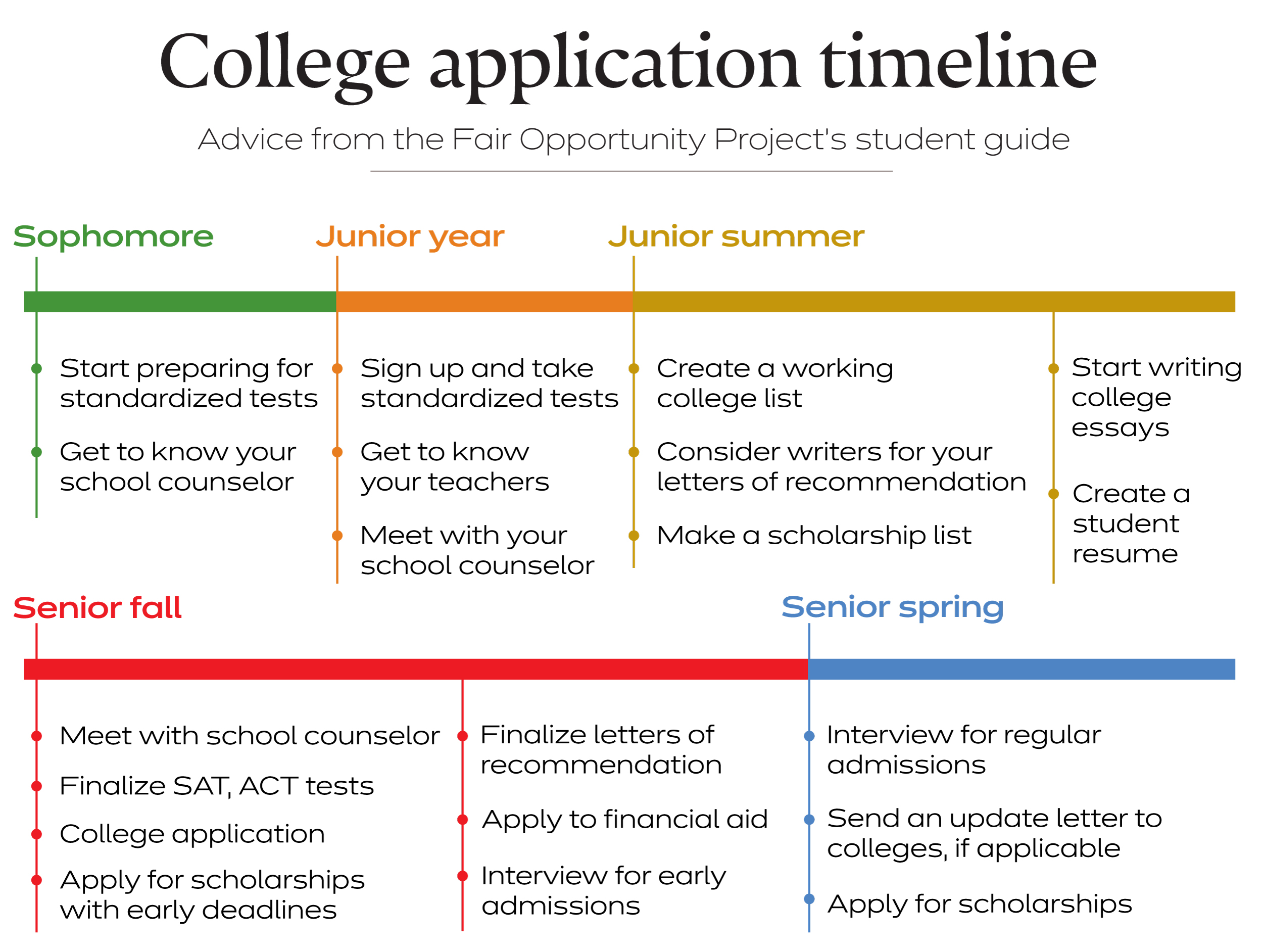
Upon receiving an admission decision, it is crucial to understand how to interpret the outcome and navigate the next steps towards enrollment. This phase is pivotal in shaping your academic journey and ensuring a smooth transition into college life.
Interpreting Admission Decisions
- Accepted: Congratulations! You have been offered admission to the institution. Follow the instructions provided to secure your spot.
- Waitlisted: Your application is on hold, and you may be considered if spots become available. Stay in touch with the admissions office for updates.
- Rejected: Unfortunately, your application was not successful. Consider alternative options and reflect on areas for improvement.
Steps After Receiving an Admission Decision, Student Admission Guide for Beginners
- Review the admission letter carefully for instructions on acceptance deadlines and required documents.
- Confirm your decision by the specified deadline to secure your place in the incoming class.
- Submit any necessary forms or deposits as Artikeld in the acceptance package.
Enrollment Process and Deadlines
- Complete the enrollment forms provided by the institution, including course registration and housing preferences.
- Be mindful of enrollment deadlines to avoid missing out on securing your spot.
- Attend orientation sessions to familiarize yourself with campus resources and academic expectations.
Importance of Accepting Admission Offers and Paying Deposits
- Accepting admission offers promptly demonstrates your commitment to attending the institution.
- Paying deposits ensures your spot in the incoming class and allows for proper planning by the college/university.
- Failure to accept offers or pay deposits on time may result in forfeiting your admission.
Concluding Remarks: Student Admission Guide For Beginners

In conclusion, the Student Admission Guide for Beginners equips aspiring students with the necessary tools and knowledge to successfully embark on their college journey. By following the steps Artikeld in this guide, individuals can confidently navigate the admission process and make informed decisions about their academic future.
Query Resolution
What is the importance of campus visits?
Visiting campuses allows students to get a feel for the environment, interact with current students, and assess if the college is the right fit for them.
How can I search for scholarships effectively?
Utilize online scholarship databases, check with your school’s counseling office, and research local organizations that offer scholarships in your area of interest.
When should I start preparing my college application?
It is advisable to start preparing your application at least a year before you plan to enroll in college to ensure sufficient time for completion and revisions.