 irwan irwan
Student Admission Guide for International Students provides a roadmap for individuals seeking to study abroad, offering essential insights and tips for a successful application process. This comprehensive guide covers everything from pre-application preparation to financial planning, ensuring a smooth transition into academic life in a foreign country.
For those embarking on this exciting journey, having a clear understanding of the steps involved can make all the difference in achieving your academic goals.
Overview of Student Admission Guide for International Students
A student admission guide for international students serves as a comprehensive resource that provides essential information and guidance for students seeking admission to universities or colleges in a foreign country.
Having a detailed guide is crucial for international students as it helps them navigate the complex process of applying to educational institutions abroad, ensuring they meet all requirements and deadlines.
Key Components of a Student Admission Guide
- Application Procedures: Detailed explanation of the application process, including required documents, deadlines, and submission methods.
- Admission Requirements: Clear Artikel of academic prerequisites, language proficiency tests, and any additional criteria for admission.
- Visa and Immigration Information: Guidance on obtaining student visas, residency permits, and other necessary immigration documents.
- Financial Aid and Scholarships: Information on available scholarships, grants, and financial assistance for international students.
- Campus Life and Support Services: Overview of campus facilities, student services, accommodation options, and extracurricular activities.
- Cultural Adjustment Tips: Tips on adapting to a new culture, customs, and academic environment in a foreign country.
Pre-Application Preparation

Before international students begin the application process for universities or colleges, it is crucial to take certain steps to ensure a smooth and successful application experience. Understanding the admission requirements and deadlines, as well as researching and shortlisting potential institutions, can greatly increase the chances of acceptance.
Understanding Admission Requirements and Deadlines
It is essential for international students to carefully review the admission requirements of each university or college they are interested in. These requirements may include academic transcripts, standardized test scores (such as the SAT or ACT), letters of recommendation, and essays or personal statements.
Additionally, it is important to note the application deadlines for each institution, as missing these deadlines can result in the application not being considered.
Researching and Shortlisting Potential Universities or Colleges
International students should conduct thorough research on the universities or colleges they are considering applying to. Factors to consider include the programs offered, faculty expertise, campus facilities, location, and student support services. Creating a list of potential institutions based on these factors can help students narrow down their choices and focus on those that best align with their academic and personal goals.
Application Process
When applying to universities as an international student, it is important to understand the general application process and the required documentation.
Documentation Needed
For the application process, international students will typically need to provide the following documents:
- Transcripts from previous academic institutions
- Standardized test scores (such as the SAT or ACT)
- Letters of recommendation from teachers or mentors
- English proficiency test scores (such as TOEFL or IELTS)
- Resume or CV outlining extracurricular activities and work experience
- Passport and visa documentation
Application Essays and Personal Statements
One of the most crucial components of the application process is the essay or personal statement. Here are some tips on how to approach these:
- Start early and brainstorm ideas before writing
- Showcase your unique personality, experiences, and goals
- Be authentic and honest in your writing
- Follow the prompt provided by the university
- Have someone else review and provide feedback on your essay
Visa and Immigration Guidance
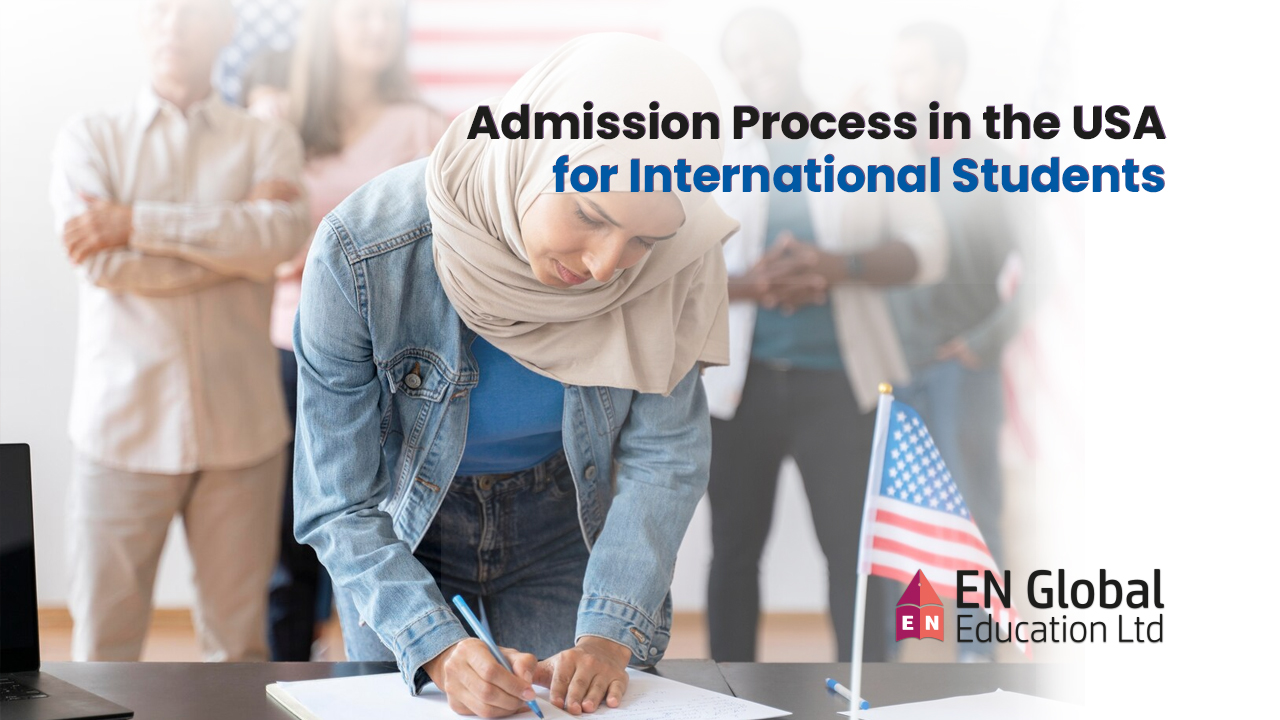
In order to study abroad as an international student, it is crucial to understand the visa and immigration process of the country you plan to study in. Navigating through the visa application process, understanding the types of student visas available, and preparing for visa interviews are essential steps to ensure a smooth transition to studying abroad.
Types of Student Visas
When applying for a student visa, it is important to know the different types available and their specific requirements. Some common types of student visas include:
- Student Visa (F-1 or M-1) in the United States
- Student Visa (Tier 4) in the United Kingdom
- Student Visa (Subclass 500) in Australia
Each type of student visa has its own set of requirements, such as proof of enrollment in a recognized institution, financial stability, and health insurance coverage. It is crucial to carefully review the specific requirements for the country you wish to study in.
Preparing for Visa Interviews
Visa interviews are a critical part of the visa application process. To prepare for a visa interview, international students should:
- Be familiar with their program of study and the institution they will be attending
- Provide all necessary documentation, such as acceptance letters, financial statements, and proof of ties to their home country
- Practice answering potential interview questions confidently and truthfully
It is important to approach the visa interview with honesty and clarity to demonstrate genuine intentions for studying abroad.
Maintaining Legal Status
Once international students arrive in their destination country, it is crucial to maintain legal status throughout their stay. Tips for maintaining legal status while studying abroad include:
- Attend all required classes and maintain a good academic standing
- Keep all visa documents up to date and in a safe place
- Inform the appropriate authorities of any changes in address or academic program
By following these tips, international students can ensure that they comply with visa regulations and have a successful study abroad experience.
Financial Planning and Scholarships: Student Admission Guide For International Students

International students planning to study abroad need to carefully consider the financial aspects involved to ensure a smooth transition and successful academic journey. This includes tuition fees, living expenses, and proper budgeting to cover all necessary costs.
Tuition Fees and Living Expenses
Before applying to study abroad, it is crucial to research and understand the tuition fees of the desired program or institution. Additionally, international students must also consider living expenses such as accommodation, food, transportation, and other miscellaneous costs. Creating a detailed budget can help students manage their finances effectively during their time abroad.
Scholarship Opportunities
International students have various scholarship opportunities available to help alleviate the financial burden of studying abroad. Scholarships can be offered by universities, governments, organizations, or private donors, and can cover tuition fees, living expenses, or both. It is essential for students to research and apply for scholarships that align with their academic achievements and financial needs.
Applying for Scholarships
When applying for scholarships, international students should start by researching different scholarship options and eligibility criteria. It is important to prepare all required documents, such as academic transcripts, recommendation letters, and personal statements, well in advance. Students should also pay attention to application deadlines and submit their applications on time to maximize their chances of receiving financial aid.
Transition and Orientation Support
Orientation programs play a crucial role in helping international students acclimate to a new academic and cultural environment. These programs provide essential information, resources, and guidance to ensure a smooth transition for students entering a foreign institution.
Importance of Orientation Programs
Orientation programs offer valuable support by familiarizing international students with campus facilities, academic expectations, and cultural norms. They help alleviate feelings of isolation, confusion, and homesickness, promoting a sense of belonging and community within the university.
- Introduce students to campus resources: Orientation programs help students navigate the various services available on campus, such as academic advising, counseling, health services, and student organizations.
- Provide cultural immersion: By organizing cultural events, workshops, and social activities, orientation programs facilitate cross-cultural interactions and promote understanding among students from diverse backgrounds.
- Address practical concerns: From setting up a bank account to understanding transportation options, orientation programs help international students tackle everyday challenges in a new country.
Challenges Faced by International Students, Student Admission Guide for International Students
International students often encounter obstacles when adjusting to a new academic and cultural setting. Some common challenges include language barriers, academic differences, social integration, and homesickness.
- Language barriers: Limited proficiency in the host country’s language can hinder academic performance, communication with peers, and engagement in classroom discussions.
- Academic differences: Differences in teaching styles, grading systems, and coursework expectations may pose challenges for international students accustomed to a different educational system.
- Social integration: Adapting to new social norms, making friends, and building a support network can be daunting for students far from home.
- Homesickness: Being away from family, friends, and familiar surroundings can lead to feelings of loneliness and nostalgia, affecting the overall well-being of international students.
Support Strategies for Universities
To assist international students during their initial days on campus, universities can implement various support strategies to enhance their transition experience.
- Peer mentorship programs: Pairing incoming international students with current students or alumni for guidance, advice, and social connections can help ease the transition process.
- Cultural competency training: Offering workshops on cultural adjustment, communication skills, and intercultural competence can better prepare international students for interactions in a diverse environment.
- Ongoing support services: Providing access to counseling services, academic support, language assistance, and social events throughout the academic year can help international students feel supported and connected.
Conclusive Thoughts
In conclusion, the Student Admission Guide for International Students serves as a valuable resource for navigating the complexities of studying abroad. By following the guidance Artikeld in this comprehensive guide, international students can embark on their educational journey with confidence and clarity, ready to embrace new challenges and opportunities.
FAQ Corner
What are the key components of a Student Admission Guide for International Students?
The key components include pre-application preparation, application process details, visa and immigration guidance, financial planning, scholarships, and transition support.
How important is it to research and shortlist potential universities or colleges before applying?
Researching and shortlisting universities or colleges is crucial as it helps students find the best fit for their academic and personal goals, increasing their chances of successful admission.
What types of student visas are available for international students?
International students can apply for different types of student visas, such as F-1 visas for academic studies and J-1 visas for exchange programs.
