 Jackson
Student Admission Guide for International Students offers invaluable insights and guidance for prospective students seeking to study abroad. From pre-arrival preparations to visa procedures and financial planning, this guide covers essential information to ensure a smooth transition into a new academic environment.
Exploring each aspect in depth, this guide aims to equip international students with the necessary knowledge and tools to navigate the complexities of the admission process with confidence.
Overview of Student Admission Guide for International Students
Having a comprehensive student admission guide is crucial for international students who are looking to study abroad. This guide serves as a roadmap, providing valuable information and insights into the admission process, requirements, and key deadlines.
Key Elements of a Student Admission Guide
- Application Process: Detailed explanation of the application process, including necessary documents and deadlines.
- Admission Requirements: Clear Artikel of academic prerequisites, language proficiency tests, and any additional requirements.
- Financial Aid Information: Information on scholarships, grants, and other financial aid opportunities available to international students.
- Campus Life: Insight into campus facilities, housing options, student services, and extracurricular activities.
- Visa and Immigration Guidance: Guidance on visa application procedures, immigration regulations, and important travel documents.
Examples of Successful Student Admission Guides
Stanford University: Stanford’s admission guide provides a comprehensive overview of the application process, financial aid options, and campus life, giving international students a clear understanding of what to expect.
University of Oxford: Oxford’s admission guide includes detailed information on academic requirements, English language proficiency tests, and visa guidance, ensuring that international applicants are well-informed throughout the admission process.
Pre-Arrival Preparation

Before embarking on their journey to study abroad, international students should ensure they have completed all necessary pre-arrival preparations to facilitate a smooth transition. This stage is crucial in ensuring that students are well-equipped to navigate their new environment and academic life effectively.
Gathering Important Documents
International students should gather all essential documents required for their travel and stay in the host country. This includes their passport, visa, acceptance letter from the educational institution, proof of financial resources, medical records, and any other relevant paperwork. It is important to have both physical and digital copies of these documents to avoid any inconvenience during travel or at immigration checkpoints.
Financial Planning
Another crucial aspect of pre-arrival preparation is financial planning. Students should have a clear understanding of the cost of living in their host country, tuition fees, and any other expenses they may incur. Setting up a bank account, arranging for currency exchange, and budgeting for their expenses are essential steps to take before arrival.
Accommodation Arrangements
Securing suitable accommodation before arriving in the host country is vital. Students should research housing options provided by their university or explore off-campus housing options. Making arrangements for temporary accommodation upon arrival can help ease the transition and provide a safe place to stay while settling in.
Health Insurance and Medical Care
Health insurance coverage is crucial for international students to access medical care in their host country. Students should research and purchase a suitable health insurance plan that meets their needs. Familiarizing themselves with healthcare facilities near their accommodation and understanding how to seek medical assistance are important aspects of pre-arrival preparation.
Cultural Orientation and Language Learning
Preparing for the cultural differences and language barriers they may encounter is essential for international students. Engaging in cultural orientation programs, language classes, and connecting with current students or alumni from their home country can help students acclimate to their new environment.
Developing cultural sensitivity and language skills before arrival can greatly enhance the overall study abroad experience.
Travel Arrangements and Itinerary
Finally, international students should make necessary travel arrangements and create a detailed itinerary for their journey. Booking flights, arranging for airport transfers, and planning transportation from the airport to their accommodation are important logistical considerations. Having a well-organized travel plan can reduce stress and ensure a smooth arrival in the host country.
Visa and Immigration Procedures
When it comes to studying abroad, one of the most crucial aspects for international students is navigating the visa and immigration procedures of the host country. Understanding the visa application process, the types of student visas available, and the common challenges faced during these procedures is essential for a smooth transition to a new country.
Types of Student Visas and Requirements
- Student Visa (F-1 or M-1): This type of visa is typically required for full-time students enrolled in an academic program at a U.S. institution. The requirements may include a valid passport, SEVIS fee payment, acceptance letter from the educational institution, proof of financial support, and intent to return to home country after studies.
- Exchange Visitor Visa (J-1): This visa is for students participating in exchange programs, such as Fulbright. Requirements may include a sponsorship from an exchange program, proof of English proficiency, and a home-country residence requirement.
- Dependent Visa: Spouses and children of international students may be eligible for a dependent visa to accompany the student during their studies. Requirements vary depending on the host country.
Challenges Faced by International Students
- Delays in Processing: Visa processing times can vary, leading to potential delays in travel plans and enrollment at the educational institution.
- Financial Documentation: Providing sufficient proof of financial resources to cover tuition fees, living expenses, and other costs can be challenging for some students.
- Language Barriers: Understanding the visa application requirements and communicating with immigration officials may pose challenges for students with limited proficiency in the host country’s language.
- Changes in Immigration Policies: Immigration policies and regulations can change frequently, causing confusion and uncertainty for international students.
Academic Requirements and Application Process
When applying to universities as an international student, it is crucial to understand the academic qualifications required and the application process. Meeting the academic requirements and submitting a strong application can significantly improve your chances of acceptance.
Academic Qualifications
To apply to universities as an international student, you typically need to meet certain academic qualifications. These may include a high school diploma or equivalent, standardized test scores (such as the SAT or ACT), letters of recommendation, and a statement of purpose.
Some universities may also require English proficiency test scores, like the TOEFL or IELTS, especially if English is not your first language.
- High school diploma or equivalent
- Standardized test scores (SAT, ACT)
- Letters of recommendation
- Statement of purpose
- English proficiency test scores (TOEFL, IELTS)
Application Process
The application process for international students usually involves several steps. First, research and shortlist the universities you are interested in. Then, gather all necessary documents, including academic transcripts, test scores, and letters of recommendation. Next, complete the online application form and pay the application fee.
Make sure to submit all required documents by the deadline.
- Research and shortlist universities
- Gather necessary documents
- Complete online application form
- Pay application fee
- Submit all required documents by deadline
Tips for Strengthening Your Application
To enhance your application as an international student, consider the following tips:
- Ace standardized tests: Prepare thoroughly for exams like the SAT or ACT to achieve competitive scores.
- Write a compelling statement of purpose: Clearly articulate your goals, interests, and reasons for applying to a particular university.
- Secure strong letters of recommendation: Choose recommenders who can speak to your academic abilities and potential.
- Showcase extracurricular activities: Highlight any leadership roles, community service, or unique experiences that demonstrate your well-roundedness.
- Improve English proficiency: If English is not your first language, practice and study to excel in language proficiency exams.
Financial Planning and Scholarships
When it comes to studying abroad as an international student, financial planning is a crucial aspect that requires careful consideration. From tuition fees to living expenses, there are various costs involved in pursuing higher education in a foreign country. In addition, navigating scholarship opportunities can significantly help alleviate the financial burden and make studying abroad more affordable.
Creating a Budget and Managing Expenses
Creating a budget is essential for international students to effectively manage their expenses while studying abroad. Here are some tips to help you stay on track financially:
- Start by listing all your sources of income, including scholarships, part-time jobs, or financial aid.
- Estimate your expenses, such as tuition fees, accommodation, food, transportation, and other miscellaneous costs.
- Differentiate between essential expenses and discretionary spending to prioritize your budget.
- Track your expenses regularly to ensure you are staying within your budget and make adjustments if necessary.
- Look for opportunities to save money, such as cooking meals at home, using public transportation, or taking advantage of student discounts.
Scholarship Opportunities for International Students
Scholarships play a vital role in making studying abroad more accessible for international students. Here are some common types of scholarships and tips on how to apply for them:
- Merit-based scholarships: Awarded based on academic excellence, extracurricular achievements, or other criteria.
- Need-based scholarships: Granted to students who demonstrate financial need to support their education.
- Country-specific scholarships: Offered by governments or organizations to students from specific countries.
- Institutional scholarships: Provided by universities or colleges to attract talented international students.
Tip: Research scholarship opportunities early, meet application deadlines, and submit a compelling application that highlights your achievements and qualifications.
Housing and Accommodation Options: Student Admission Guide For International Students

When studying in a foreign country, finding suitable housing is crucial for international students. It is important to explore the various options available and understand the pros and cons of each choice. Here, we will discuss on-campus and off-campus housing choices and provide tips on securing accommodation in your host country.
On-Campus Housing
- On-campus housing is convenient as it is usually located close to academic buildings, making it easy to get to classes.
- Living on campus allows for a sense of community and involvement in campus activities, helping students to make friends and adjust to university life.
- However, on-campus housing may be more expensive compared to off-campus options, and availability can be limited.
Off-Campus Housing
- Off-campus housing provides more independence and flexibility for students, allowing them to choose their living situation and location.
- Living off-campus may offer a wider range of housing options, including apartments, shared houses, and homestays.
- However, commuting to campus from off-campus housing can be time-consuming, and students may miss out on the community aspect of on-campus living.
Tips for Securing Accommodation, Student Admission Guide for International Students
- Start your search early to have more options available and to secure housing before arriving in the host country.
- Research different neighborhoods and housing options to find a place that suits your preferences and budget.
- Reach out to your university’s international student office or housing services for assistance and recommendations.
- Consider joining social media groups or forums for international students in your host country to connect with others and seek housing advice.
- Be cautious of scams and always verify the legitimacy of housing listings before making any payments or commitments.
Orientation Programs and Support Services
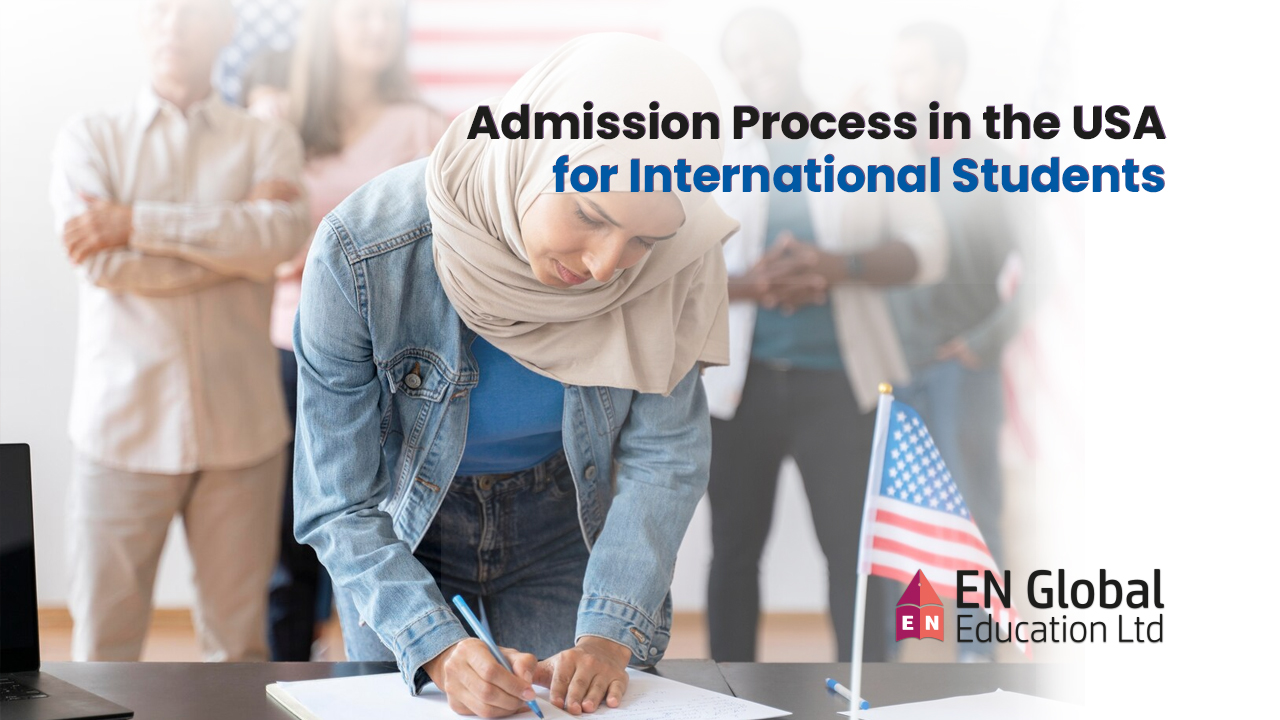
Orientation programs and support services play a crucial role in helping international students transition smoothly into their new academic and social environment. These programs are designed to provide students with the necessary information, resources, and support to help them adapt to their new surroundings and succeed in their academic pursuits.
Orientation Programs Offered by Universities
Orientation programs offered by universities typically include a range of activities such as campus tours, information sessions on academic policies and procedures, cultural orientation sessions, and social events to help students connect with their peers. These programs are designed to familiarize students with the campus facilities, academic expectations, and cultural norms of the university.
Support Services for International Students
Support services available to international students often include academic advising, counseling services, language support programs, and cultural adjustment workshops. Universities also provide assistance with practical matters such as housing, healthcare, and legal issues. These services are aimed at helping international students navigate the challenges of studying abroad and ensuring their well-being throughout their academic journey.
Examples of Successful Orientation Programs
- The University of Melbourne in Australia offers a comprehensive orientation program that includes academic workshops, social events, and campus tours to help international students acclimate to their new environment.
- Stanford University in the United States provides a mentorship program where international students are paired with current students or alumni who offer guidance and support throughout their transition.
- The University of Tokyo in Japan organizes cultural exchange events and language exchange programs to facilitate interaction between international students and local students, promoting cross-cultural understanding and integration.
Outcome Summary
In conclusion, Student Admission Guide for International Students serves as a roadmap for students aspiring to pursue education in a foreign country. By following the recommendations and tips provided in this guide, students can enhance their chances of securing admission and making the most of their academic journey abroad.
Clarifying Questions
What are some common challenges faced by international students during visa procedures?
International students often encounter challenges related to document requirements, language barriers, and understanding the specific regulations of the host country.
How can international students improve their chances of acceptance to universities?
International students can enhance their applications by showcasing strong academic qualifications, relevant extracurricular activities, and compelling personal statements that highlight their unique qualities.
What are the different housing options available to international students?
International students can choose between on-campus dormitories, off-campus apartments, homestays, or shared accommodations with other students.
What support services do universities offer to help international students adjust to a new environment?
Universities typically provide orientation programs, counseling services, language support, and cultural integration activities to assist international students in adapting to their new surroundings.