 irwan irwan
As Student Admission Process: Step-by-Step Guide for First-Time Applicants takes center stage, this opening passage beckons readers with dream author style into a world crafted with good knowledge, ensuring a reading experience that is both absorbing and distinctly original.
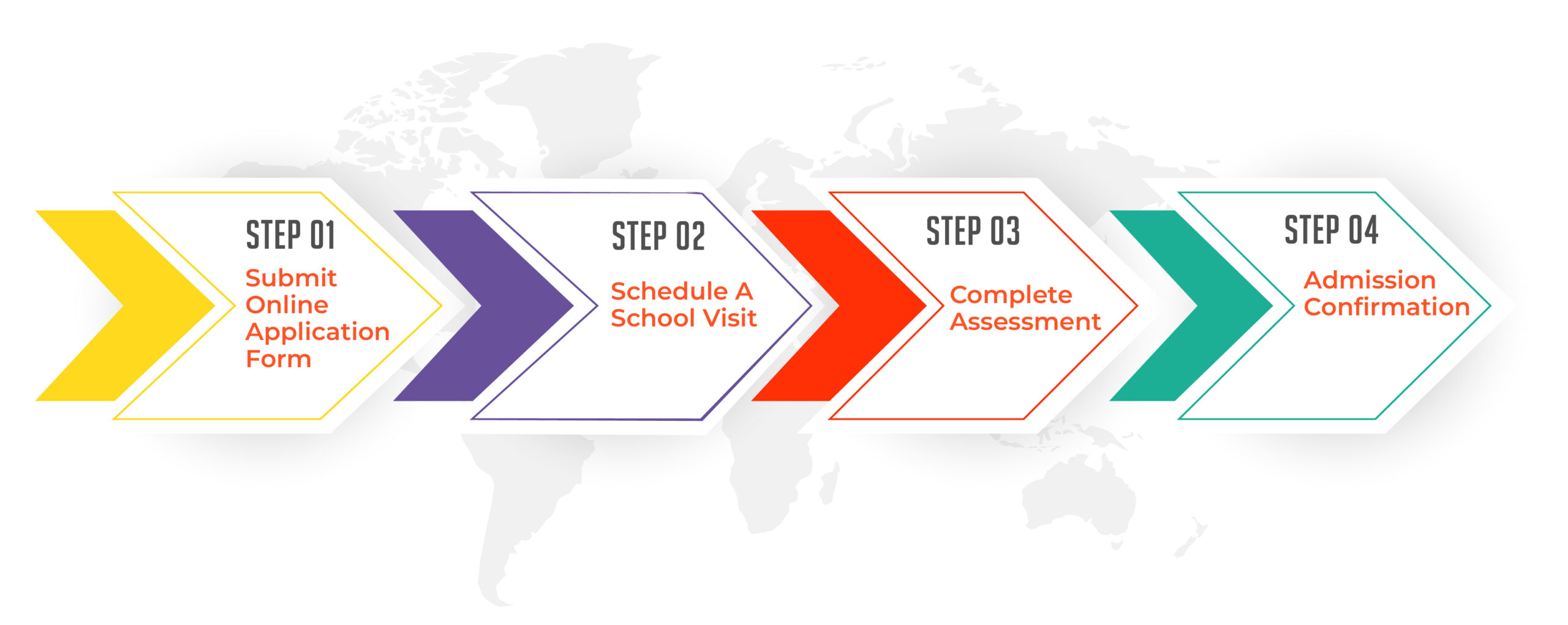
The journey begins with understanding the importance of the admission process and moves on to exploring schools, meeting application requirements, crafting personal statements, preparing for interviews, seeking financial aid, and finally, the acceptance and enrollment process.
Introduction to Student Admission Process

Starting the journey of applying to colleges can be overwhelming for first-time applicants. Understanding the student admission process is crucial to ensure a smooth and successful application experience. Let’s dive into what this process entails and why following a step-by-step guide is essential for aspiring students.
Overview of Student Admission Process
- Researching potential colleges and universities to find the best fit for your academic and personal goals.
- Gathering all necessary documents, such as transcripts, test scores, letters of recommendation, and personal statements.
- Completing the application forms for each institution you are interested in, paying attention to deadlines and requirements.
- Preparing for and taking standardized tests, if required by the colleges you are applying to.
Remember, each step in the admission process plays a crucial role in determining your chances of getting accepted into your dream school.
Significance of Following a Step-by-Step Guide
- Helps applicants stay organized and on track with deadlines, reducing the risk of missing important requirements.
- Ensures that all necessary materials are submitted correctly, increasing the likelihood of a successful application.
- Provides a clear roadmap for navigating the complex college application process, minimizing stress and confusion.
Researching Potential Schools: Student Admission Process: Step-by-Step Guide For First-Time Applicants
Researching potential schools before starting the admission process is crucial to ensure you find the best fit for your academic and personal goals. By exploring different options, you can make an informed decision that sets you up for success in your educational journey.When researching potential schools, consider the following factors:
Programs Offered
- Look into the specific programs offered by each school and determine if they align with your interests and career aspirations.
- Check for any specialized tracks, opportunities for internships or research, and the overall curriculum structure.
- Consider the faculty members and their expertise in the field you wish to pursue.
Location and Campus Life
- Evaluate the location of the school and assess if it suits your preferences in terms of urban or rural settings, climate, and proximity to home.
- Explore the campus facilities, housing options, extracurricular activities, and student organizations available.
- Think about the overall vibe of the campus and whether it fosters a sense of community and belonging.
Reputation and Ranking, Student Admission Process: Step-by-Step Guide for First-Time Applicants
- Look into the reputation of the school within your desired field of study and the overall academic community.
- Check for any accreditations, awards, or recognition that the school has received.
- Compare the rankings of different schools and understand how they are perceived in the educational landscape.
Application Requirements
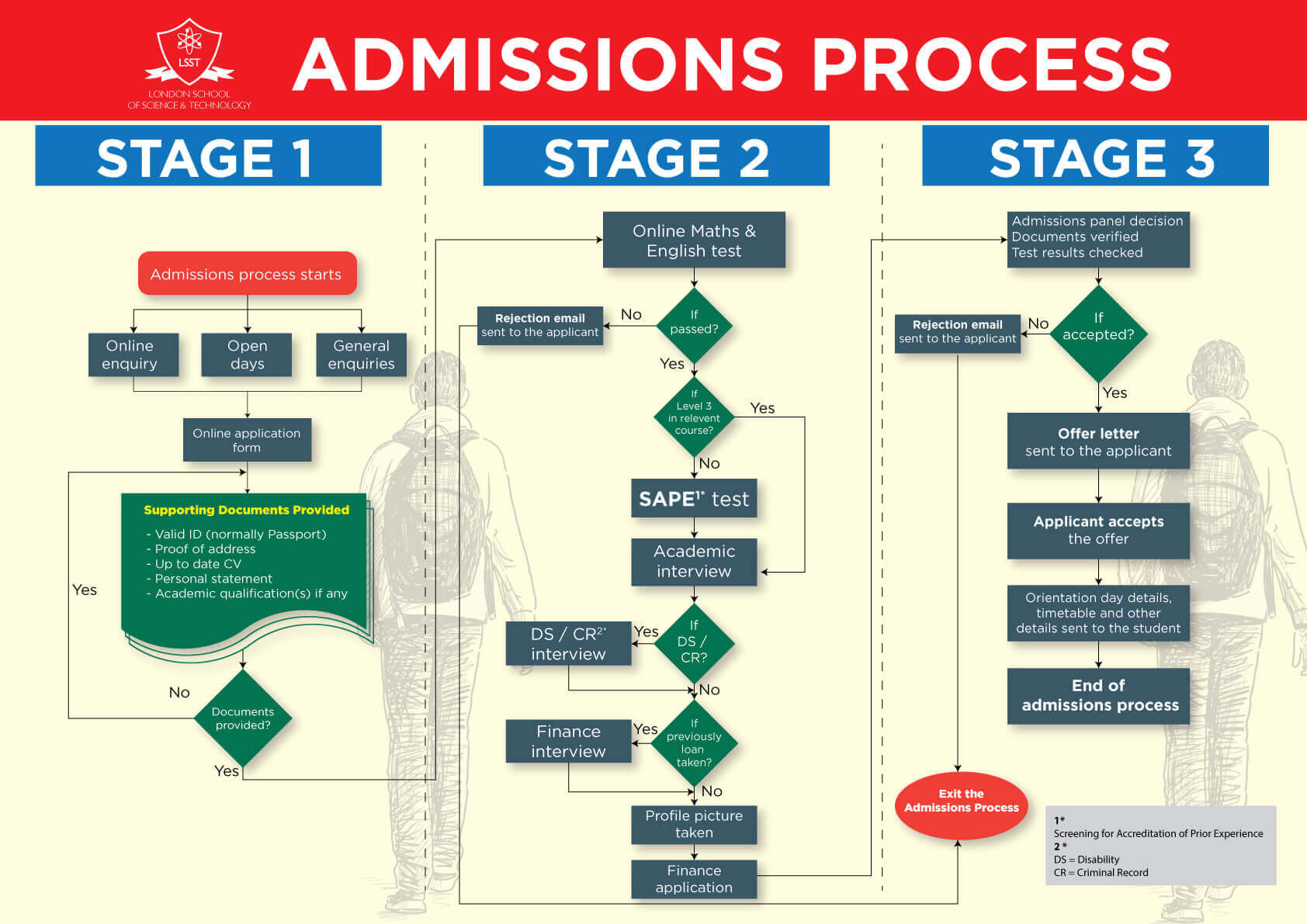
When it comes to applying for student admission, there are certain requirements that you need to fulfill in order to complete your application successfully. These requirements are crucial in determining your eligibility for the school or program you are applying to.
Common Documents and Information
- Completed application form
- Official high school transcripts
- Standardized test scores (SAT, ACT, etc.)
- Letters of recommendation
- Personal statement or essay
- Resume (if applicable)
It is important to make sure that you provide all the necessary documents and information to avoid delays in the application process.
Meeting Application Deadlines
Meeting application deadlines is crucial as missing them could result in your application not being considered for admission. Make sure to keep track of all deadlines and submit your application well in advance to avoid any last-minute issues.
Obtaining Recommendation Letters and Transcripts
When it comes to recommendation letters and transcripts, it is important to request them from the right people and institutions. Make sure to provide clear instructions to your recommenders and school officials to ensure that they are submitted on time and in the correct format.
Writing Personal Statements or Essays
When it comes to the student admission process, personal statements or essays play a crucial role in showcasing who you are beyond your grades and test scores. Admissions officers use these essays to get a sense of your personality, values, and goals, so it’s important to put your best foot forward when writing them.
Importance of Personal Statements or Essays
Personal statements or essays are your opportunity to stand out from the crowd and make a memorable impression on the admissions committee. They allow you to tell your unique story, share your passions, and demonstrate why you are a good fit for the school you are applying to.
A well-written personal statement can make a huge difference in your application and increase your chances of being accepted.
- Be authentic and genuine: Write from the heart and be true to yourself. Admissions officers can spot insincerity from a mile away.
- Show, don’t tell: Instead of listing your achievements, illustrate them with specific examples and anecdotes that highlight your strengths and experiences.
- Highlight your growth and resilience: Admissions officers want to see how you have overcome challenges and grown as a person. Share your setbacks and how you have learned from them.
- Stay focused and organized: Make sure your essay has a clear structure and flows well from one point to the next. Avoid rambling or going off on tangents.
Examples of Successful Personal Statements and Essays
One example of a successful personal statement is a student who wrote about their passion for environmental conservation and how it stemmed from a childhood trip to a national park. The student shared how this experience shaped their values and career aspirations, demonstrating a strong connection between their personal story and their academic goals.Another example is a student who wrote about their experience volunteering at a local shelter for homeless individuals.
The student highlighted the impact this volunteer work had on their perspective on social issues and their desire to pursue a career in social work. This essay showcased the student’s compassion, empathy, and commitment to making a difference in their community.Overall, personal statements and essays are a chance for you to show admissions officers who you are beyond the numbers.
Take the time to craft a compelling and authentic essay that reflects your unique voice and experiences. Good luck!
Interview Preparation
Preparing for admission interviews is a crucial step in the student admission process. It gives the school a chance to get to know you beyond your application and test scores. Here are some tips on how to ace your admission interview:
Dress to Impress
When it comes to dressing for an admission interview, it’s best to keep it professional and polished. Opt for business casual attire, such as a button-down shirt or blouse with slacks or a skirt. Avoid overly casual clothing like jeans or sneakers.
Conduct Yourself with Confidence
During the interview, remember to maintain eye contact, offer a firm handshake, and speak clearly and confidently. Show enthusiasm for the school and the program you are applying to. Be yourself and let your personality shine through.
Common Interview Questions and Effective Responses
“Tell me about yourself”
Prepare a concise overview of your background, interests, and goals.
“Why do you want to attend this school?”
Research the school’s programs and values, and tailor your response accordingly.
“What are your strengths and weaknesses?”
Highlight your strengths with examples and show how you are working on improving your weaknesses.
“Where do you see yourself in five years?”
Share your aspirations and how you plan to achieve them.Remember, the key to a successful admission interview is preparation and authenticity. Good luck!
Financial Aid and Scholarships
Exploring financial aid options and scholarships is crucial for many students, as it can significantly reduce the financial burden of higher education. By securing financial aid, students can focus on their studies without worrying about the costs associated with attending college.
Researching Financial Aid and Scholarships
- Start by researching different financial aid options available, such as grants, loans, and work-study programs.
- Look into scholarships offered by the school, external organizations, or specific programs for which you may qualify.
- Check the eligibility criteria and application deadlines for each financial aid opportunity to ensure you meet the requirements.
- Consider reaching out to the school’s financial aid office for guidance on the application process and available resources.
Applying for Financial Aid and Scholarships
- Gather all necessary documents, such as tax returns, bank statements, and personal identification, to complete the financial aid application.
- Fill out the Free Application for Federal Student Aid (FAFSA) form to determine your eligibility for federal financial aid programs.
- Submit scholarship applications with well-written essays, letters of recommendation, and any other required materials to increase your chances of receiving financial assistance.
- Follow up with the financial aid office to ensure your application is complete and to address any questions or concerns they may have.
Impact of Financial Aid on Student Admission Process
- Receiving financial aid can make a significant difference in your ability to afford college tuition, fees, and other expenses.
- Financial aid packages may influence your decision on which school to attend, as the amount of aid offered can vary between institutions.
- Securing scholarships can also enhance your academic resume and make you a more competitive applicant during the admission process.
- By exploring financial aid options early on and applying for scholarships diligently, you can pave the way for a smoother student admission process and a more affordable college experience.
Acceptance and Enrollment
Upon receiving that long-awaited acceptance letter, it’s time to celebrate and start preparing for the next chapter of your academic journey. Here’s a breakdown of what to expect and what steps to take once you are accepted into a school.
Receiving Acceptance Letters and Enrollment
- After receiving an acceptance letter, carefully review the details provided, including any deadlines for confirming enrollment.
- Follow the instructions Artikeld in the acceptance letter to officially accept the offer of admission.
- Complete any required enrollment forms and submit any necessary documentation to secure your spot at the school.
Important Steps After Acceptance
- Once accepted, take the time to familiarize yourself with the school’s campus, programs, and resources.
- Reach out to current students or alumni to learn more about their experiences and get tips for a successful transition.
- Attend any orientation sessions or events offered by the school to get acquainted with the campus and meet fellow students.
Confirming Enrollment and Paying Deposits
- Confirming your enrollment is crucial to secure your spot at the school, so make sure to do so by the specified deadline.
- Pay any required deposits or fees to secure your place in the incoming class.
- Keep track of important dates and deadlines related to enrollment to ensure a smooth transition into your new academic environment.
Epilogue
In conclusion, the Student Admission Process: Step-by-Step Guide for First-Time Applicants equips individuals with the necessary tools and knowledge to navigate the complex journey of applying to schools with confidence and clarity. May this guide serve as a beacon of light for all those embarking on this transformative path.
Key Questions Answered
What should I consider when researching potential schools?
Factors to consider include programs offered, location, reputation, and campus facilities.
How important are personal statements in the admission process?
Personal statements provide insight into the applicant’s character, experiences, and aspirations, making them a crucial part of the application.
What steps should I take once I receive an acceptance letter?
Upon receiving an acceptance letter, confirm enrollment, pay any necessary deposits, and prepare for the next steps in the enrollment process.
