 Jackson
Starting with Student Admission Requirements for International Programs, this paragraph aims to intrigue and inform readers about the vital aspects of meeting admission criteria for academic success. It delves into the significance of aligning requirements with program objectives, highlighting the impact on a student’s academic journey.
Further elaborating on the common criteria, challenges faced by international students, and strategies to enhance applications, this narrative unfolds with each word, guiding aspiring students towards success in international programs.
Importance of Student Admission Requirements
Admission requirements for international programs play a crucial role in ensuring that students are well-suited for the academic challenges ahead. Meeting these requirements can greatly impact a student’s academic journey by setting a strong foundation for success and ensuring that they have the necessary skills and knowledge to thrive in the program.
Alignment with Program Objectives
It is essential to align admission criteria with the program’s objectives to ensure that students are prepared to meet the academic standards and expectations set by the institution. By setting clear requirements that are in line with the program’s goals, students can enter the program with a clear understanding of what is expected of them and how they can succeed.
Impact on Academic Journey
Meeting admission requirements can positively impact a student’s academic journey by providing them with the necessary skills and knowledge to excel in their studies. For example, requiring a certain level of language proficiency ensures that students can effectively communicate and engage with course materials, leading to better academic performance and overall success in the program.
Common Admission Criteria for International Programs

When applying for international programs, students need to meet specific criteria to be considered for admission. These criteria typically include academic prerequisites, as well as non-academic requirements.
Academic Prerequisites, Student Admission Requirements for International Programs
- Grade Point Average (GPA): Many international programs require a minimum GPA for admission. This helps assess a student’s academic performance throughout their previous studies.
- Standardized Test Scores: Some programs may require students to submit scores from standardized tests such as the SAT or ACT. These scores help universities evaluate a student’s readiness for higher education.
- Language Proficiency: For international students, demonstrating proficiency in the language of instruction is crucial. This is often done through standardized tests like the TOEFL or IELTS.
Non-Academic Requirements
- Recommendation Letters: Many programs ask for letters of recommendation from teachers or mentors who can speak to a student’s character, work ethic, and potential for success.
- Essays: Writing a personal statement or essay is a common requirement for international program applications. This allows students to showcase their goals, aspirations, and why they are a good fit for the program.
- Interviews: Some programs may require an interview as part of the admission process. This gives students the opportunity to discuss their background, interests, and motivations with admissions staff.
Undergraduate vs. Graduate Admission Process
| Aspect | Undergraduate Programs | Graduate Programs |
|---|---|---|
| Academic Prerequisites | Focus on high school performance and standardized tests. | Emphasize undergraduate degree performance and standardized tests like the GRE or GMAT. |
| Non-Academic Requirements | May require recommendation letters, essays, and extracurricular activities. | Often include professional experience, research background, and specific career goals. |
| Admission Competition | Generally more competitive due to a larger pool of applicants. | Competitive with a focus on specialized knowledge and research potential. |
Special Considerations for International Students
When it comes to international students applying to universities, there are several special considerations that need to be taken into account to ensure a smooth admission process.
Challenges Faced by International Students
- Language barriers: International students may face challenges with English proficiency, affecting their ability to complete application forms and provide required documents.
- Different educational systems: Universities need to understand the grading systems and academic standards of various countries to properly evaluate international credentials.
- Financial constraints: International students may struggle with tuition fees, visa costs, and other expenses associated with studying abroad.
Assessment of International Credentials
- Universities typically use credential evaluation services to assess international transcripts and qualifications, ensuring they meet the academic requirements for admission.
- Transcripts may need to be translated into English and evaluated for equivalency to the local education system to determine eligibility.
Cultural Awareness and Sensitivity in Evaluation
- Admissions officers need to be culturally sensitive and aware of the diverse backgrounds of international applicants to avoid biases in the evaluation process.
- Understanding cultural differences can help universities better assess an applicant’s experiences, achievements, and qualifications in the context of their home country.
Strategies to Enhance International Student Applications: Student Admission Requirements For International Programs
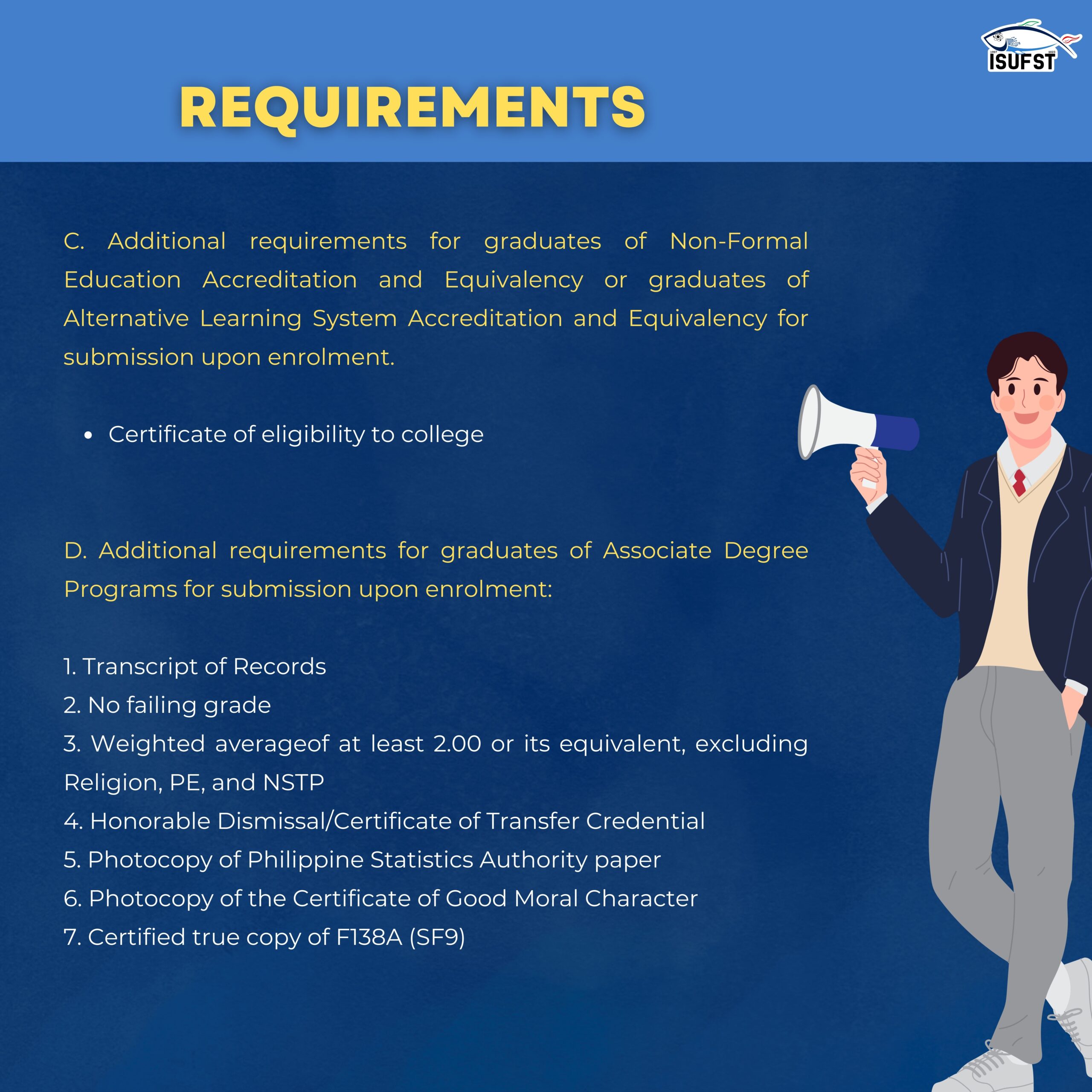
To stand out in the competitive world of international student admissions, it’s crucial to enhance your application with compelling personal statements, strong recommendation letters, and effective demonstrations of language proficiency.
Crafting Compelling Personal Statements and Essays
When crafting your personal statement or essay, it’s essential to showcase your unique experiences, motivations, and goals. Be authentic and reflective, illustrating how your background has shaped your aspirations. Use concrete examples to support your claims and make sure to tailor your statements to each program you’re applying to.
Securing Strong Recommendation Letters
To secure strong recommendation letters, reach out to diverse sources who can speak to different aspects of your character and capabilities. Consider approaching professors, employers, or mentors who can provide specific examples of your skills and achievements. Provide them with clear information about the programs you’re applying to and why you’re a strong candidate.
Demonstrating Language Proficiency Effectively
International students can demonstrate their language proficiency effectively by taking standardized tests like the TOEFL or IELTS. Additionally, submitting writing samples or academic transcripts in English can showcase your language skills. Engaging in language exchange programs or online language courses can also help improve your proficiency and demonstrate your commitment to academic success.
Last Point
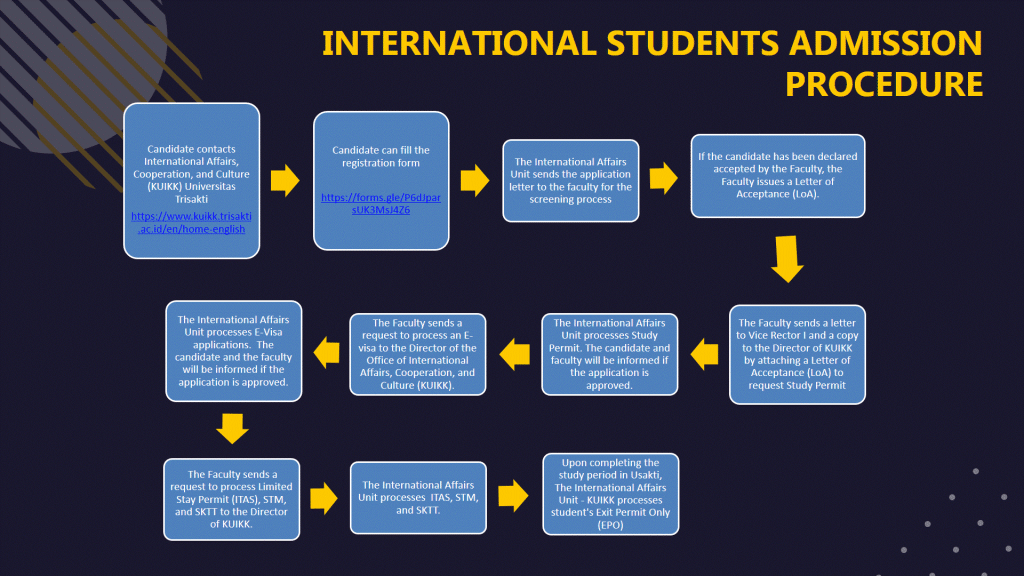
In conclusion, understanding and meeting student admission requirements for international programs are pivotal steps towards a successful academic pursuit. By aligning with program objectives, addressing challenges, and implementing enhancement strategies, students can navigate the admission process with confidence and purpose, paving the way for a rewarding educational experience.
Query Resolution
What are some common non-academic requirements for international program admissions?
Non-academic requirements may include recommendation letters, essays, and interviews to assess a student’s suitability beyond academic achievements.
How can international students demonstrate their language proficiency effectively?
International students can demonstrate language proficiency through standardized tests like TOEFL or IELTS, or by submitting certificates from language courses.
Why is cultural awareness important in the evaluation of international applicants?
Cultural awareness is crucial as it ensures that international applicants can adapt to diverse academic environments and contribute positively to the university community.