
 Jackson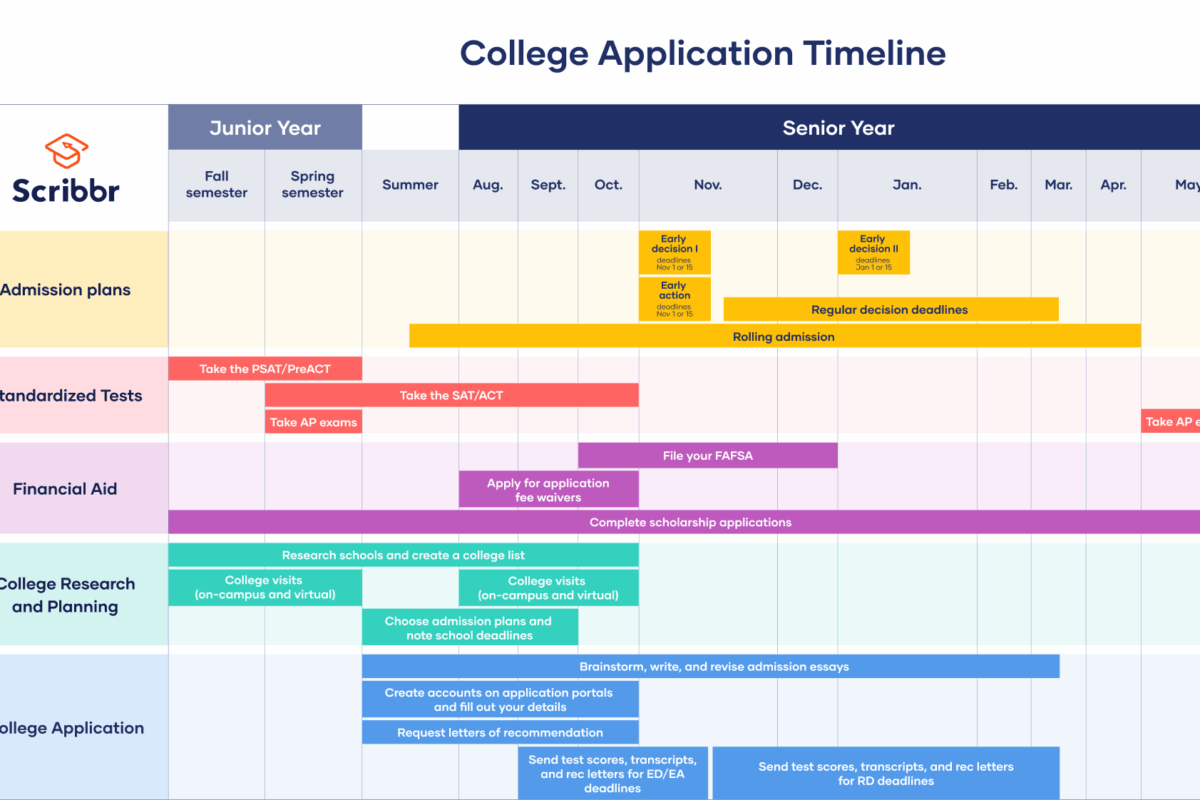
With Student Admission Guide: From Application to Acceptance at the forefront, this paragraph opens a window to an amazing start and intrigue, inviting readers to embark on a journey filled with unexpected twists and insights. From understanding the admission process to making decisions and accepting offers, this guide will equip you with the knowledge needed for a successful application experience.
Overview of Student Admission Process
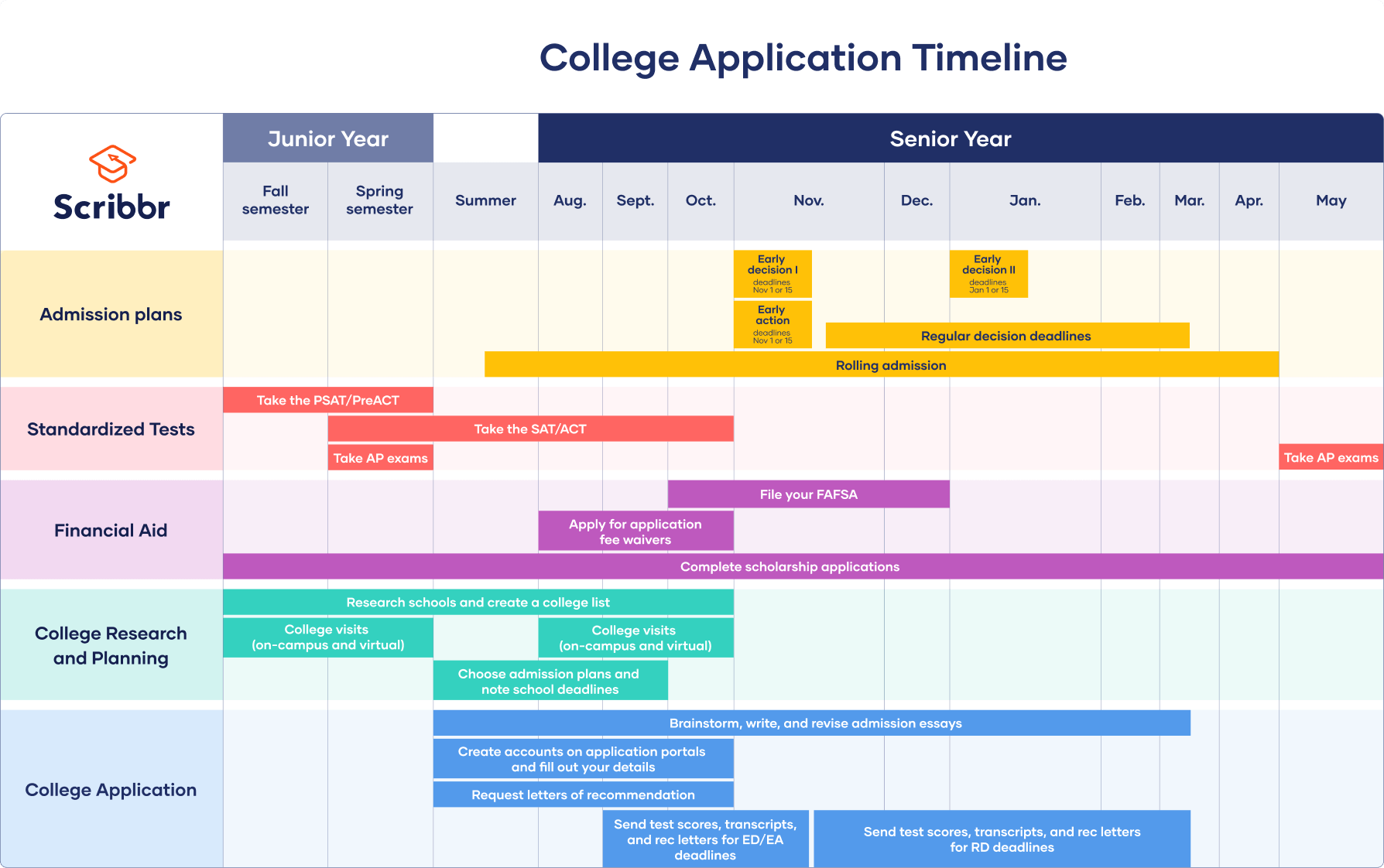
In the student admission process, aspiring students go through various stages from submitting their applications to receiving acceptance letters from educational institutions. This process is crucial for determining which students will be admitted to a particular program or school. Let’s break down the key stages and timeline involved in the student admission process.
Key Stages in the Admission Process
- Application Submission: Prospective students submit their applications along with required documents such as transcripts, recommendation letters, and personal statements.
- Evaluation: Admissions committees review the applications based on academic performance, extracurricular activities, essays, and other criteria to assess the suitability of candidates.
- Interviews: Some programs or schools may require applicants to participate in interviews to further evaluate their qualifications and fit for the program.
- Admission Decision: After thorough evaluation, the admissions committee makes decisions on which applicants will be offered admission to the program.
- Acceptance: Accepted students receive formal acceptance letters or emails outlining the terms of their admission, including deadlines for enrollment and any conditions to be met.
Typical Timeline for Student Admissions
The student admission process generally follows a timeline that varies depending on the program or institution. However, a typical timeline may look like:
| Stage | Timeline |
|---|---|
| Application Submission | Usually opens several months before the program start date |
| Evaluation | Takes place after the application deadline, can last several weeks to months |
| Interviews | Conducted after initial evaluation, may occur within a specific timeframe |
| Admission Decision | Typically communicated a few weeks after interviews or evaluation |
| Acceptance | Students receive acceptance letters or emails with enrollment deadlines |
Application Requirements
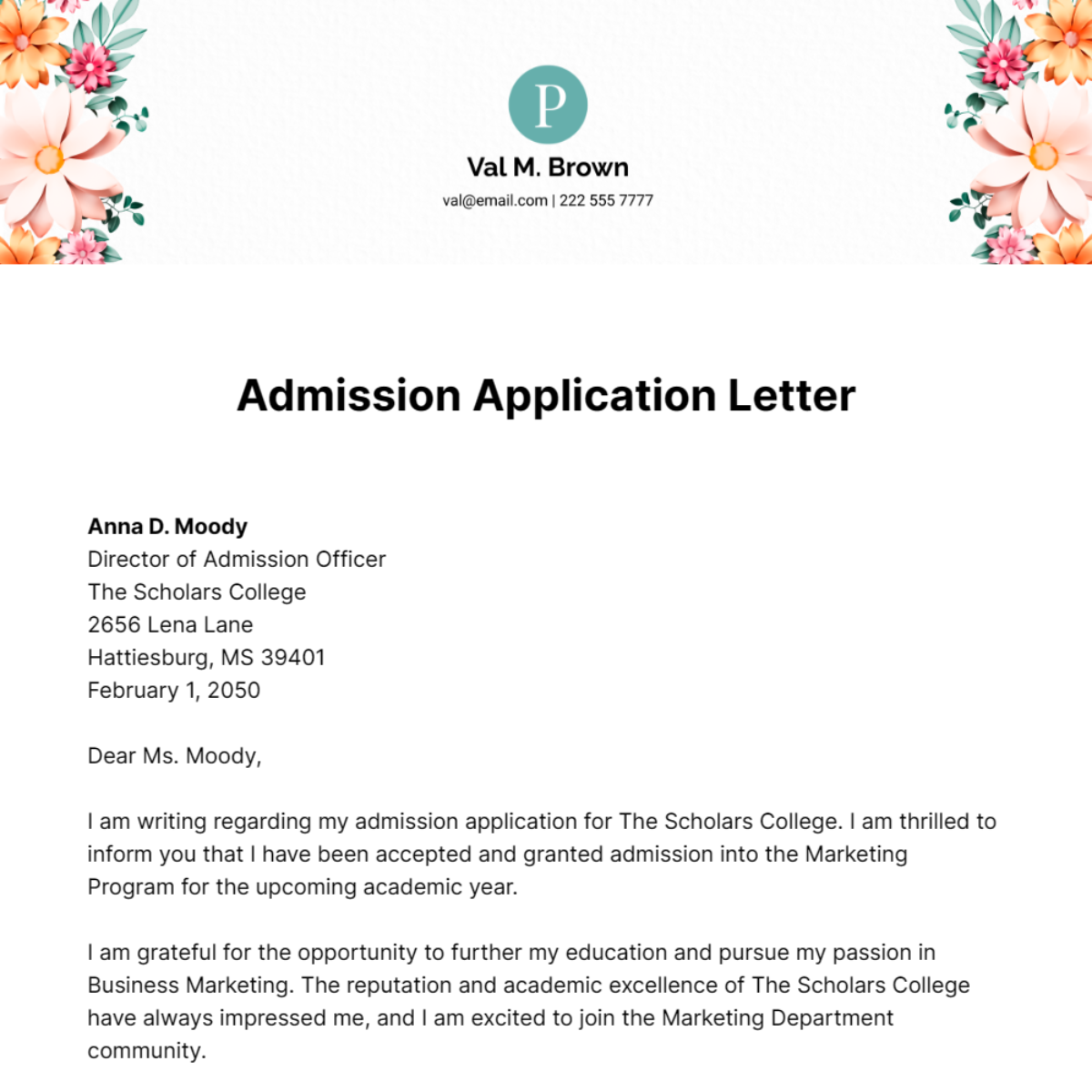
When applying to colleges or universities, students need to prepare a set of documents to complete their application. These documents are essential in providing a comprehensive view of the student’s academic background, extracurricular activities, and personal qualities.
Common Documents for Application
- Transcripts: High school transcripts showing grades and courses taken.
- Standardized Test Scores: SAT, ACT, or other required test scores.
- Letters of Recommendation: Typically from teachers, counselors, or mentors.
- Personal Statement or Essay: A written piece detailing the student’s goals and aspirations.
- Extracurricular Activity List: A record of involvement in clubs, sports, volunteer work, etc.
Importance of Letters of Recommendation
Letters of recommendation play a crucial role in the application process as they provide insight into the student’s character, work ethic, and potential for success. These letters are typically written by individuals who know the student well and can speak to their abilities and achievements.
Standardized Test Scores in Application
Standardized test scores, such as the SAT or ACT, are used by colleges and universities to assess a student’s academic abilities and potential. While not the only factor considered in the application process, these scores can help admissions officers evaluate a student’s readiness for college-level work.
Personal Statement and Essays
When it comes to the student admission process, the personal statement and essays play a crucial role in showcasing the applicant’s unique qualities, experiences, and aspirations. A well-crafted personal statement can set an applicant apart from the competition and provide insight into who they are beyond their academic achievements.
Significance of a Well-Crafted Personal Statement
A well-written personal statement allows applicants to express their motivations, values, and goals in a way that cannot be captured by grades or test scores alone. It provides admission committees with a glimpse into the applicant’s personality, character, and potential fit within the academic community.
Tips for Writing Compelling Admissions Essays, Student Admission Guide: From Application to Acceptance
- Start early and brainstorm ideas to ensure ample time for revisions.
- Show, don’t tell – use specific examples and anecdotes to illustrate key points.
- Be authentic and honest, showcasing your true self rather than what you think the committee wants to hear.
- Highlight your strengths and unique qualities that make you a valuable addition to the institution.
- Proofread carefully to ensure clarity, coherence, and error-free writing.
How Personal Statements Help Admission Committees Evaluate Applicants
Personal statements provide admission committees with a holistic view of the applicant, allowing them to assess qualities such as critical thinking, communication skills, creativity, and self-awareness. By reading personal statements, committees can evaluate an applicant’s potential for success in the academic program and contribution to the campus community.
Financial Aid and Scholarships
Financial aid plays a crucial role in the student admission process by helping students afford the cost of higher education. It provides financial support to students who may not be able to pay for college on their own, making it possible for them to pursue their academic goals.
Types of Scholarships
Scholarships come in various forms and are awarded based on different criteria. Here are some common types of scholarships available to students:
- Merit-based scholarships: Awarded to students based on academic, athletic, artistic, or other achievements.
- Need-based scholarships: Awarded to students who demonstrate financial need.
- Minority scholarships: Targeted towards students from underrepresented minority groups.
- Subject-specific scholarships: Awarded to students pursuing studies in a specific field or major.
Searching for and Applying for Scholarships
When searching for scholarships, students can utilize online scholarship databases, check with their school’s financial aid office, and explore opportunities offered by community organizations and businesses. Here are some steps to guide students through the scholarship application process:
- Start early: Begin searching for scholarships well before the application deadlines.
- Research eligibility criteria: Make sure to meet all the requirements before applying for a scholarship.
- Prepare necessary documents: Gather transcripts, letters of recommendation, and essays required for the application.
- Submit applications on time: Be mindful of deadlines and submit all required materials before the due date.
- Follow up: After applying, check the status of your application and follow up if necessary.
Campus Visits and Interviews
Campus visits and interviews play a crucial role in the student admission process. These interactions provide the admissions committee with a more comprehensive understanding of the applicant beyond what is written in their application. It allows them to assess the applicant’s fit for the institution and determine if they will contribute positively to the campus community.
Importance of Campus Visits
Visiting the campus gives prospective students a firsthand experience of the academic environment, facilities, and overall atmosphere. It allows them to envision themselves as part of the community and assess if the campus aligns with their academic and personal goals.
- Observe the campus culture and student life to see if it matches your preferences.
- Interact with current students and faculty members to gain insights into the academic programs and extracurricular opportunities.
- Demonstrate your interest in the institution, which can positively impact your application.
Making the Most out of Campus Visits
When visiting a campus, it’s essential to be prepared and make the most out of the experience to gather valuable information and make informed decisions.
- Attend information sessions and campus tours to learn about the programs and facilities.
- Ask questions and engage with students and faculty to gain different perspectives.
- Take notes and pictures to help you remember key details and compare different campuses later.
Preparing for Admission Interviews
Admission interviews provide an opportunity for the applicant to showcase their personality, interests, and aspirations beyond what is written on paper. It is a chance to make a lasting impression on the admissions committee.
- Practice common interview questions and prepare thoughtful responses that highlight your strengths and experiences.
- Research the institution and be ready to discuss why you are a good fit for their academic community.
- Dress appropriately and arrive on time for the interview to demonstrate professionalism and respect.
Decision Making and Acceptance
When it comes to deciding on a college or university, there are several factors that students should consider to ensure they make the right choice for their academic and personal development. Once acceptance letters start arriving, understanding the significance of these letters and navigating the enrollment process is crucial.
Here, we will explore the essential aspects of decision making and acceptance in the student admission process.
Factors to Consider in Decision Making
Before making a decision, students should take into account the following factors:
- Academic programs offered by the institution and their quality.
- Location of the campus and its proximity to home or preferred living environment.
- Cost of tuition, fees, and other expenses, as well as the availability of financial aid.
- Campus culture, extracurricular activities, and support services provided.
- Opportunities for internships, research, and career development.
Significance of Acceptance Letters and Enrollment Process
Acceptance letters mark a significant milestone in the college admission process, as they indicate that a student has been offered a spot at a particular institution. Upon receiving acceptance letters, students should:
- Review the terms of admission and any conditions that need to be met.
- Respond to the offer within the specified deadline to secure their spot.
- Complete enrollment forms, submit required documents, and pay any necessary fees.
- Attend orientation sessions and prepare for the transition to college life.
Guidance on Accepting Admission Offers and Securing a Spot
To accept admission offers and secure a spot at the chosen institution, students should:
- Follow the instructions provided in the acceptance letter for responding to the offer.
- Submit any required deposits or forms by the deadline specified.
- Inform other colleges or universities of their decision if they have accepted multiple offers.
- Stay in communication with the admissions office for any additional steps or information.
End of Discussion

As you conclude this enlightening journey through the student admission process, remember that every step you take brings you closer to your dreams. Embrace the challenges, celebrate the victories, and keep moving forward with confidence. Your future is bright, and this guide is just the beginning of your exciting academic adventure.
FAQ Resource: Student Admission Guide: From Application To Acceptance
What documents are commonly required for a student’s application?
Common documents include transcripts, letters of recommendation, standardized test scores, and a personal statement.
How can I find and apply for scholarships?
You can search for scholarships through online databases, your school’s financial aid office, or specific scholarship websites. To apply, follow the instructions provided by each scholarship program.
Why are campus visits and interviews important in the admission process?
Campus visits and interviews give you a chance to experience the environment firsthand and make a personal connection with the admissions team, showcasing your interest in the institution.