 irwan irwan
Student Admission Process Explained: Step-by-Step Guide sets the stage for this enthralling narrative, offering readers a glimpse into a story that is rich in detail with ilana tan author style and brimming with originality from the outset.
The journey through the intricacies of the student admission process is both enlightening and crucial for those embarking on their educational path. From the initial steps of preparation to the final interview process, this guide provides a comprehensive roadmap for navigating the complexities of admission with ease.
Overview of the Student Admission Process

The student admission process is a crucial procedure that educational institutions follow to select and enroll students into their programs. It involves several stages that determine the eligibility and suitability of applicants for admission.
Key Stages of the Student Admission Process
- Application Submission: Prospective students submit their application forms, along with required documents such as transcripts, test scores, and recommendation letters.
- Evaluation: Admissions officers review the applications to assess the academic background, extracurricular activities, and other factors of each applicant.
- Interviews: Some institutions conduct interviews to further evaluate the applicants and assess their communication skills, motivation, and fit with the program.
- Admission Decision: Based on the evaluation of applications, interviews, and other criteria, the admissions committee makes a decision to accept, reject, or waitlist each applicant.
- Enrollment: Accepted students are required to confirm their acceptance, pay a deposit, and complete any remaining enrollment steps to secure their spot in the program.
The student admission process plays a critical role in ensuring that the institution admits students who are academically qualified, motivated, and aligned with the values and goals of the institution.
Importance of a Step-by-Step Guide for Student Admissions
- Clarity: A step-by-step guide provides clarity to both applicants and institutions on the process and requirements involved in student admissions.
- Transparency: It promotes transparency by outlining the criteria, timelines, and procedures followed during the admission process, reducing ambiguity and confusion.
- Efficiency: A well-defined guide helps streamline the admissions process, enabling institutions to efficiently evaluate applications and make informed decisions.
- Equity: By following a structured guide, institutions can ensure fairness and consistency in the evaluation of applicants, regardless of their background or circumstances.
Preparing for Admission
Before students can begin the admission process, it is crucial for them to prepare all necessary documents and meet the admission requirements. Proper preparation ensures a smooth and successful application process.
Necessary Documents for Admission
- Transcripts: Official transcripts from previous educational institutions are often required for admission.
- Standardized Test Scores: Some schools may require scores from standardized tests such as the SAT or ACT.
- Letters of Recommendation: Letters from teachers or mentors can strengthen an application.
- Personal Statement: A well-written personal statement can showcase a student’s personality and achievements.
- Application Fee: Many colleges require an application fee to process the admission application.
Importance of Meeting Admission Requirements
Meeting admission requirements is essential as it determines whether a student will be accepted into their desired educational institution. Failure to meet these requirements can result in rejection of the application.
Tips for Preparation
- Start Early: Begin the preparation process well in advance to avoid last-minute stress.
- Research: Understand the admission requirements of the schools you are interested in and tailor your application accordingly.
- Seek Guidance: Consult with school counselors, teachers, or mentors for advice on the admission process.
- Proofread: Double-check all documents and essays for errors before submitting them.
- Stay Organized: Keep track of deadlines and requirements for each school to ensure a timely submission.
Researching Institutions
Before applying to any institution, it is crucial to conduct thorough research to ensure you find the best fit for your educational goals.
Importance of Researching Institutions
Researching institutions allows you to understand their offerings, reputation, and overall environment, helping you make an informed decision.
Factors to Consider When Choosing an Institution
- Academic Programs: Look for institutions that offer programs aligned with your interests and career goals.
- Location: Consider the location of the institution and whether it suits your preferences for urban or rural settings.
- Cost and Financial Aid: Evaluate the cost of tuition, fees, and available financial aid options to ensure affordability.
- Campus Culture: Explore the campus culture, student community, and extracurricular activities to see if they align with your interests.
- Accreditation: Check if the institution is accredited, ensuring that your degree will be recognized by employers and other institutions.
Finding the Right Fit for Your Educational Goals
Choosing the right institution is essential for achieving your educational goals and setting yourself up for success in your chosen field.
Application Process
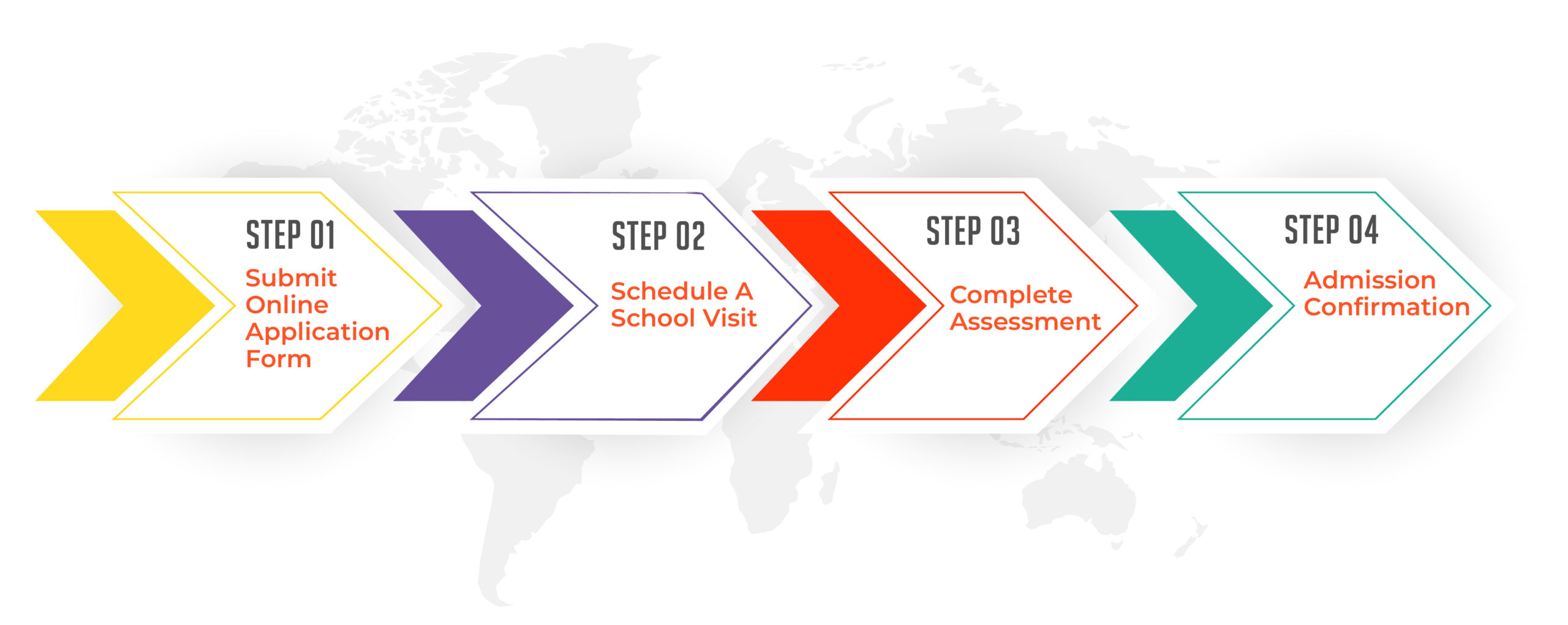
When it comes to the application process for student admission, it is crucial to pay attention to detail and ensure that you provide all the necessary information accurately. This step is essential as it is your opportunity to present yourself and your qualifications to the institution you are applying to.
Below, we will detail the steps involved in filling out an application, provide tips on how to complete it effectively, and discuss common mistakes to avoid.
Filling out an Application
- Start by carefully reading all instructions provided on the application form.
- Gather all the required documents, such as transcripts, letters of recommendation, and test scores.
- Fill out the application neatly and legibly, using black or blue ink if it is a paper application.
- Double-check all information provided, including personal details, academic history, and contact information.
- Submit the application before the deadline, ensuring that all required materials are included.
Tips for Completing an Application Effectively
- Start early to avoid rushing through the application process.
- Proofread your application multiple times to catch any errors or typos.
- Be honest and authentic in your responses, showcasing your true self to the admissions committee.
- Highlight your achievements, extracurricular activities, and unique qualities that make you stand out.
- Follow any specific guidelines provided by the institution, such as word limits for essays or required formats for documents.
Common Mistakes to Avoid
- Missing the deadline for submitting the application.
- Providing inaccurate or incomplete information on the application.
- Not following instructions or guidelines provided by the institution.
- Using cliches or generic responses that do not showcase your individuality.
- Not seeking feedback from teachers, counselors, or mentors before submitting the application.
Entrance Exams and Tests
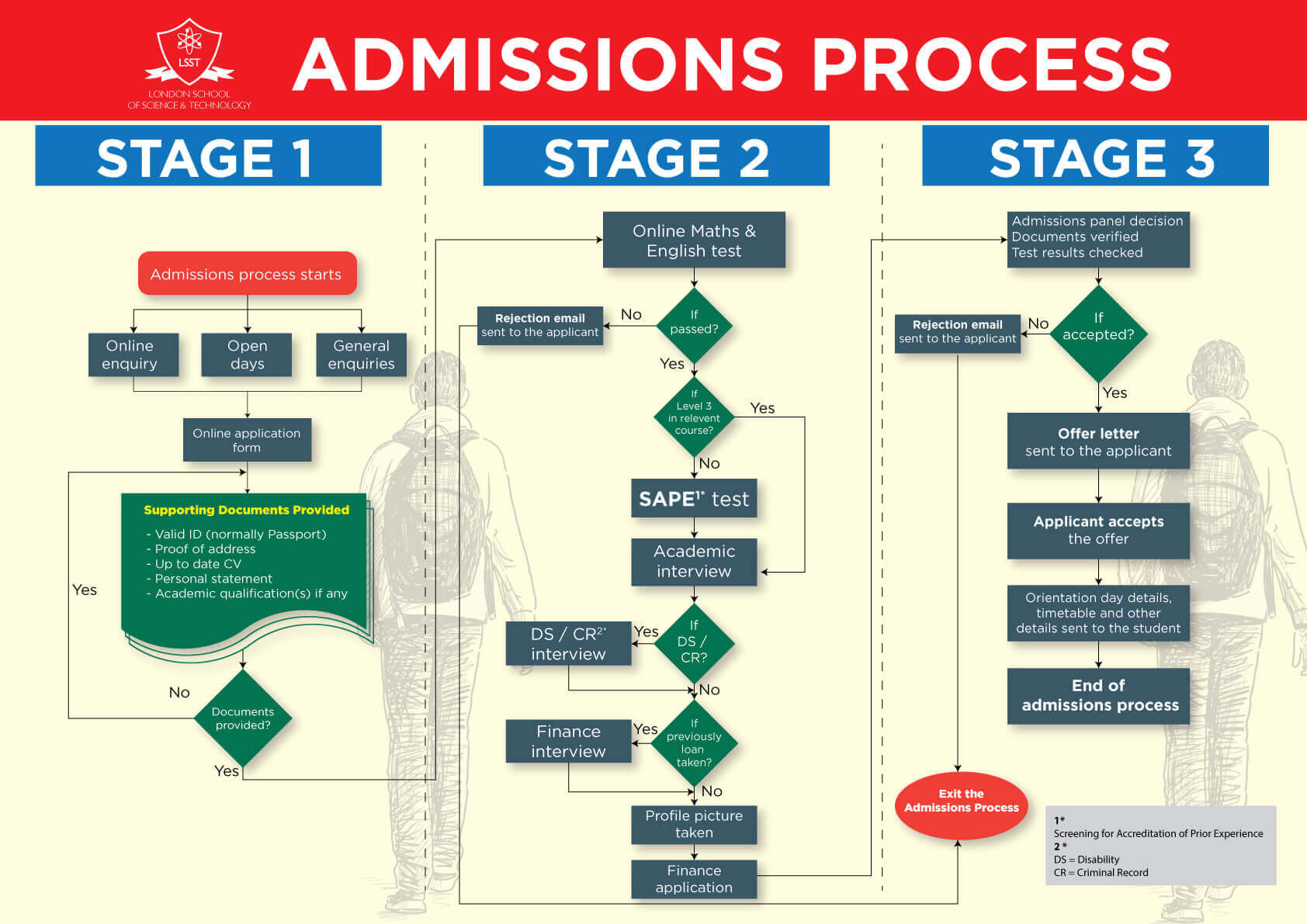
Entrance exams play a crucial role in the student admission process, as they help institutions assess the academic readiness and potential of applicants. These exams are designed to evaluate a student’s knowledge, skills, and abilities in specific subject areas, and they often serve as a key determinant for admission decisions.
Types of Entrance Exams
- SAT and ACT: Commonly used for undergraduate admissions in the United States, these exams assess a student’s proficiency in Math, Reading, and Writing.
- GRE and GMAT: Required for graduate programs, the GRE measures verbal reasoning, quantitative reasoning, analytical writing, and critical thinking skills, while the GMAT focuses on analytical writing, integrated reasoning, quantitative, and verbal skills.
- MCAT and DAT: Specific to medical and dental schools, respectively, these exams evaluate a student’s knowledge in the sciences.
- TOEFL and IELTS: International students may need to take these exams to demonstrate English language proficiency.
It is essential for students to research the specific entrance exams required by their target institutions and prepare accordingly.
Preparing for Entrance Exams
- Start early: Begin studying for entrance exams well in advance to allow ample time for preparation.
- Understand the format: Familiarize yourself with the structure, timing, and types of questions on the exam.
- Practice regularly: Utilize practice tests and study materials to improve your test-taking skills and build confidence.
- Seek help if needed: Consider enrolling in test prep courses or working with a tutor to enhance your understanding of the exam content.
Performing Well in Entrance Exams, Student Admission Process Explained: Step-by-Step Guide
- Manage your time: Pace yourself during the exam to ensure you have enough time to complete all sections.
- Read instructions carefully: Understand the directions for each section to avoid unnecessary mistakes.
- Focus on your strengths: Prioritize questions you know you can answer confidently to maximize your score.
- Stay calm and confident: Maintain a positive mindset and stay focused throughout the exam to perform to the best of your abilities.
Financial Aid and Scholarships: Student Admission Process Explained: Step-by-Step Guide
Financial aid and scholarships play a crucial role in the student admission process, as they can significantly alleviate the financial burden of pursuing higher education. These resources can make education more accessible to students from diverse backgrounds and contribute to their academic success.
Types of Financial Aid
- Grants: Financial aid that does not need to be repaid. Often based on financial need.
- Scholarships: Merit-based aid awarded for academic, athletic, or other achievements.
- Loans: Borrowed money that must be repaid with interest.
- Work-Study Programs: Part-time jobs on campus to help students finance their education.
Tips for Applying for Scholarships and Financial Aid
- Start Early: Research and apply for scholarships as soon as possible to maximize your chances.
- Check Eligibility Requirements: Make sure you meet all the criteria before applying.
- Submit a Strong Application: Write compelling essays and gather strong recommendation letters.
- Explore Local Opportunities: Don’t overlook smaller scholarships offered by local organizations or businesses.
- Stay Organized: Keep track of deadlines and requirements to avoid missing out on potential funding.
Interview Process
Interviews play a crucial role in the admission process as they allow the admission committee to get to know the applicants beyond their application materials. It provides an opportunity for students to showcase their personality, interests, and motivations, which cannot be fully captured on paper.
Significance of Interviews
- Interviews help assess a student’s communication skills, critical thinking abilities, and overall demeanor.
- It allows the admission committee to gauge the student’s fit with the institution’s values and culture.
- Interviews provide students with the chance to clarify any doubts or elaborate on specific aspects of their application.
Common Interview Questions
- “Can you tell us about yourself?”
- “Why do you want to attend this institution?”
- “What are your long-term goals?”
- “How do you plan to contribute to our campus community?”
- “Tell us about a challenging situation you faced and how you overcame it.”
Tips for Success
- Research the institution and be prepared to discuss why you are a good fit.
- Practice common interview questions to articulate your thoughts clearly and concisely.
- Dress professionally and maintain good eye contact during the interview.
- Show enthusiasm and passion for your chosen field of study.
- Ask thoughtful questions about the institution or program to demonstrate your interest.
Concluding Remarks
As we reach the end of this enlightening guide, the intricate details of the student admission process have been unraveled, offering a clear roadmap for success to aspiring students. With a blend of preparation, research, and strategic planning, the path to admission becomes more manageable and rewarding.
Clarifying Questions
What documents do students need for admission?
Students typically need transcripts, recommendation letters, test scores, and a personal statement for admission.
How important is financial aid in the admission process?
Financial aid plays a crucial role in making education accessible to students by offering support in covering tuition and other costs.
What is the significance of interviews in the admission process?
Interviews provide a platform for students to showcase their personality, skills, and passion for their chosen field of study.
