
 irwan irwan
Student Admission Process Explained Step by Step dives into the intricate process of securing admission with a detailed breakdown of each crucial stage, offering readers a well-rounded understanding of the journey ahead.
This guide aims to demystify the complexities of the admission process, equipping students with the knowledge needed to navigate through the application procedures seamlessly.
Introduction to Student Admission Process
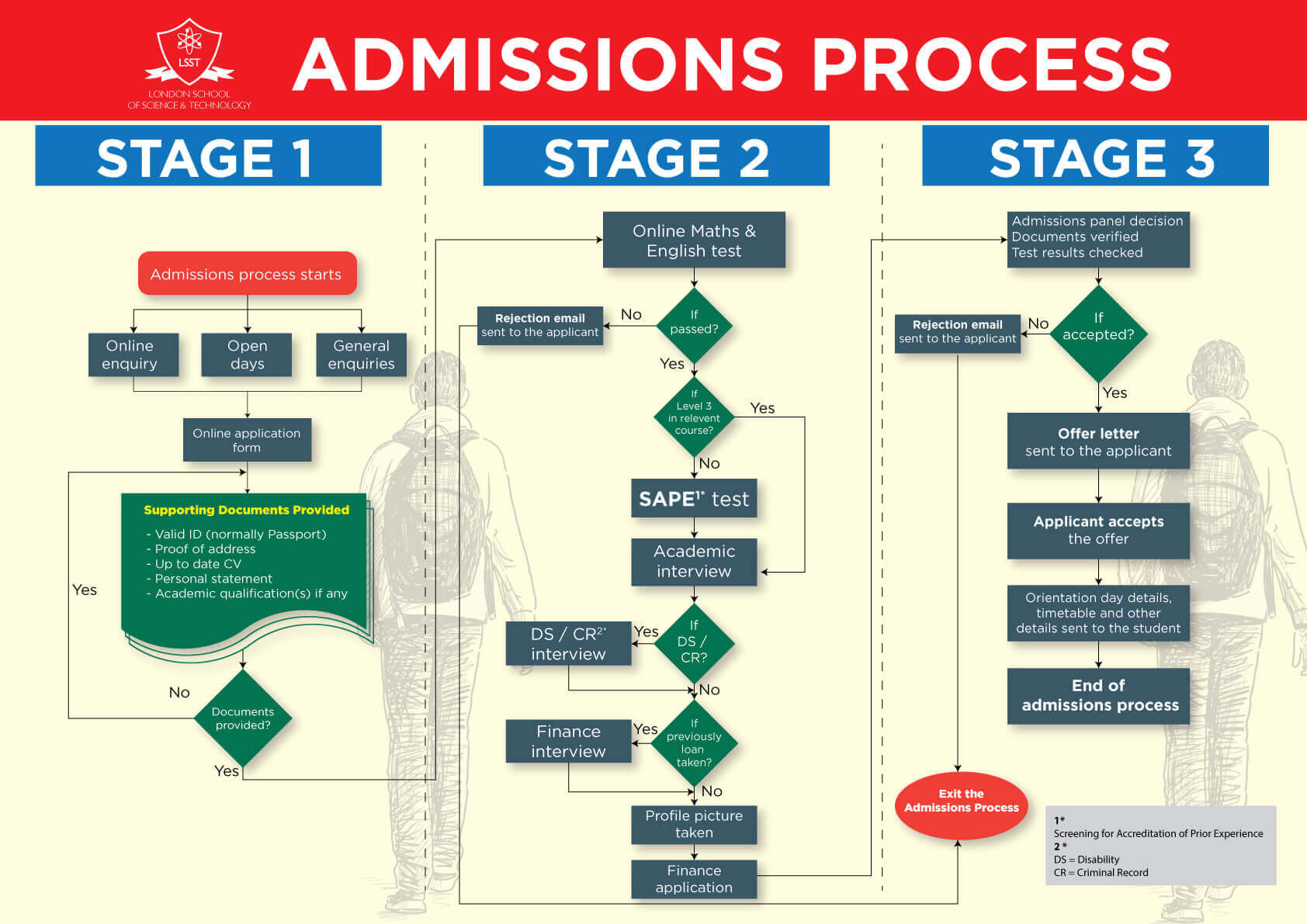
The student admission process refers to the series of steps that prospective students must follow to apply and gain entry into an educational institution. It is a crucial procedure that determines which individuals are accepted into the institution based on their qualifications, achievements, and potential.
Understanding the admission process is essential for both students and educational institutions. For students, it provides clarity on the requirements and expectations set by the institution, helping them prepare a strong application. For institutions, a well-structured admission process ensures that only qualified candidates are admitted, maintaining the quality and reputation of the institution.
Key Stages Involved in the Admission Process
- Application: Prospective students submit their applications along with necessary documents such as transcripts, recommendation letters, and essays.
- Evaluation: Admissions officers review the applications to assess the academic performance, extracurricular involvement, and personal qualities of each candidate.
- Interview: Some institutions require interviews to further evaluate the candidate’s suitability for the program.
- Decision: Based on the evaluation process, admissions officers make a decision on whether to accept, waitlist, or reject the applicant.
- Acceptance: Accepted students receive an offer of admission and must confirm their enrollment by a specified deadline.
A well-structured admission process is crucial for ensuring fairness, transparency, and efficiency in selecting the most qualified candidates. It helps institutions attract top talent, maintain academic standards, and build a diverse student body.
Preparing for Admission
When preparing for admission to a college or university, there are several important steps to follow to ensure a smooth application process.
Necessary Documents for Admission
- High school transcripts
- Standardized test scores (SAT, ACT)
- Letters of recommendation
- Personal statement or essay
- Resume (if applicable)
Criteria for Eligibility
- Minimum GPA requirements
- Standardized test score thresholds
- Extracurricular activities or community service
- Specific course prerequisites
Researching and Shortlisting Institutions
Before applying, it is essential to research and shortlist potential institutions that align with your academic and personal goals. Consider factors such as:
- Program offerings
- Location
- Campus culture
- Financial aid options
Meeting Application Deadlines
Application deadlines are crucial and missing them can jeopardize your chances of admission. Make sure to note down all deadlines and submit your application ahead of time to avoid any last-minute issues.
Application Process: Student Admission Process Explained Step By Step
In order to apply for admission to a school or university, students must go through a thorough application process that includes filling out forms, writing personal statements, obtaining letters of recommendation, and taking standardized tests.
Filling out an Application Form, Student Admission Process Explained Step by Step
When filling out an application form, make sure to provide accurate and up-to-date information. Double-check all entries to avoid any errors that could delay or jeopardize your application. Be sure to include all required documents and transcripts as specified by the institution.
Writing a Compelling Personal Statement or Essay
Your personal statement or essay is a crucial part of your application. Use this opportunity to showcase your personality, interests, and achievements. Be authentic and honest in your writing, and make sure to highlight what makes you a unique and deserving candidate.
Significance of Letters of Recommendation
Letters of recommendation provide valuable insights into your character, work ethic, and academic abilities. Choose recommenders who know you well and can speak to your strengths. Make sure to give them ample time to write the letters and provide any necessary information about your goals and aspirations.
Role of Standardized Tests
Standardized tests, such as the SAT or ACT, are often required as part of the application process. These tests help admissions committees evaluate your academic readiness and compare you to other applicants. Prepare thoroughly for these tests by studying the content and taking practice exams to ensure you achieve the best possible scores.
Financial Aid and Scholarships
Financial aid and scholarships play a crucial role in making higher education accessible to students. Here, we will delve into the process of applying for financial aid, different types of scholarships available, tips to secure scholarships, and the importance of understanding financial aid options.
Applying for Financial Aid
When it comes to applying for financial aid, students must start by completing the Free Application for Federal Student Aid (FAFSA). This form helps determine eligibility for federal, state, and institutional aid. It is essential to submit the FAFSA early to maximize aid opportunities.
Once the FAFSA is submitted, students may be required to provide additional documentation, such as tax returns or bank statements, to support their application. Financial aid packages typically include a combination of grants, loans, and work-study programs.
Types of Scholarships Available
Scholarships come in various forms, including merit-based scholarships, need-based scholarships, athletic scholarships, and specific scholarships for underrepresented groups or students pursuing certain fields of study. Some scholarships are offered by colleges and universities, while others are provided by private organizations and foundations.
It is important for students to research and apply for scholarships that align with their academic achievements, interests, and background to increase their chances of receiving financial assistance.
Tips to Increase Chances of Securing Scholarships
- Start researching and applying for scholarships early to avoid missing deadlines.
- Highlight academic achievements, extracurricular activities, community service, and leadership roles in scholarship applications.
- Customize essays and application materials to showcase unique qualities and experiences.
- Request recommendation letters from teachers, mentors, or employers who can speak to your strengths and accomplishments.
- Stay organized and keep track of scholarship requirements, deadlines, and application submissions.
Importance of Understanding Financial Aid Options
Understanding financial aid options is crucial for making informed decisions about college affordability. By knowing the types of aid available, eligibility criteria, and application processes, students can effectively plan for their higher education expenses and avoid excessive student loan debt.
Additionally, being aware of financial aid options allows students to explore various funding sources and opportunities that can support their academic goals and reduce the financial burden of pursuing a college degree.
Interview Process
When applying for college or university, the interview process is a crucial step in the admission process. It allows the admissions committee to get to know the applicant beyond their application and test scores.
Common Interview Questions
- Can you tell us about yourself and your academic interests?
- What motivates you to pursue higher education?
- How do you see yourself contributing to our campus community?
- Can you provide an example of a challenge you’ve overcome and how it has shaped you?
Tips for Preparation
- Research the institution and program you are applying to.
- Practice answering common interview questions with a friend or family member.
- Dress professionally and arrive on time for the interview.
- Prepare questions to ask the interviewer about the school or program.
Importance of Confidence
Presenting oneself confidently during an interview is key to making a positive impression on the admissions committee. Confidence shows that you believe in yourself and your abilities, which can help showcase your potential as a student.
Role of Interview in Admission Process
The interview allows the admissions committee to assess your communication skills, personality, and fit for the institution. It provides a more holistic view of the applicant and can influence the final admission decision.
Acceptance and Enrollment

Upon successfully completing the application process, the next crucial step in the student admission process is receiving an acceptance letter from the educational institution. This letter confirms the student’s admission and Artikels the next steps for enrollment.
Receiving an Acceptance Letter
- After submitting all required documents and completing any necessary interviews, the institution will review the application.
- If the student meets the admission criteria, they will receive an official acceptance letter either electronically or through mail.
- The acceptance letter will typically include details such as the program of study, start date, and any conditions that need to be met before enrollment.
Confirming Enrollment
- Upon receiving the acceptance letter, the student is required to confirm their enrollment by a specified deadline.
- This usually involves submitting a confirmation form along with any required deposits or fees to secure their spot in the program.
- Failure to confirm enrollment by the deadline may result in the offer being rescinded.
Preparing for Transition
- As the student prepares to transition to a new academic environment, it is essential to gather information about the institution, such as campus facilities, housing options, and academic resources.
- Connecting with current students or alumni can provide valuable insights into the student experience and help ease the transition process.
- Additionally, familiarizing oneself with the academic calendar, course requirements, and support services available can help in a smooth transition.
Significance of Orientation Programs
- Orientation programs are designed to help new students acclimate to the academic and social environment of the institution.
- These programs typically include campus tours, information sessions, academic advising, and opportunities to meet faculty and staff.
- Orientation programs also provide a chance for new students to connect with their peers, build relationships, and establish a support network within the institution.
Final Review
In conclusion, Student Admission Process Explained Step by Step serves as a valuable resource for prospective students, shedding light on the nuances of admissions and empowering individuals to embark on their academic endeavors with confidence.
Frequently Asked Questions
What documents are required for admission?
Typically, documents like transcripts, letters of recommendation, and standardized test scores are necessary for the admission process.
How can I increase my chances of securing scholarships?
To boost your chances of securing scholarships, consider maintaining a strong academic record, actively participating in extracurricular activities, and submitting compelling essays.
What role does the interview play in the admission process?
The interview allows admissions officers to assess your personality, communication skills, and fit for the institution, making it a crucial part of the overall admission evaluation.
