
 irwan irwan
Student Admission Requirements Every Applicant Must Know takes center stage in the competitive world of college admissions. Understanding these crucial guidelines is paramount for aspiring students looking to secure a spot at their dream institution.
Academic performance, extracurricular activities, letters of recommendation, personal statements, and interviews play vital roles in the admission process, shaping the future of countless applicants.
Overview of Student Admission Requirements: Student Admission Requirements Every Applicant Must Know
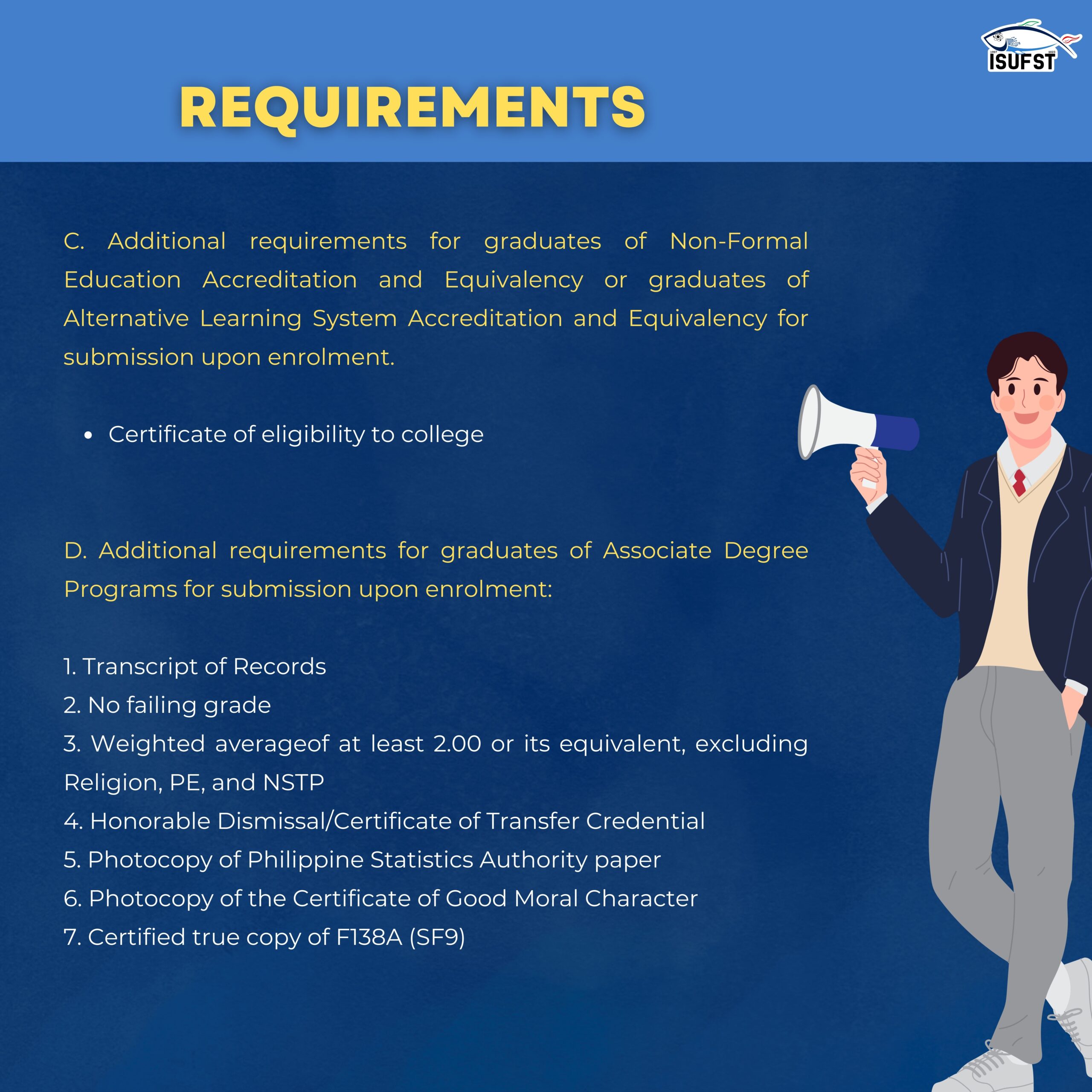
Student admission requirements refer to the criteria and qualifications that individuals must meet in order to be accepted into a particular educational institution. These requirements typically include academic prerequisites, standardized test scores, letters of recommendation, personal statements, and sometimes interviews.It is essential for every applicant to thoroughly understand these requirements to ensure they are fully prepared and meet all necessary qualifications before applying.
Failing to meet certain admission requirements can result in rejection, wasting time and effort on an application that was doomed from the start.Meeting these requirements is crucial for successful admission as they serve as a benchmark for the institution to assess the applicant’s readiness and potential for academic success.
Adhering to these requirements demonstrates a candidate’s commitment, capability, and suitability for the program, increasing their chances of being accepted.
Academic Requirements

In the college admissions process, academic requirements play a crucial role in determining whether a student is a good fit for a particular institution or program. These requirements typically include a combination of GPA, standardized test scores, and completion of prerequisite courses.
Common Academic Criteria
- Grade Point Average (GPA): Most colleges and universities require a minimum GPA for admission. This serves as a measure of a student’s academic performance throughout high school.
- Standardized Test Scores: Institutions often consider scores from exams like the SAT or ACT as part of the admissions process. These scores help provide a standardized comparison of students from different educational backgrounds.
- Prerequisite Courses: Some programs or majors may require students to complete specific courses in high school, such as advanced math or science classes, to demonstrate readiness for the academic rigor of the program.
Variability in Academic Requirements
It is important to note that academic requirements can vary significantly between different institutions or programs. While some colleges may place a heavy emphasis on GPA and test scores, others may prioritize a student’s performance in specific prerequisite courses or extracurricular activities.
Additionally, the competitiveness of the program or school can also influence the academic criteria required for admission.
Importance of Academic Performance
Academic performance is a key factor in the admission process as it helps admissions committees assess a student’s ability to succeed in a college environment. Strong academic performance demonstrates a student’s commitment to learning and their potential to excel in their chosen field of study.
Adhering to academic requirements can also help students stand out in the competitive admissions process and increase their chances of acceptance.
Extracurricular Activities and Achievements
Extracurricular activities play a crucial role in the admission process, allowing applicants to showcase their skills and interests beyond academics. These activities demonstrate a well-rounded personality and a commitment to personal growth and development.
Importance of Extracurricular Activities
Participation in extracurricular activities such as sports, arts, community service, or leadership roles can significantly strengthen an applicant’s profile. These activities provide a glimpse into the applicant’s passions, values, and abilities that may not be reflected in their academic achievements.
- Engagement in sports demonstrates qualities such as teamwork, discipline, and perseverance.
- Involvement in arts showcases creativity, critical thinking, and expression.
- Community service highlights a commitment to serving others and making a positive impact.
- Leadership roles exhibit qualities of responsibility, decision-making, and initiative.
Showcasing Skills and Interests, Student Admission Requirements Every Applicant Must Know
Extracurricular activities are an avenue for applicants to demonstrate their unique strengths and interests. Admissions committees look for well-rounded individuals who can contribute to the diverse campus community beyond their academic pursuits.
- Participation in multiple activities shows versatility and a willingness to explore different areas.
- Awards or recognition in specific activities indicate a high level of skill and dedication.
- Long-term commitment to a particular activity reflects passion and perseverance.
Letters of Recommendation
Letters of recommendation play a crucial role in the admission process as they provide insight into an applicant’s character, work ethic, and potential for success in a university or college setting. These letters are usually written by teachers, counselors, employers, or mentors who can attest to the applicant’s abilities and achievements.
Choosing the Right Recommenders and Requesting Recommendations
When selecting recommenders, it is important to choose individuals who know you well and can speak to your strengths and accomplishments. Consider asking teachers or supervisors who have seen you excel academically or professionally. It is also essential to provide recommenders with relevant information about your academic and extracurricular achievements to help them craft a compelling letter.
- Choose recommenders who can provide specific examples of your skills and accomplishments.
- Request recommendations well in advance to give recommenders enough time to write a thoughtful letter.
- Provide recommenders with a copy of your resume or CV to help them highlight your achievements.
- Follow up with recommenders to ensure they submit their letters before the deadline.
Impact of Strong Letters of Recommendation
Strong letters of recommendation can significantly enhance an applicant’s profile by providing admissions committees with valuable insights into the applicant’s character and potential. These letters can help differentiate an applicant from other candidates and showcase their unique qualities and accomplishments.
Well-crafted letters of recommendation can provide a more holistic view of an applicant, highlighting their strengths and abilities beyond what is reflected in their academic records.
Personal Statements and Essays
Personal statements and essays play a crucial role in the college application process. These written components provide applicants with the opportunity to showcase their unique personalities, experiences, and aspirations to the admissions committee. Here, we will discuss the importance of personal statements, guidelines for crafting a compelling essay, and how these statements help admissions committees gain insight into an applicant’s motivations.
Crafting a Compelling Personal Statement
- Be authentic: Share genuine experiences, thoughts, and emotions to create a personal connection with the reader.
- Showcase your strengths: Highlight your achievements, skills, and qualities that make you a strong candidate for the program.
- Stay focused: Stick to the prompt and avoid including irrelevant information that does not add value to your application.
- Use vivid language: Paint a vivid picture with your words to engage the reader and make your essay memorable.
- Seek feedback: Ask for feedback from teachers, mentors, or peers to ensure your essay is clear, impactful, and error-free.
Understanding Applicant’s Motivations and Aspirations
Personal statements provide admissions committees with valuable insights into an applicant’s motivations, aspirations, and goals. By reading these essays, committee members can understand the factors that have shaped the applicant’s academic journey, the challenges they have overcome, and their future aspirations.
This information helps the committee assess whether the applicant is a good fit for the program and has the potential to succeed in their academic and personal endeavors.
Interviews and Portfolio Submissions
When it comes to the student admission process, interviews and portfolio submissions play a crucial role in assessing an applicant’s fit for the institution or program. These interactions provide a deeper insight into the candidate beyond what can be gleaned from academic records and written statements.
Interviews
Interviews offer a unique opportunity for admissions committees to gauge a candidate’s personality, communication skills, and overall suitability for the program. It allows applicants to showcase their passion, motivation, and potential contributions to the academic community.
- Prepare for interviews by researching the institution, understanding the program requirements, and practicing common interview questions.
- Highlight your strengths, experiences, and goals during the interview to make a lasting impression on the interviewers.
- Be authentic, confident, and articulate in your responses to demonstrate your readiness for the program.
Portfolio Submissions
Portfolios are often required for programs that focus on creative fields such as art, design, or architecture. They allow applicants to showcase their skills, creativity, and potential through a curated collection of their work.
- Assemble your portfolio with a variety of your best work that demonstrates your technical abilities, creativity, and personal style.
- Include a range of projects that showcase your versatility, innovation, and growth as an artist or designer.
- Provide context for each piece in your portfolio to help the reviewers understand your thought process, inspiration, and artistic development.
Summary
In conclusion, grasping the intricacies of Student Admission Requirements Every Applicant Must Know is the key to unlocking academic success. By meticulously following these guidelines, applicants can enhance their profiles and stand out in the competitive landscape of college admissions.
Q&A
What are some common academic requirements?
Common academic requirements include GPA, standardized test scores, and prerequisite courses.
How do extracurricular activities impact the admission process?
Extracurricular activities showcase an applicant’s skills and interests beyond academics, enhancing their application.
What is the purpose of letters of recommendation?
Letters of recommendation provide insight into an applicant’s character and strengths, influencing their profile positively.
Why are personal statements important in the application?
Personal statements allow applicants to express their motivations and aspirations, helping admissions committees understand them better.
How can applicants prepare for interviews?
Applicants can prepare for interviews by researching the institution, practicing common questions, and showcasing their fit for the program.
